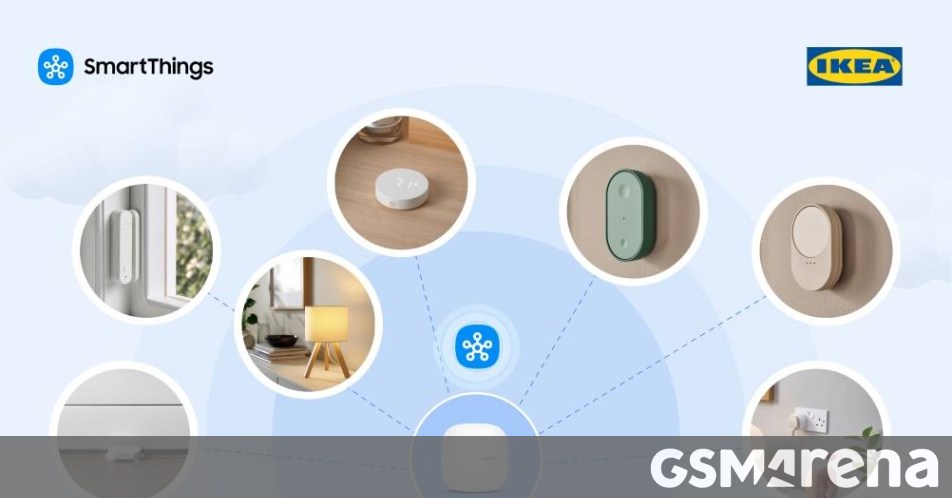
Samsung announced that IKEA smart devices can now connect directly to a SmartThings hub, eliminating the need for a separate IKEA hub and simplifying setup for consumers. The integration covers 25 compatible IKEA devices, including remotes, bulbs, plugs and environmental sensors. The update is enabled by the Matter protocol over Thread, reinforcing cross-brand interoperability in the smart home ecosystem.
This is less a consumer-electronics headline than a distribution win for Samsung’s SmartThings platform and for the Matter standard. The meaningful second-order effect is that setup friction falls for the long tail of smart-home users, which tends to matter more for adoption than device specs; lower friction usually lifts attach rates for lighting, sensors, and automations where habitual use drives retention. The ecosystem beneficiary is Samsung’s platform layer, while the competitive pressure lands on rival hubs and proprietary ecosystems that still require multiple gateways or brittle integrations.
The near-term economic impact is probably modest, but the strategic implication is larger: interoperability shifts value from device-level lock-in to platform orchestration. That should favor companies with broad home-device portfolios, cloud orchestration, and installed base leverage, while commoditizing point products over time. The likely laggards are smaller smart-home vendors that relied on their own app/hub as a moat; if users can pair across brands with one controller, pricing power erodes and churn rises.
For Google, the read-through is indirect but important: every successful Matter integration reinforces the thesis that smart-home growth is becoming protocol-led rather than ecosystem-led. That reduces the risk that home automation fragments into closed gardens, and it increases the optionality of assistant/voice layers that sit above device control. The main catalyst to watch is whether this drives measurable re-acceleration in device activations and automation usage over the next 1-2 quarters; without usage growth, interoperability is just a nicer onboarding flow.
Contrarian view: the market may be overestimating how quickly interoperability translates into monetization. Consumers often buy a hub once and then stop expanding the system, so the revenue uplift may be more about retention and ecosystem stickiness than a step-change in device sales. The real payoff likely arrives over years, not weeks, unless Samsung uses this compatibility to bundle services or push additional connected-home hardware into the installed base.
AI-powered research, real-time alerts, and portfolio analytics for institutional investors.
Request DemoOverall Sentiment
mildly positive
Sentiment Score
0.20
Ticker Sentiment
