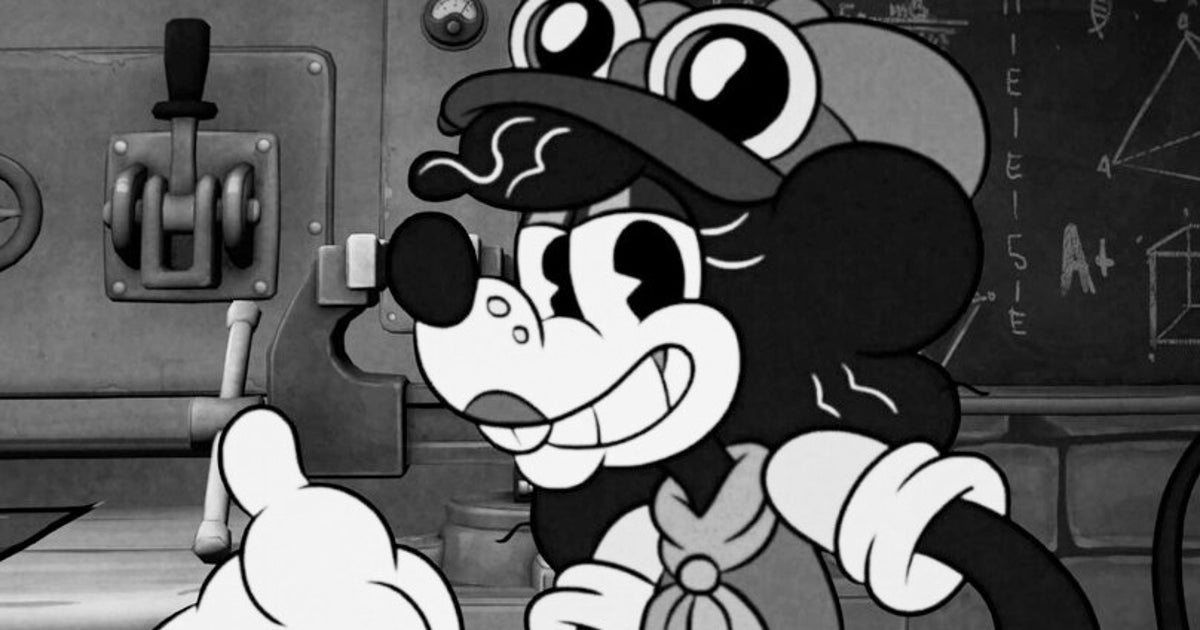
Mouse P.I. For Hire has sold roughly 730,000 copies in less than a month and generated an estimated $21.4 million since its April launch. Publisher PlaySide said the game has now recouped all milestone payment, publishing, and marketing costs, indicating a commercially successful debut. The result is a positive read-through for the game's publisher and developer, though the broader market impact should be limited.
This is an important signal for the interactive entertainment supply chain because it suggests a mid-budget, original IP title can still break out without relying on sequel economics or live-service retention. The second-order winner is the publisher/developer ecosystem that sits between AAA and indie: if this becomes a repeatable template, capital will rotate toward studios with strong art direction and low-to-mid six-figure user-acquisition efficiency rather than blockbuster spenders chasing marginal franchise extensions.
The key read-through is not the absolute sales number, but the speed of monetization across console storefronts. That implies platform algorithms and wishlists are still powerful demand multipliers, especially for titles with strong visual identity and streamer-friendly novelty. If discoverability is the real bottleneck, then storefront prominence becomes a quasi-distribution moat, which benefits publishers with better first-party relationships and merchandising/marketing execution more than raw content creators.
The main risk is that this is a one-hit launch spike rather than durable franchise value. In the next 1-3 months, the stock reaction can overstate lifetime value if engagement decays sharply after the initial burst and if discounting is required to sustain momentum. The contrarian view is that “successful premium indie” may be more copyable than it looks, which could raise supply and pressure differentiation; in that case, only studios with distinct IP and high conversion into sequels, DLC, or transmedia would retain premium valuations.
For broader media names, the bullish implication is selective: content businesses that can produce culturally sticky, low-capex hits should re-rate relative to scale-first incumbents. But the market should be careful not to extrapolate this into a blanket positive for the whole gaming complex, because the winner here is distribution efficiency plus art direction, not necessarily higher overall industry demand.
AI-powered research, real-time alerts, and portfolio analytics for institutional investors.
Request DemoOverall Sentiment
strongly positive
Sentiment Score
0.78
