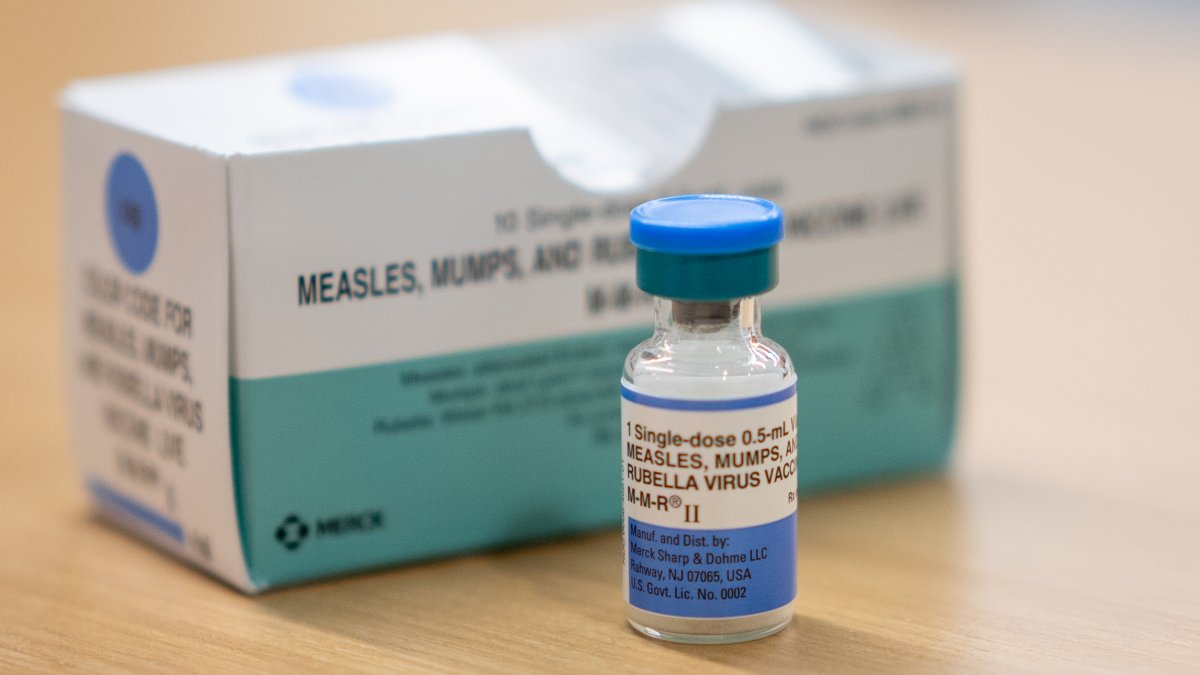
A Santa Clara County resident confirmed with measles traveled through San Francisco International Airport and visited two San Jose businesses while infectious, triggering a public exposure warning. Health officials said the adult likely contracted measles during international travel and reminded the public that MMR vaccination is the best protection. The article is primarily a public health alert with limited direct market impact.
This is a low-probability, high-noise public health event, but the market impact is asymmetric because the first-order damage is not medical severity; it is behavioral spillover. Even a single infectious traveler passing through a major air hub can lift short-dated demand for masks, rapid tests, and certain OTC symptom treatments, while creating a small but immediate drag on airport traffic and discretionary footfall near exposure sites. The key second-order effect is that investors often over-rotate on headline contagion risk before case counts matter, which creates tradable dispersion between travel-linked names and defensives.
The more interesting medium-term setup is in healthcare supply chains, not airlines. If local health departments expand contact tracing or public messaging, near-term utilization can shift toward pediatric visits, urgent care, and immunization services, but that demand is usually fleeting unless there is evidence of broader community spread. Vaccine-related beneficiaries are limited because MMR is a mature product with low elasticity; the real beneficiaries are service layers and inventory channels that can monetize precautionary behavior within days, not months.
Contrarianly, the move is probably underappreciated on the downside for travel and venue operators if the news sequence broadens into additional exposure notices over the next 1-3 weeks. However, absent secondary cases, this should fade quickly and is more likely to present as a tactical volatility event than a fundamental earnings issue. The best risk/reward is to fade any knee-jerk selloff in quality travel names only after confirming no follow-on case cluster, while leaning into short-lived demand spikes in consumer health and testing ecosystems.
AI-powered research, real-time alerts, and portfolio analytics for institutional investors.
Request DemoOverall Sentiment
moderately negative
Sentiment Score
-0.25
