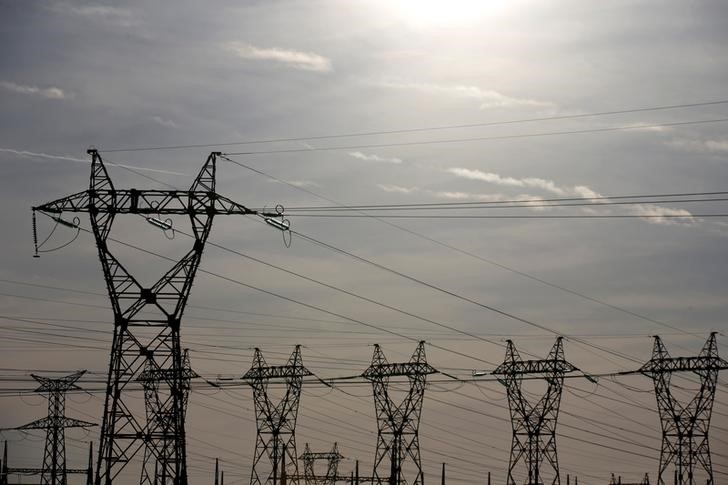
Jefferies reiterated a Buy on GE Vernova with a $1,210 price target, citing strong gas turbine demand, 2Q26 power orders of about $14.2 billion, and pricing expected to run 10-20 points above 4Q. The firm expects GE Vernova to reach its 110 GW order and slot backlog target by year-end, with backlog potentially extending into 2031 and Electrification offering additional upside from data center demand and the Prolec acquisition. Raymond James also initiated coverage at Market Perform, but the overall analyst tone remains constructive.
The market is still underestimating how far the gas-turbine cycle can run because the bottleneck has shifted from demand visibility to industrial capacity. That creates a favorable setup for the few suppliers with multi-year slot control: pricing power should persist not just through the next couple of quarters, but through the time it takes competitors to add meaningful throughput. The bigger second-order implication is that this is no longer a simple utility capex trade; it is an infrastructure scarcity trade with duration, where order-book conversion becomes the key metric and not headline demand growth.
The underappreciated beneficiary is the electrification ecosystem around data centers. If transformer lead times remain tight, revenue can re-rate faster than the market expects because customers will pay up to secure interconnection and backup power equipment rather than delay compute rollout. That also argues for a broader read-through to industrials tied to grid buildout, but the winner set is narrow: names with both manufacturing leverage and pricing discipline should outperform, while pure-play equipment suppliers without backlog visibility risk being left behind.
The main risk is not weaker end-demand; it is policy or execution risk that interrupts the earnings torque before the backlog translates into realized margins. Any sign of turbine pricing inflection, order slippage, or a faster-than-expected normalization in lead times would hit the multiple first and the estimates second. In that sense, the next 1-2 quarters are about confirmation, while the 12-24 month debate is whether the market is extrapolating an oligopoly structure that can actually hold through 2030.
Consensus may be missing that the stock is increasingly levered to scarcity value rather than cyclical growth. If that’s right, pullbacks should be bought only when order data remains intact; if not, the setup becomes vulnerable to a sharp de-rating once buyers conclude the backlog is simply forward demand pulled in from future quarters.
AI-powered research, real-time alerts, and portfolio analytics for institutional investors.
Request DemoOverall Sentiment
strongly positive
Sentiment Score
0.70
Ticker Sentiment
