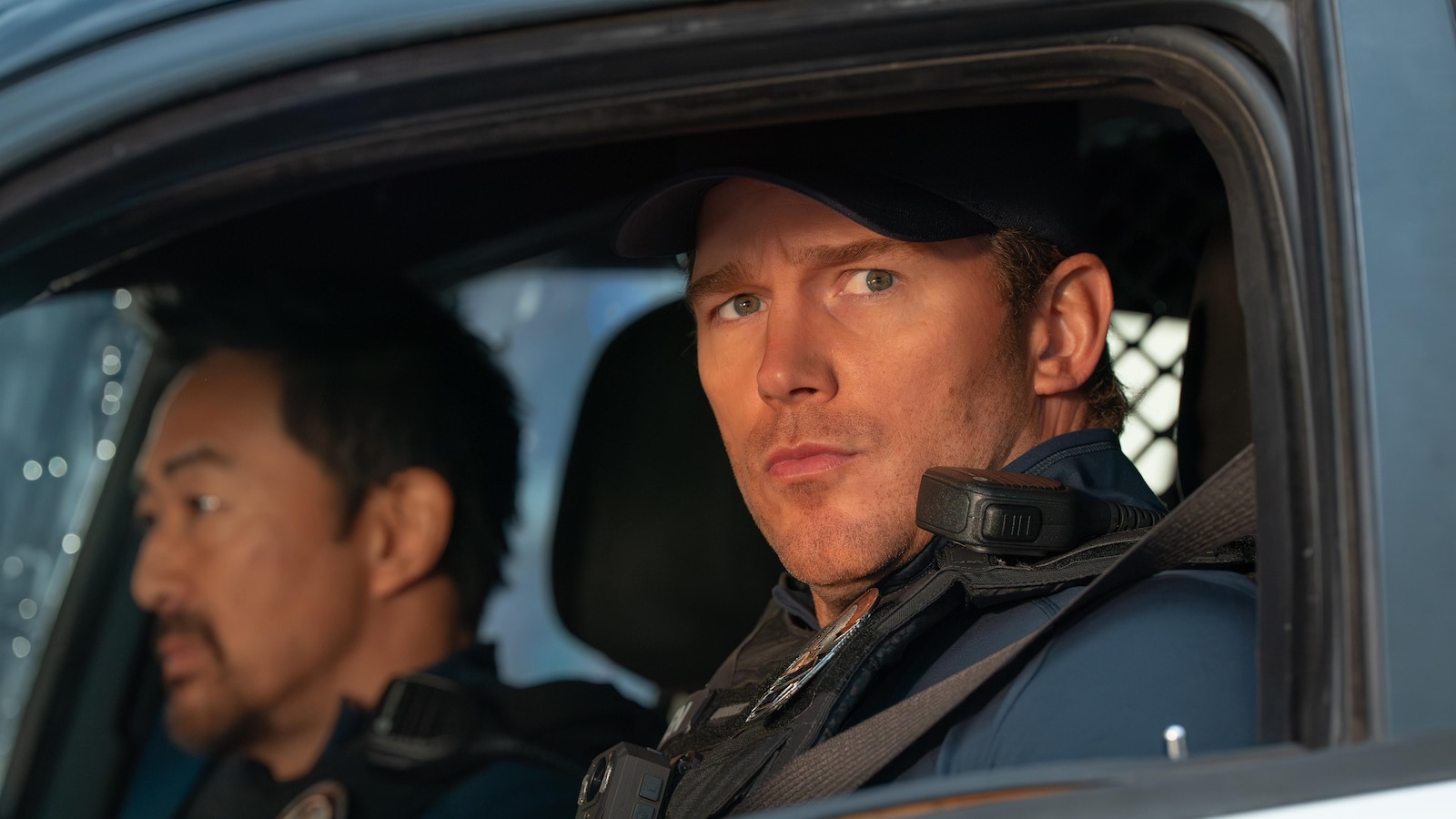
Amazon MGM's sci-fi thriller Mercy opened at No. 1 with an estimated $11.2M in North America on a snow-blanketed weekend that closed roughly 250 theaters and placed over 140M Americans under storm warnings, producing Hollywood's quietest weekend of the year. Mercy (production budget $60M) arrived to weak critical and audience reception (20% Rotten Tomatoes; B- CinemaScore) while Avatar: Fire and Ash slid to $7M domestically and added $28.1M internationally in its sixth weekend (domestic total $378.5M; over $1B internationally). Specialty and Oscar-nominated titles showed mixed durability (Hamnet $2M weekend; $17.6M domestic; Marty Supreme $3.5M, $86.2M domestic, $100M+ global), while several newer releases underperformed, underscoring weather-driven demand weakness and uneven box-office trajectories for studios and theater operators.
Market structure: Weekend results concentrate value with global IP owners and punish small-studio theatrical plays. Winners: franchise owners with strong international windows (e.g., DIS-linked tentpoles, Amazon MGM-type IP); losers: single-release dependent studios and exhibitors showing steep second-weekend drop-offs (Sony’s studio slate under pressure). Demand shock was weather-amplified but exposes lower pricing power for mid-budget theatrical-only titles; expect equity vol to rise ~10–25% in small-cap entertainment names and credit spreads on boutique studio debt to widen 25–75 bps near-term.
Risk assessment: Immediate (days) risk is weather and box office reporting noise; short-term (weeks) risk is stacked releases and Oscar outcomes that can reallocate scarce screens; long-term (quarters) risk is structural streaming/windowing shifts that compress theatrical tails. Tail events include a severe international market disruption (China/EM blackout) or a large studio slate flop that forces reserve charges; hidden dependencies include streaming licensing cadence, FX exposure for international box office, and seasonal advertising demand. Key catalysts: Oscar winners (next 30 days), Spring–Summer release schedule (60–120 days), and quarterly earnings that update studio guidance.
Trade implications: Tactical: favor diversified global media with strong streaming/IP and international box-office exposure vs. pure theatrical players. Expect to use options to express asymmetry rather than outright equity size—buy protective puts on studio exposure and call or equity exposure to global franchise owners. Rotate 50–150 bps from exhibitors/indie content into defensive consumer staples or large-cap streaming over the next 2–6 weeks to reduce cyclicality.
Contrarian angles: Market is likely overstating single-weekend noise — historical parallels (post-storm weekends 2008–2018) show rapid rebound for tentpoles while mid-tail titles fade. Sony’s broader gaming/electronics P&L cushions studio weakness; a concentrated, sized short is appropriate but not a full equity collapse bet. Watch for an underestimated upside catalyst: an Oscar-driven specialty title breakout could reflate small-studio valuations within 30–60 days.
AI-powered research, real-time alerts, and portfolio analytics for institutional investors.
Request DemoOverall Sentiment
mildly negative
Sentiment Score
-0.25
Ticker Sentiment
