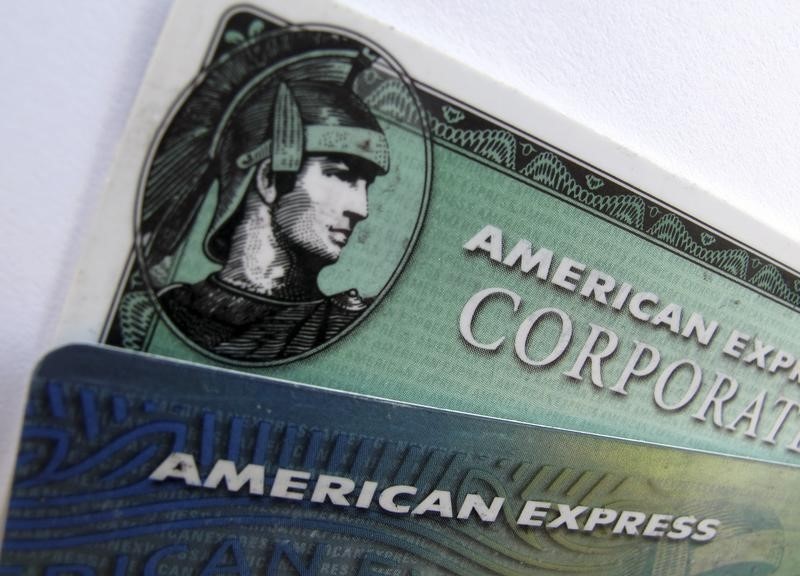
American Express reported U.S. Consumer Card Member loans of $95.1B in Feb (down from $97.2B in Jan and $100.2B in Dec), 30-day delinquencies at 1.4%, and a principal net write-off rate of 2.0% in Feb. U.S. Small Business loans were $31.3B (combined card loans $126.4B) and the AmEx Credit Account Master Trust ending principal was $24.4B in Feb with an annualized default rate net of recoveries of 1.3% and $0.2B 30+ day delinquencies. BofA reiterated a Buy with a $420 price target while BTIG cut its target to $285 (from $328) and maintained a Sell; Bank of America reported U.S. credit card spending +3.8% YoY in Feb and Jefferies expects rising net charge-offs but improving delinquencies, leaving mixed near-term implications for AXP.
AmEx’s data cadence and recent marketing partnerships point to a bifurcated strategy: protect premium wallet share via experiential benefits while leaning on securitization and funding plumbing to keep return metrics intact. That combination reduces near-term volatility in measured delinquencies but raises sensitivity to ABS spread moves and unsecured funding costs; funding shocks would compress returns before credit deterioration shows up in charge-offs.
Fintech entrants targeting premium customers change the margin calculus — incumbents can defend via differentiated merchant relationships and high-margin travel-related spend, but must either accept higher acquisition costs or compress reward economics. The net effect is a likely modest erosion of lifetime value per acquired cardholder over the next 12–24 months unless incumbents tighten underwriting or raise fees.
Macro is the dominant second-order lever: a modest slowdown or rising unemployment would show up first in utilization and NCOs, with a 6–12 month lag versus delinquencies. Watch ABS issuance cadence, ABS spreads, and AmEx’s mix between held-for-investment vs sold loans as leading indicators of funding stress.
Consensus is focused on headline spend and premium competition; investors underweight the funding-friction channel and the optionality created by venue partnerships to monetize transitory travel spend. That creates tradeable asymmetry where market moves on credit headlines could overreact to temporary noise while missing durable revenue re-acceleration from experiential monetization.
AI-powered research, real-time alerts, and portfolio analytics for institutional investors.
Request DemoOverall Sentiment
mixed
Sentiment Score
0.00
Ticker Sentiment
