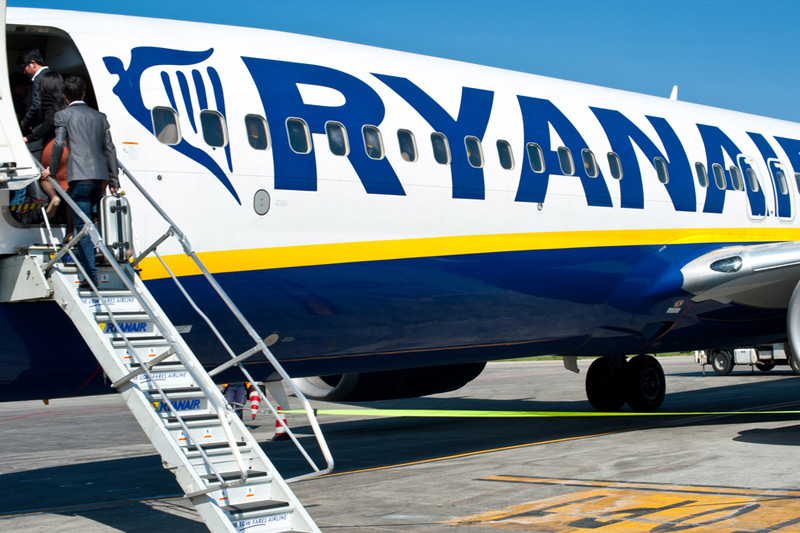
The UK Competition and Markets Authority has opened an investigation into Ryanair’s mandatory family seat fees, which typically cost around £8 each way and apply to both outbound and return flights. The probe will examine whether the charge is unfair under consumer law and whether Ryanair is properly showing total pricing during booking. The case is early-stage and no conclusions have been reached, but it adds regulatory overhang to Ryanair’s consumer fee model.
This is less about the headline legal risk and more about margin architecture. Ryanair’s model depends on monetizing ancillary friction points; if a mandatory family-seat charge is forced to be disclosed upfront or waived, the economic hit is small per booking but meaningful in aggregate because it targets a high-frequency, price-sensitive customer segment that also tends to buy bags, priority boarding, and peak-season flights. The bigger second-order effect is competitive: if the CMA forces a remedy, UK low-cost peers may face pressure to simplify fee presentation, narrowing one of Ryanair’s key behavioral advantages versus legacy carriers.
The real market risk is not a single fine but a precedent. A ruling that the fee is “unfair” could spill into other unbundled charges across the industry, increasing compliance costs and reducing conversion at the point of sale; this would be most painful in the next 6-12 months when booking-engine redesigns and remediation hit. The probability-weighted downside is limited by Ryanair’s scale and cost base, but the stock can de-rate if investors start applying a higher legal/consumer-protection discount to ancillary-heavy models across European travel.
Catalyst timing matters: the investigation itself is a slow-moving overhang, but the first update in ~6 months can reprice expectations if the CMA signals intent to challenge contract structure rather than just disclosure. Near term, the best outcome for Ryanair is a narrow remedy with minimal P&L impact; worst case is forced refund/rewire of the booking flow, which would pressure ancillary yield and conversion more than headline revenue. The consensus may be overestimating direct financial damage and underestimating the signaling effect to regulators in other jurisdictions, especially where consumer-law enforcement is becoming more aggressive.
On balance, this looks like a tactical fade on regulatory overhang rather than a structural short, unless there’s evidence the issue broadens beyond family seating. Any weakness should be viewed as a volatility event rather than a full thesis break, but the setup favors relative shorts against other European travel names with cleaner fee optics.
AI-powered research, real-time alerts, and portfolio analytics for institutional investors.
Request DemoOverall Sentiment
mildly negative
Sentiment Score
-0.15
Ticker Sentiment
