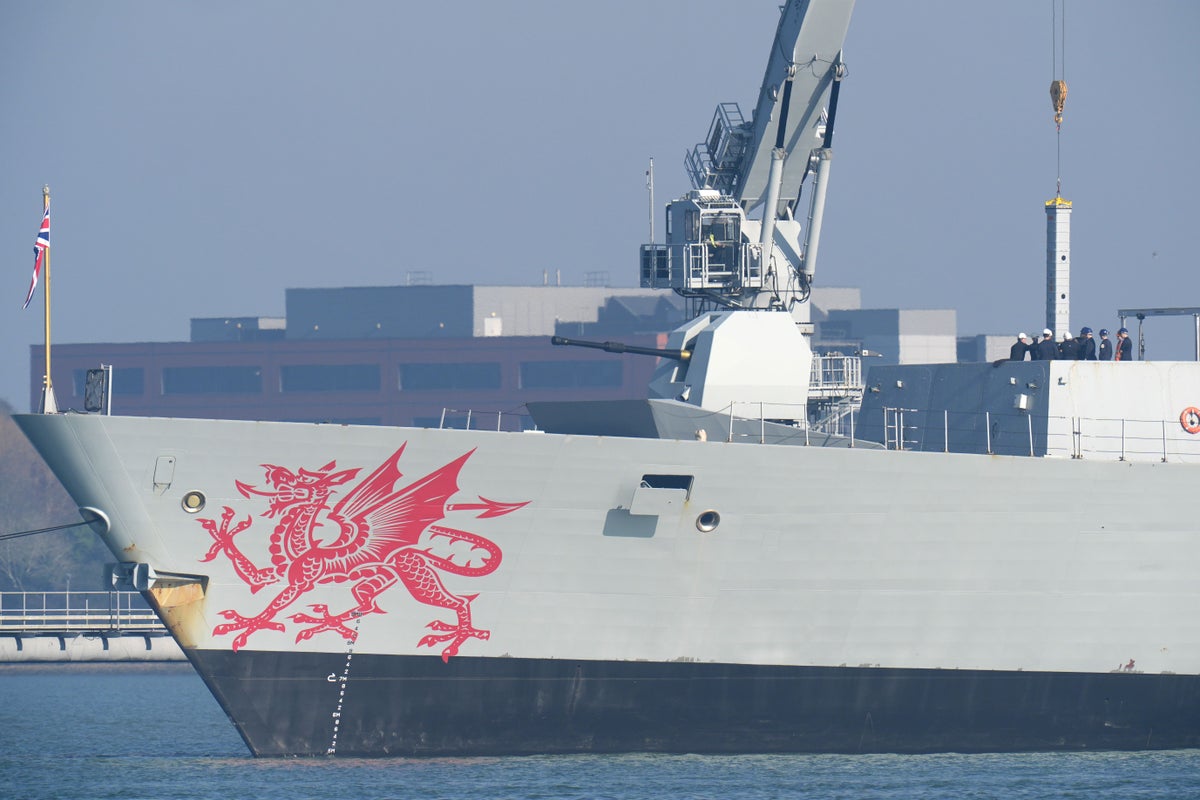
Iran warned British and French warships deployed to the Strait of Hormuz that they would face a “decisive and immediate response,” escalating tensions around a route that carries about 20% of global oil and LNG flows. The UK is sending HMS Dragon to the Middle East for a potential shipping protection mission, while Iran also threatened tighter restrictions on vessels complying with US sanctions. The rhetoric raises the risk of disruption to Gulf shipping and a broader energy-price shock.
This is less an oil headline than a pricing-of-tail-risk event. The market should treat Hormuz disruption as a convexity shock: even a small probability of a short-lived interruption can widen crude, LNG, tanker, and insurance spreads far more than the eventual realized physical loss. The first-order winners are upstream producers and shipping/war-risk underwriters; the second-order winners are any asset class that benefits from higher inflation breakevens and a later, more dovish central-bank path if growth is hit first.
The more interesting second-order effect is on non-commodity logistics. European refiners, Asian LNG importers, and container lines with exposure to Gulf routing face a margin squeeze through both fuel costs and rerouting/insurance expenses, while defense contractors gain not only on regional replenishment demand but also on accelerated European maritime security budgets. If tensions persist for weeks, the market starts to discount inventory hoarding and precautionary freight booking, which can tighten physical markets even without a major outage.
The near-term catalyst set is binary: a single verified incident in the Strait, a change in US/UK naval posture, or any sign that insurers are repricing Gulf coverage. The contrarian view is that the base case may still be managed containment—authorities may prefer symbolic escalation over materially choking flows because a full closure would damage Iran’s own bargaining position and revenue optionality. That means the best risk/reward is in volatility expression rather than outright directional beta, since headline-driven spikes can fade quickly if shipping data and realized disruption stay contained.
AI-powered research, real-time alerts, and portfolio analytics for institutional investors.
Request DemoOverall Sentiment
strongly negative
Sentiment Score
-0.65
