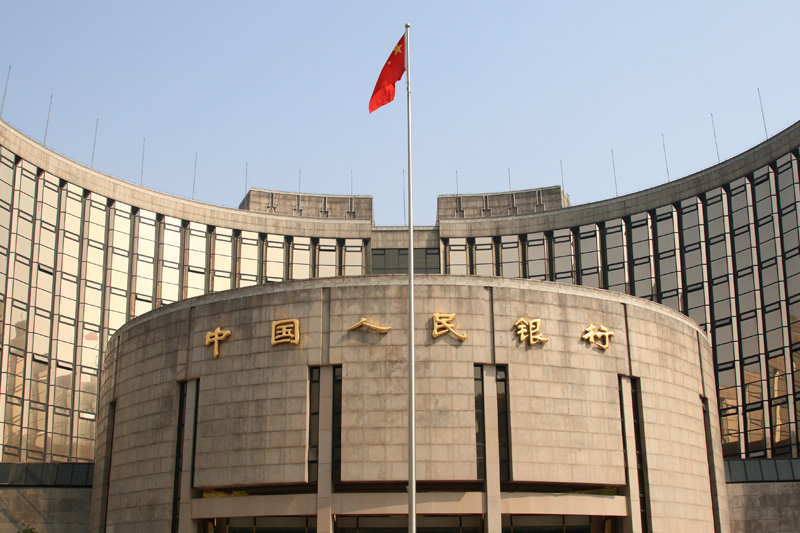
China left the one-year LPR at 3.00% and the five-year LPR at 3.50%, unchanged for the 10th straight month. Beijing set a slightly softer 2026 growth target and said it will deploy more fiscal and monetary stimulus while favoring liquidity operations over further rate cuts to avoid narrowing bank margins and pressuring the yuan. The hold, combined with geopolitical risk from the Iran war and market bets on higher-for-longer global rates, pressured gold and will influence FX and regional rates dynamics.
Macro pivot: markets are pricing a longer-for-longer U.S. real rate regime that pushes a higher risk-free discount into every growth multiple and commoditized capex decision. That dynamic is creating immediate downward pressure on duration assets and gold while amplifying divergence between discretionary/advertising-driven revenue streams and strategic AI/infra capex that CFOs defend even when borrowing costs rise.
Winners/losers & second-order: hardware vendors that capture AI rack/server demand (direct sellers and OEM integrators) can see order books convert with stickier pricing and better mix, while programmatic ad platforms and mobile apps face a double hit — higher discount rates and weaker ad budgets — compressing near-term revenue and multiple. Chinese policy choices that prioritize FX and bank margins over aggressive rate cuts raise the effective global liquidity premium, reducing near-term commodity demand (steel, copper) and keeping pressure on EM balance sheets.
Risk & catalysts: near-term reversals hinge on two asymmetric events — a sizable geopolitical escalation that drives risk-off flows into gold and sovereigns within days, or a demonstrable Chinese fiscal stimulus package (direct infrastructure + property support) that re-liquefies commodity and EM demand over 1–3 months. Company-specific catalysts (quarterly order conversion for AI hardware; seasonal ad spend reports for app/advertising names) will decide relative performance in 3–9 months.
Contrarian: consensus treats AI hardware as rate-sensitive cyclical capex; in many large enterprises AI stacks are strategic multi-year projects with committed budgets and less elasticity to short-term rate moves. Conversely, markets may underprice a rapid softening in ad budgets if Q1–Q2 macro momentum deteriorates, which would disproportionately hurt ad-revenue exposed names.
AI-powered research, real-time alerts, and portfolio analytics for institutional investors.
Request DemoOverall Sentiment
neutral
Sentiment Score
0.00
Ticker Sentiment
