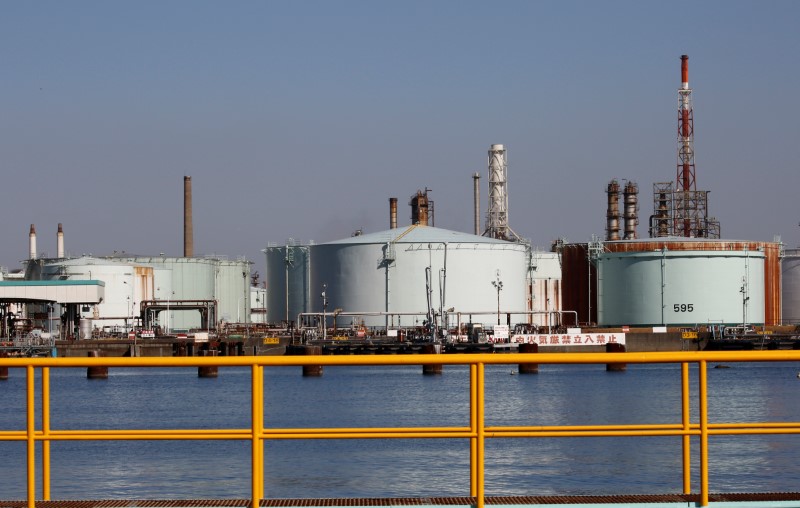
Brent crude fell $4.64, or 4.48%, to $98.90 a barrel, while WTI dropped $4.42, or 4.58%, to $92.18 as U.S.-Iran tensions kept uncertainty elevated over Middle East oil shipping through the Strait of Hormuz. The article frames the move as a geopolitical risk event for global growth and energy markets, with continued supply disruption concerns weighing on sentiment.
The immediate read-through is not just lower crude; it is a repricing of geopolitical risk premium across the entire commodity complex. When the market starts questioning whether a Hormuz disruption is imminent, the first move is usually a relief selloff in energy, but the second-order effect is broader: shipping insurance, tanker utilization, and regional freight rates can soften even if physical flows remain fragile. That creates a temporary window where downstream users with short inventory cycles get a margin tailwind faster than producers lose pricing power.
The key distinction is time horizon. Over days to weeks, the market is trading headline probability, so the move can overshoot if diplomatic noise increases and positioning is still crowded long energy. Over months, the real variable is whether supply-chain optionality gets restored: if risk premia fade, refiners, airlines, chemicals, and transport beneficiaries can outperform even without a big demand acceleration. Conversely, if talks stall again, the market will likely reprice not just crude but also refined product spreads and tanker rates, because physical bottlenecks matter more than outright benchmark levels in a chokepoint scenario.
The contrarian angle is that a sharp crude downdraft can be self-correcting if it undermines upstream capex discipline. Producers have spent years prioritizing returns, so a quick move below a psychologically important price band can slow marginal supply growth later in the year, making today’s weakness less durable than it looks. In other words, this may be a tactical lower for oil rather than a structural top, especially if the market is underestimating the probability of renewed headline shocks.
The best expression is to fade the most crowded geopolitical oil exposure, not to call an outright commodity top. The asymmetric trade is in relative value: long beneficiaries of lower fuel costs versus short high-beta energy proxies, with optionality around any reversal in negotiations or shipping risk.
AI-powered research, real-time alerts, and portfolio analytics for institutional investors.
Request DemoOverall Sentiment
moderately negative
Sentiment Score
-0.35
