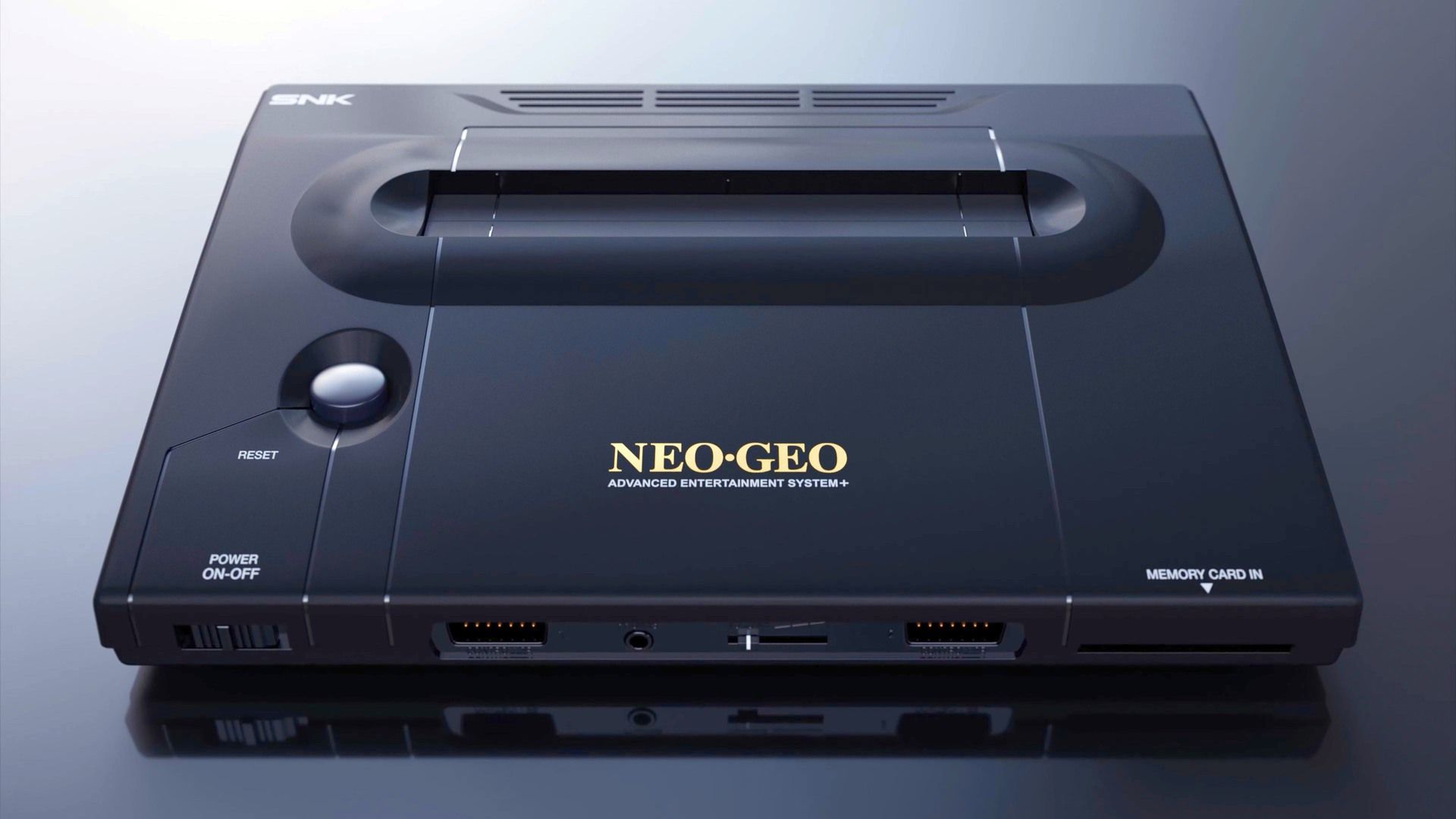
SNK and Plaion announced the Neo Geo AES+, a new hardware recreation of the 1990 Neo Geo that uses custom silicon rather than emulation and is set to ship in November. Pricing starts at $249.99 for the standard console, $349.99 for the Ice White 35th Anniversary Edition, and $999 for the Ultimate Edition, with launch cartridges priced at $70 each. The initial lineup includes 10 games, and the product targets retro gaming enthusiasts with modern features like HDMI, overclocking, and wireless controllers.
This is less a nostalgia product than a proof-of-authenticity play, and that matters because it changes buyer behavior from casual collectors to high-intent enthusiasts. The addressable market is small, but the willingness-to-pay is unusually elastic: the bundle structure effectively monetizes status, not utility, which should support high-margin accessory and cartridge attach rates if the system is not supply constrained. The biggest second-order winner is likely the IP owner’s back catalog economics; even modest unit sell-through can reprice dormant retro libraries and open a long-tail revenue stream with very low content-development risk.
The key competitive dynamic is that real hardware narrows the gap versus FPGA purists while avoiding the skepticism that often hits emulation-based retro hardware. That should pressure smaller retro-console makers and FPGA ecosystem vendors at the margin, but the real displacement is more subtle: it may siphon collector dollars away from original hardware markets, compressing used-console scarcity premiums over the next 6-12 months. If this gains traction, third-party accessory makers and aftermarket cartridge sellers could see incremental demand as buyers chase completeness and expand beyond the launch set.
The main risk is that launch enthusiasm is front-loaded while content cadence becomes the determinant of unit lifetime value. Without a steady wave of new cartridges or credible modern indie support, the product can stall after the first collector cohort is satisfied, especially at premium pricing. Conversely, a surprise cadence of periodic cartridge drops would extend the thesis materially and create a subscription-like scarcity loop; that is the catalyst to watch over the next 2-4 quarters.
Consensus is probably underestimating how much this validates the broader retro-hardware category, but overestimating the size of the standalone console opportunity. The more interesting trade is not the console itself; it is the ecosystem effect on adjacent nostalgia brands, specialty retailers, and any company with dormant classic IP that can be monetized through premium physical relaunches.
AI-powered research, real-time alerts, and portfolio analytics for institutional investors.
Request TrialOverall Sentiment
moderately positive
Sentiment Score
0.58
