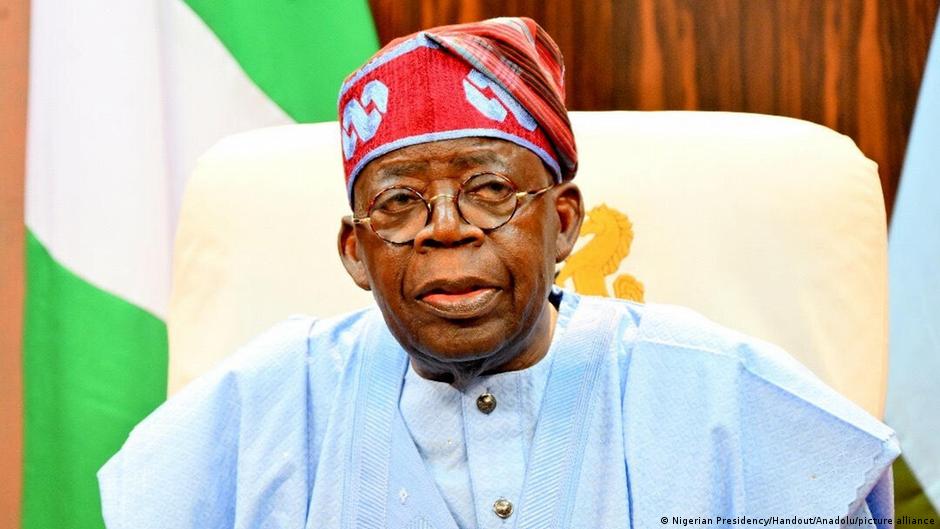
Nigeria has filed charges against six former security officials over an alleged plot to overthrow President Bola Tinubu, including accusations of terrorism and treason. A seventh suspect remains at large, and the case adds to regional coup risk in West and Central Africa amid Nigeria's ongoing internal security pressures and economic strain. The news is negative for political stability and may modestly weigh on Nigerian risk assets, though it is unlikely to drive broad global markets.
This is less a one-off legal event than a signal that Nigeria’s internal security apparatus is becoming increasingly politicized, which typically raises the equity risk premium before it shows up in macro data. In the near term, the market channel is not oil supply interruption but policy paralysis: when governments go into self-protection mode, procurement slows, capital spending gets delayed, and foreign counterparties demand wider spreads or political-risk insurance. That matters most for projects with long-dated cash conversion—power, transport, telecom towers, and local banks exposed to sovereign and quasi-sovereign counterparties.
The second-order risk is that a tightening cycle inside the security services can intensify factionalism rather than reduce it. If the administration responds with more reshuffles, arrests, or emergency-style measures over the next 1-3 months, the probability of localized unrest rises, especially in the north where security spending is already absorbing fiscal capacity. That would be bearish for domestic demand and for FX stability, because any deterioration in confidence tends to show up first in parallel-market pressure and then in imported inflation, hurting consumer-facing names and leveraged borrowers.
The contrarian angle is that headline risk may be larger than fundamental damage unless the narrative broadens beyond the accused officials. Nigeria has a history of absorbing coup chatter without regime change, so the immediate selloff in local-risk proxies can become a fade if no wider purge or street response materializes. The real medium-term tell is whether this episode forces a larger military reset or distracts from fiscal reforms; if the government keeps the security story contained, the macro hit should be measured in weeks, not quarters.
AI-powered research, real-time alerts, and portfolio analytics for institutional investors.
Request TrialOverall Sentiment
moderately negative
Sentiment Score
-0.45
