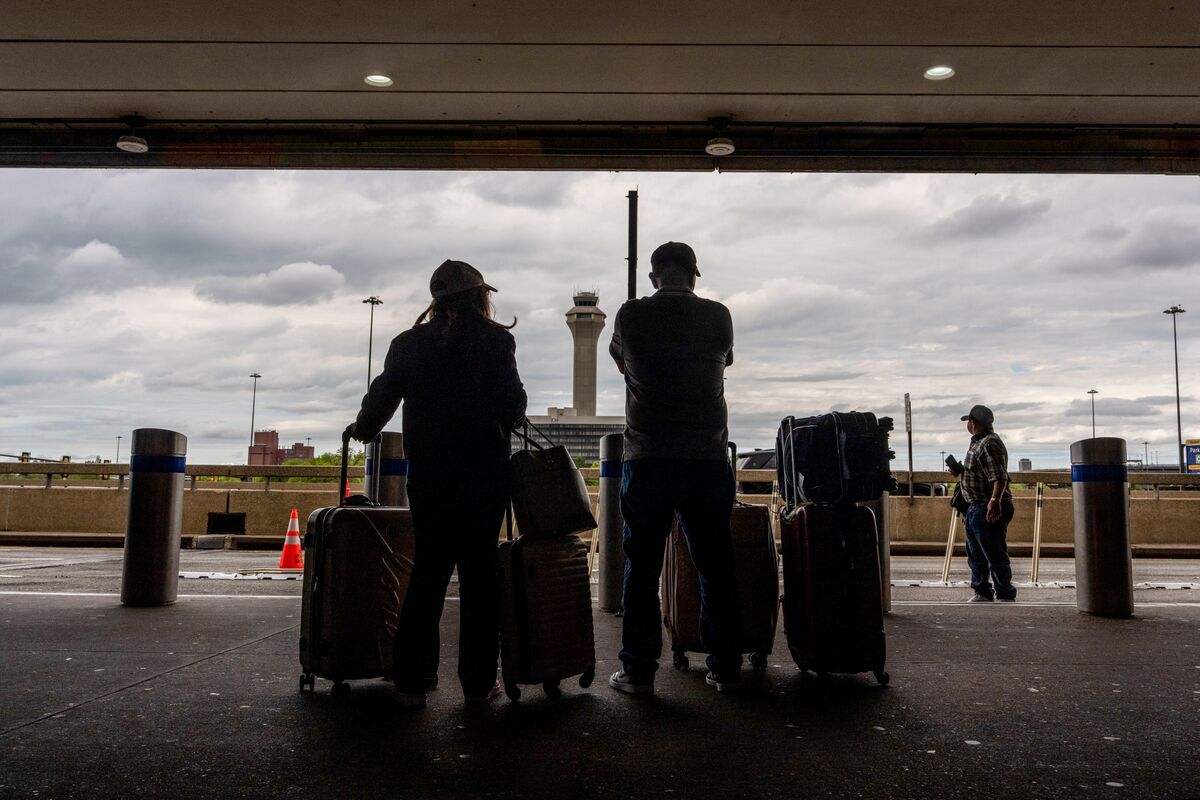
Sky-high airfare is forcing travelers to reroute or scale back summer vacation plans rather than cancel them outright. One example cited a one-way business-class ticket from Cleveland to Split, Croatia at $6,000 per seat, or nearly 100,000 points per person, prompting a change in destination. The article points to softer discretionary travel demand and increased sensitivity to pricing and points valuations.
The key takeaway is that airfare inflation is not just suppressing discretionary demand; it is reallocating it toward the subset of travel suppliers that can be consumed with points, status, or flexible inventories. That favors large hotel chains, airline co-branded card ecosystems, and loyalty program operators more than pure-play leisure demand names, because the consumer is optimizing for redemption value rather than destination quality. In practice, this creates a bifurcated summer where premium cash-paying demand softens while loyalty-funded travel holds up better than headline booking data would imply.
Second-order, the pressure lands hardest on mid-tier international leisure routes and smaller airports that depend on one-stop premium leisure traffic. If consumers are trading down destinations to fit point balances, routes with weaker network relevance and less corporate demand are at risk of being the first to see fare compression once summer peak passes. That matters for carriers and airport exposure because the mix shift can look stable on load factors while still eroding yield.
The more interesting contrarian angle is that the current setup is mildly negative for airlines in the near term but not uniformly bearish for the sector. Elevated fares are effectively subsidizing loyalty economics and improving cash conversion for the largest network airlines, while exposing the fragility of smaller competitors that cannot match redemption breadth or schedule depth. The risk is that if fares stay high into late summer, consumer frustration will spill into a sharper fall booking slowdown, but the reversal catalyst is also straightforward: any easing in capacity, fuel, or pricing discipline would quickly normalize demand and reduce the urgency to redeem points.
From a positioning standpoint, this looks like a relative-value story more than a directional macro short: the winners are the platforms with the deepest loyalty flywheel, not the highest-branded leisure exposure. The market may be underestimating how much of summer travel spend is being pre-committed through card spend and point redemption rather than incremental cash spend, which should cushion top-line volatility for the biggest systems while masking weakness in the weakest routes.
AI-powered research, real-time alerts, and portfolio analytics for institutional investors.
Request DemoOverall Sentiment
mildly negative
Sentiment Score
-0.15
