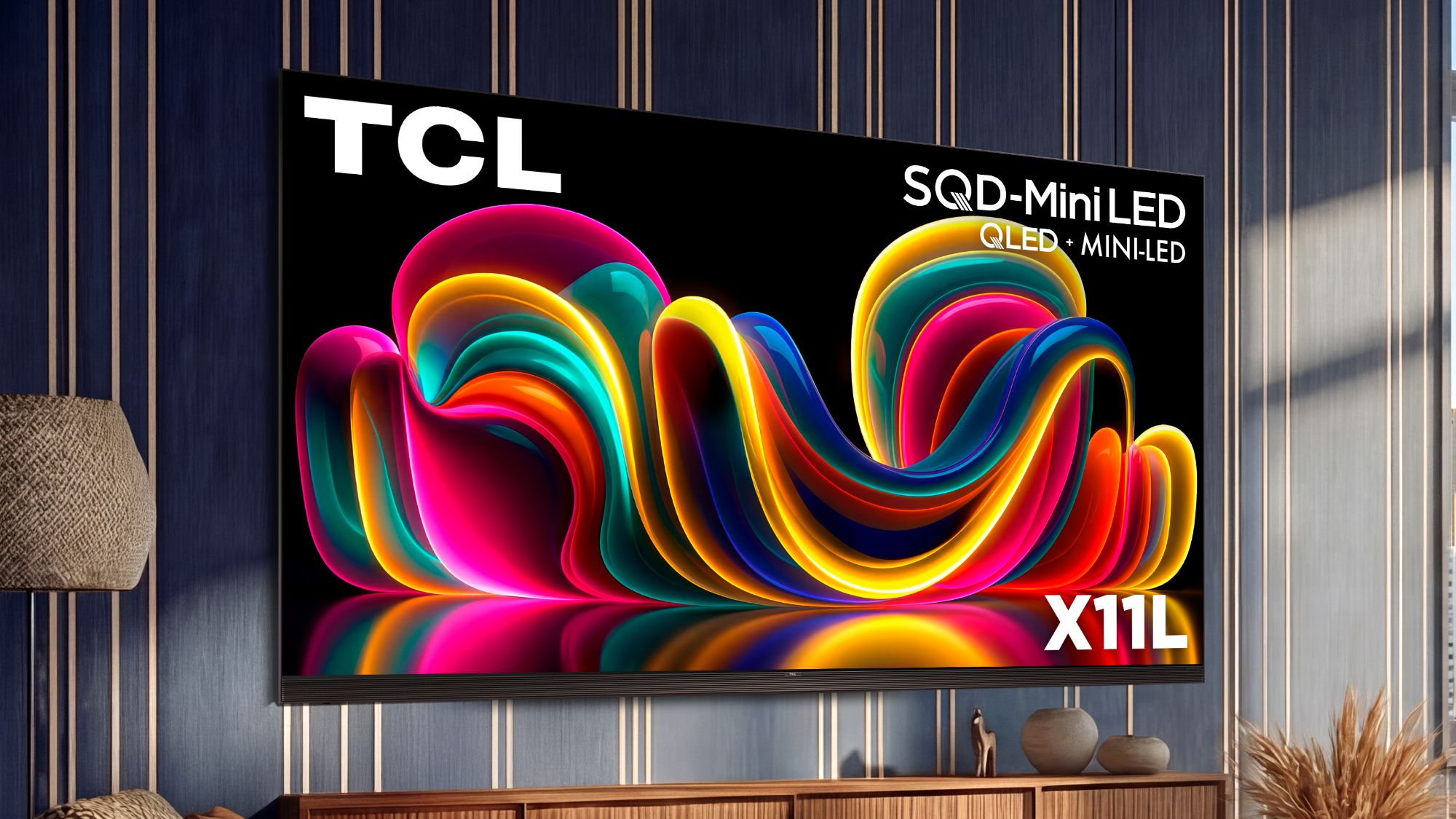
TCL unveiled its 2026 SQD (Super Quantum Dot) Mini-LED lineup at CES, led by the X11L which claims up to 20,000 local dimming zones, 10,000 nits peak brightness and 100% BT.2020 color coverage; the X11L will be offered in 75" ($6,999, introduced later), 85" ($7,999) and 98" ($9,999) sizes with the 85" and 98" launching in January and available for pre-order. TCL also announced additional SQD models (QM8L, QM7L, QM6L) and a TBD RM9L RGB Mini-LED model that shares the X11L’s UltraColor Filter, positioning the company to compete with premium RGB Mini-LED sets (e.g., Hisense U8/U7) though independent lab verification and full pricing/specs remain outstanding. The news is product-positive for TCL’s competitive positioning in premium TVs but carries limited near-term market-moving implications until sales, margins or broader distribution details are disclosed.
Market structure: TCL's X11L push (20,000 dimming zones, claimed 10,000 nits, $7k–$10k ASPs) signals premiumization of Chinese-brand TVs and will exert downward price pressure on mid/high-end LCD/QLED incumbents while lifting component suppliers (LED dies, quantum-dot materials, high‑brightness drivers). I estimate incremental Mini‑LED/QD component demand could rise 20–30% YoY in 2026 if multiple vendors follow TCL’s SKU mix; panel suppliers (BOE) and LED/optics vendors (ams OSRAM, Sanan) are primary beneficiaries.
Risk assessment: Key tail risks include specification overstatement (lab results <50% of TCL claims), inventory glut if consumer demand softens, or rapid competitive response from Samsung/LG with RGB Mini‑LED—any of which could compress margins >200–400bps industry‑wide over 12 months. Time horizons: expect market noise in days/weeks around lab reviews and shipping in Jan–Mar 2026; fundamental share shifts will play out over 2–8 quarters. Hidden dependencies: TCL’s market win relies on supply continuity for advanced quantum dots and high‑yield mini‑LED assembly—a single supplier outage could delay rollouts and spike component spot prices.
Trade implications: Direct plays are long HK-listed consumer electronics/panel/component suppliers and short legacy premium TV makers if adoption accelerates; options trades can monetize event risk around lab reviews and January shipments. Tactical pair trades (long TCL Electronics 02618.HK, long ams OSRAM AMS.SW) capture vertical upside; use 3–6 month call spreads to finance exposure and limit Vega risk. Entry: initiate before Jan shipment if pre‑order velocity >10k units in first 30 days; exit or trim on 20–30% realized upside or if independent reviews show peak brightness <5k nits.
Contrarian angles: Consensus overestimates halo effect—consumers often trade features for price; premium ASPs ($7k–$10k) may limit volume, so component suppliers’ revenue upside could be underdone while TCL’s margins are at risk. Historical parallel: 2019 HDR/QLED cycle delivered feature-driven ASP spikes followed by 12–18 month price erosion and channel inventory correction; prepare for similar 25–40% ASP normalization if competitors match SQD claims quickly. Unintended consequence: aggressive feature claims could trigger warranty/returns risk and higher R&D spending, pressuring free cash flow through 2026–27.
AI-powered research, real-time alerts, and portfolio analytics for institutional investors.
Request DemoOverall Sentiment
mildly positive
Sentiment Score
0.27
