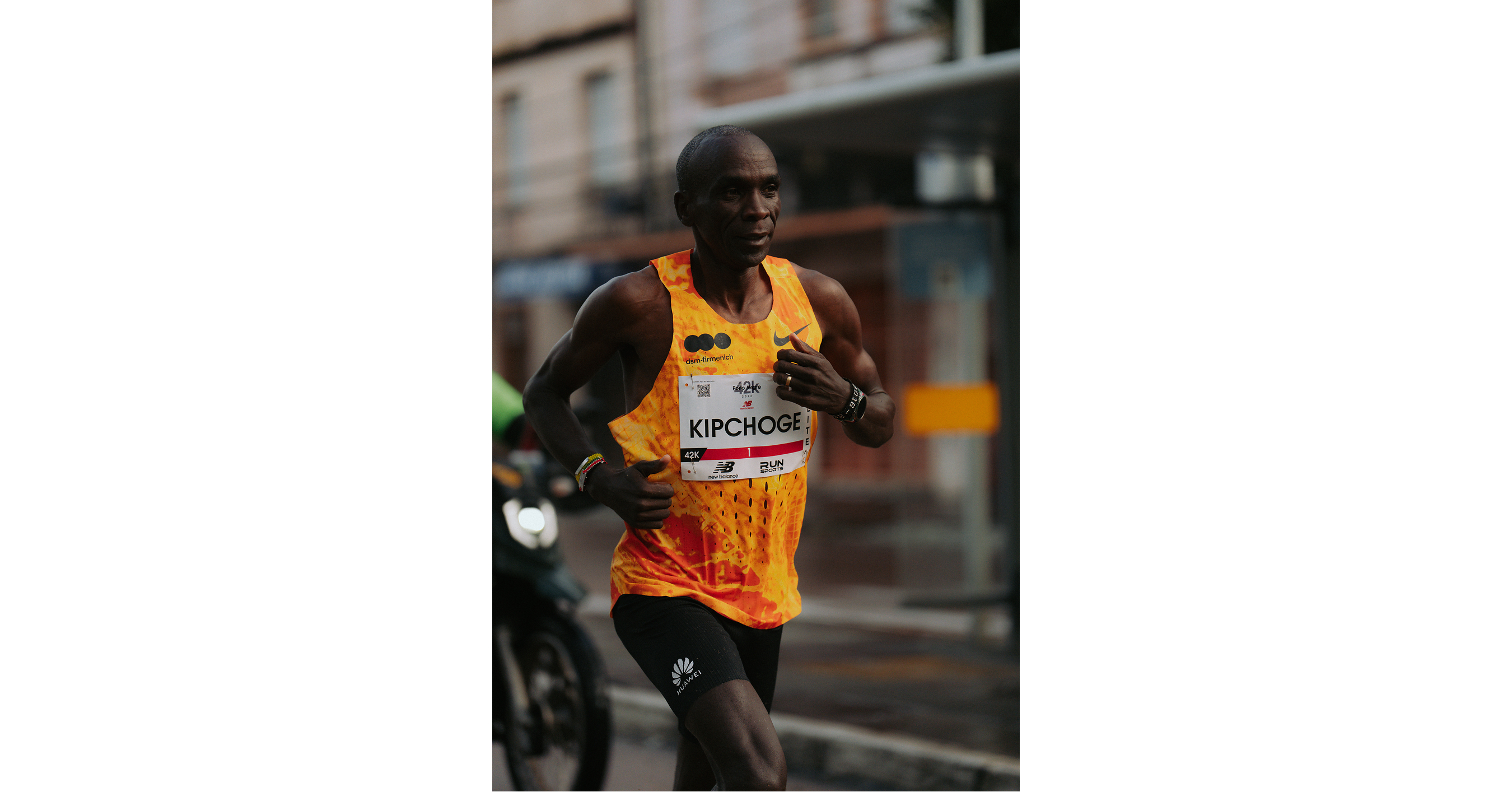
Huawei bringt die HUAWEI WATCH GT Runner 2 nach Brasilien und nutzt dabei die weltweite Reichweite von Marathon-Star Eliud Kipchoge (zweifacher Olympiasieger). Im Fokus steht der „Intelligent Marathon“-Modus inkl. virtuellem Tempomacher zur Echtzeit-Korrektur des Zieltempos sowie Unterstützung über die komplette 42,195-km-Distanz. Die Uhr wird als in der Praxis bestätigt dargestellt (Kipchoge testet sie u. a. beim NB42K Porto Alegre am 12. Juli), was vor allem positiven Consumer-/Brand-Impuls liefert, aber keinen klaren finanziellen Kennzahlen-Impact nennt.
This is mostly a positioning event, not a near-term P&L event for public equities. The economic read-through is that high-end running analytics are becoming a marketing claim, which increases competitive pressure on Garmin and other dedicated sports-watch brands more than on Apple, because the feature set is drifting from niche differentiator to checkbox. The likely first-order impact is ASP compression in mid-tier endurance wearables, especially in price-sensitive markets such as Brazil and other LatAm/EMEA channels where Huawei already has distribution.
The real question is whether this drives incremental unit share or just shifts brand preference. If independent reviewers validate battery life, GPS lock and training metrics, Garmin’s moat narrows over 1-3 quarters and it may need to defend share with promotions, which would show up as gross margin pressure before unit weakness. If the claim is mostly endorsement-driven, the effect fades quickly and the market should ignore it; the upside case for Huawei is strongest in China and select emerging markets, where ecosystem lock-in is weaker.
Contrarian view: consensus often overweights athlete endorsements and underweights software ecosystem stickiness. For Apple, this is a minor halo issue; for Garmin, it is a margin-defense issue. The falsifier is channel data: if Garmin’s next two quarters show stable sell-through and no promotional intensity, this is just marketing noise. If smartwatch ASPs in premium running models start slipping 5-10%, that is the signal that feature commoditization is real.
AI-powered research, real-time alerts, and portfolio analytics for institutional investors.
Overall Sentiment
mildly positive
Sentiment Score
0.15
