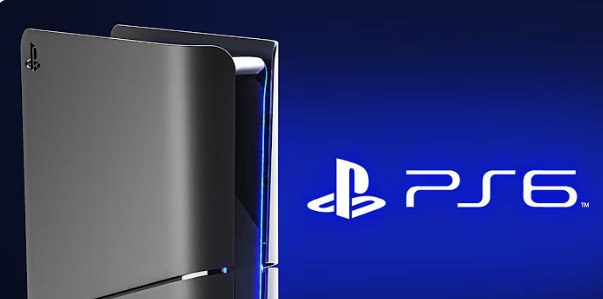
The article says the PlayStation 6 is expected in late 2027 or 2028 and could deliver 2.5x to 3x the PS5's rasterization performance, 6x to 12x better ray tracing, and a jump to roughly 34-40 teraflops versus the PS5's 10.28 teraflops. It also highlights faster SSD storage, a Zen 6-based CPU, dedicated AI hardware, and full backward compatibility with PS5 and PS4 games. The piece is speculative rather than confirmatory, so the market impact is limited, but it reinforces Sony's next-gen product pipeline and gaming technology leadership.
The market is likely underpricing how much of this is a two-layer trade: Sony gets the obvious hardware/launch-cycle uplift, but AMD may capture the more durable economics through design wins, reference architecture influence, and the halo effect of being the default console silicon partner. The bigger second-order effect is that a successful PS6 would validate AMD’s ability to monetize gaming IP into adjacent semi-custom and AI-adjacent workloads, which matters more than the unit count itself because it supports multiple re-rating narratives at once.
The contrarian issue is timing. A 2027-2029 launch window means most of the fundamental benefit sits well outside normal event-driven positioning, while the equity could be punished if enthusiasm gets pulled forward too aggressively and then leaks into a long dead zone with no catalyst. For Sony, the upside is more about ecosystem lock-in and attach-rate preservation than headline console margins; if the launch price is too high or supply constrained, the market may see a repeat of “great product, mediocre first-year economics,” which would blunt the stock reaction.
On the supply-chain side, the article implicitly points to an increasing dependence on advanced nodes, memory, and packaging discipline. That creates a hidden risk: any RAM scarcity or wafer allocation pressure would not just delay launch, it would compress the launch ramp and reduce the perceived quality of the upgrade cycle, which is where most of the stock impact would come from. The most likely miss in consensus is that the console cycle may be less about a one-time unit pop and more about extending engagement hours, monetization, and digital mix — that is positive, but it accrues slowly.
Risk/reward is therefore better expressed with staged exposure rather than outright momentum chasing. AMD offers the cleaner asymmetry if the market starts assigning a premium to gaming semi-custom plus AI capability, while SONY is the lower-volatility way to own ecosystem durability but with less torque. Near term, this is a sentiment story; medium term, it becomes a supply-chain and launch-execution story.
AI-powered research, real-time alerts, and portfolio analytics for institutional investors.
Request DemoOverall Sentiment
mildly positive
Sentiment Score
0.35
Ticker Sentiment
