
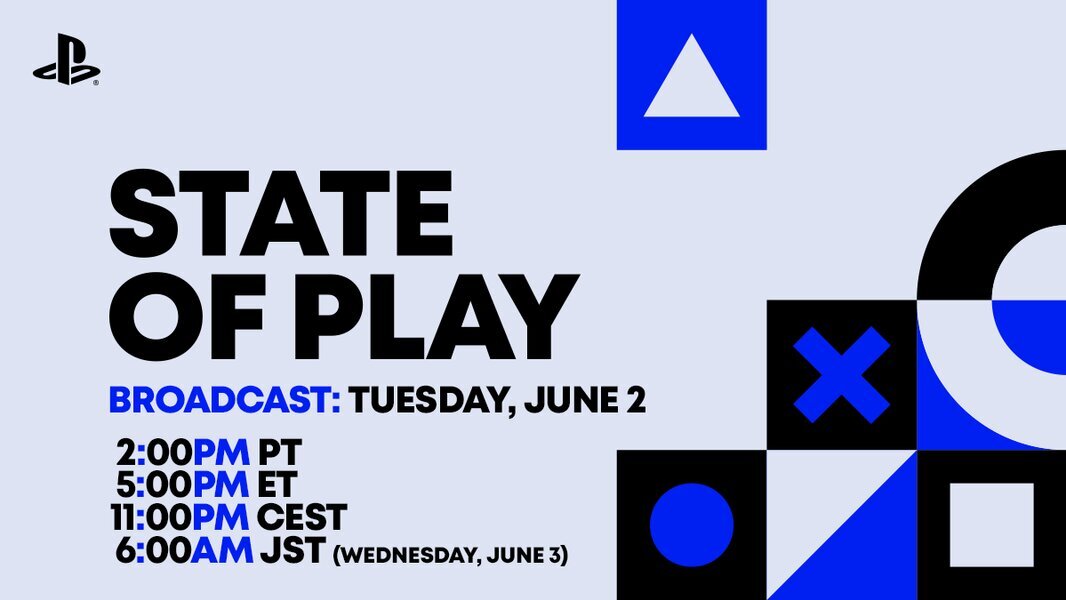
Sony's June 2 State of Play is set for more than 60 minutes and will feature a closer look at Marvel's Wolverine, with Insomniac confirming a PS5 launch on September 15. The article is largely a preview of likely announcements, including potential updates on first-party projects, third-party release dates, and indie titles, rather than a material company-specific development. Overall, it is a routine showcase preview with limited near-term market impact.
Sony’s setup is less about a single show and more about a late-cycle content calendar: the company is trying to convert a relatively sparse first-party pipeline into a broader platform event that pulls forward demand for PS5 software and, by extension, engagement with the ecosystem. That matters because in console economics, the marginal value is not the headline IP reveal itself but the multi-quarter attach-rate uplift that follows when uncertain users delay hardware replacement until software density improves. If the broadcast leans heavily on one flagship title, the market will likely read it as confirmation that Sony is stretching fewer internal development assets across more marketing beats.
The bigger second-order effect is competitive timing. A Sony showcase can siphon attention from third-party reveals that might otherwise land at Summer Game Fest, creating a short window where publishers seek distribution among the few remaining high-signal stages. That dynamic is modestly favorable for Sony’s platform leverage, but it also exposes a risk: if the slate is overly dependent on unproven live-service or long-dated projects, the event can reinforce the view that Sony’s near-term content cadence is thin, which is a multiple-risk issue rather than a revenue issue.
For the stock, the key catalyst is not the show itself but the 2-8 week period afterward, when preorders, wishlist velocity, and social engagement translate into measurable expectations for FY26 software revenue mix. The contrarian read is that a “good enough” event may be more bullish than a blockbuster one: Sony likely needs reassurance that the release pipeline is real, not another expensive hype cycle. In that sense, downside comes from disappointment relative to elevated speculation, while upside comes from credible release-date density and evidence that the company can monetize its installed base without overreliance on one-offs.
AI-powered research, real-time alerts, and portfolio analytics for institutional investors.
Request TrialOverall Sentiment
neutral
Sentiment Score
0.08
Ticker Sentiment
