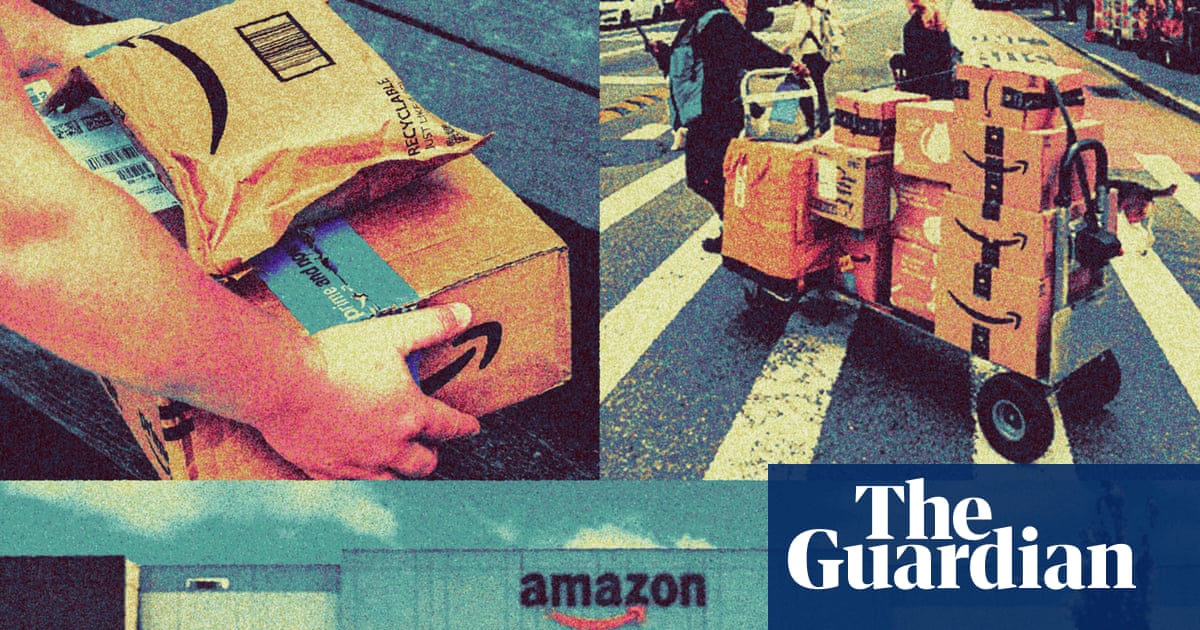
Amazon faces renewed scrutiny over warehouse safety, injury reporting, and treatment of injured workers, with multiple lawsuits alleging workers were told to keep working or pushed out after injuries. The article cites a 2024 U.S. recordable incident rate of 5 per 100 employees in 2025 versus 7.6 in 2021, while Amazon still accounted for 56% of serious U.S. warehouse injuries in 2024 despite employing 39% of workers. Regulatory pressure has eased under Trump, but OSHA and DOJ probes, plus ongoing litigation, keep the issue material for Amazon's governance and liability profile.
The market should treat this less as a headline-risk event and more as a persistent margin tax on Amazon’s fulfillment model. The core second-order issue is not just higher legal expense, but the probability that safety-driven workflow changes reduce throughput, increase labor hours per package, and force more restrictive staffing patterns in the very nodes where Amazon’s cost advantage is manufactured. That creates a subtle but durable operating leverage headwind: even small increases in injury-related downtime or accommodation costs can pressure unit economics across the North American logistics network.
A bigger risk is regulatory asymmetry. If federal enforcement remains soft, the issue won’t disappear; it will migrate into state AG actions, private litigation, and union-organizing leverage, all of which are slower, noisier, and more expensive than a single OSHA fine. The relevant time horizon is 6-18 months: that’s when recurring claims, discovery, and reputational drag can start to alter hiring, retention, and peak-season execution. The company can offset some of this with automation, but that is a capex-heavy remedy with a long payback and its own implementation risk.
The consensus likely underestimates how much this story compounds with Amazon’s broader governance discount: labor relations, political entanglements, and management credibility all feed into a higher risk premium for AMZN versus other megacap growth names. The contrarian view is that the stock may not suffer a large one-day multiple compression because investors have long accepted Amazon’s litigation overhang as part of the model. But the underappreciated downside is that continued safety scrutiny can slow margin expansion just as the market expects logistics efficiency gains to drive earnings leverage.
From a competitive standpoint, any sustained increase in Amazon’s compliance burden modestly benefits third-party logistics providers, regional parcel players, and retailers with less centralized fulfillment exposure. If Amazon is forced into more conservative staffing or more expensive injury handling, competitors with lighter warehouse footprints could see relatively better service levels and less labor churn. That said, the bigger beneficiary may simply be Amazon’s own automation vendors if the company accelerates robotics spend to reduce manual handling risk.
AI-powered research, real-time alerts, and portfolio analytics for institutional investors.
Request TrialOverall Sentiment
strongly negative
Sentiment Score
-0.55
Ticker Sentiment
