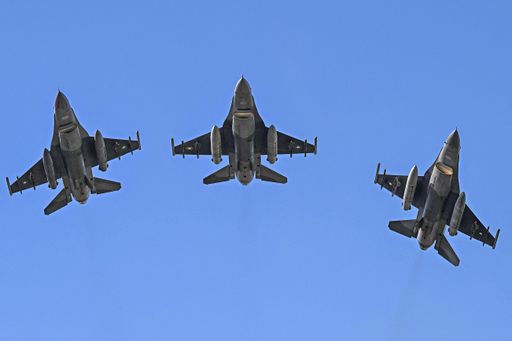
Pakistan deployed fighter jets and support aircraft to Saudi Arabia under a new mutual defence pact signed in September 2025, formalizing a deeper security partnership amid regional war risk. The move follows Iranian strikes on Gulf infrastructure and comes as Saudi Arabia’s finance minister visited Pakistan to signal economic support. The article is geopolitically significant and could modestly affect regional defense and risk sentiment, but it is not directly tied to a single listed asset.
The bigger market read is not the headline deployment itself, but the formalization of a Gulf security backstop that now sits alongside an implicit fiscal backstop. That combination raises the probability that Pakistan’s sovereign spread temporarily tightens on perceived external support, but it also increases contingent liabilities if regional escalation forces repeated balance-sheet assistance. For Saudi assets, the near-term effect is less about direct defense spending and more about a higher geopolitical risk premium that should support security-sensitive domestic capex while keeping foreign investors cautious on any assets exposed to energy infrastructure disruption.
Second-order, this is a signal that the region is moving from episodic crisis management toward standing bloc formation. In that regime, energy markets usually react less to realized damage and more to the probability of corridor disruption, which tends to inflate implied volatility before spot prices move. The more durable implication is for freight, insurance, and defense procurement rather than crude alone; these are the channels where a prolonged security umbrella shows up in earnings with a 1-4 quarter lag.
For Pakistan, the short-term winner is external financing confidence, but the medium-term risk is moral hazard: support can delay adjustment while raising the chance that any future shock is absorbed through reserves, not growth. The contrarian takeaway is that the market may be overpricing immediate escalation and underpricing the quieter benefit to Saudi-Pakistan policy coordination, which reduces tail risk around both refinancing and energy supply security if the pact functions as deterrence rather than a trigger for escalation.
AI-powered research, real-time alerts, and portfolio analytics for institutional investors.
Request DemoOverall Sentiment
neutral
Sentiment Score
0.00
