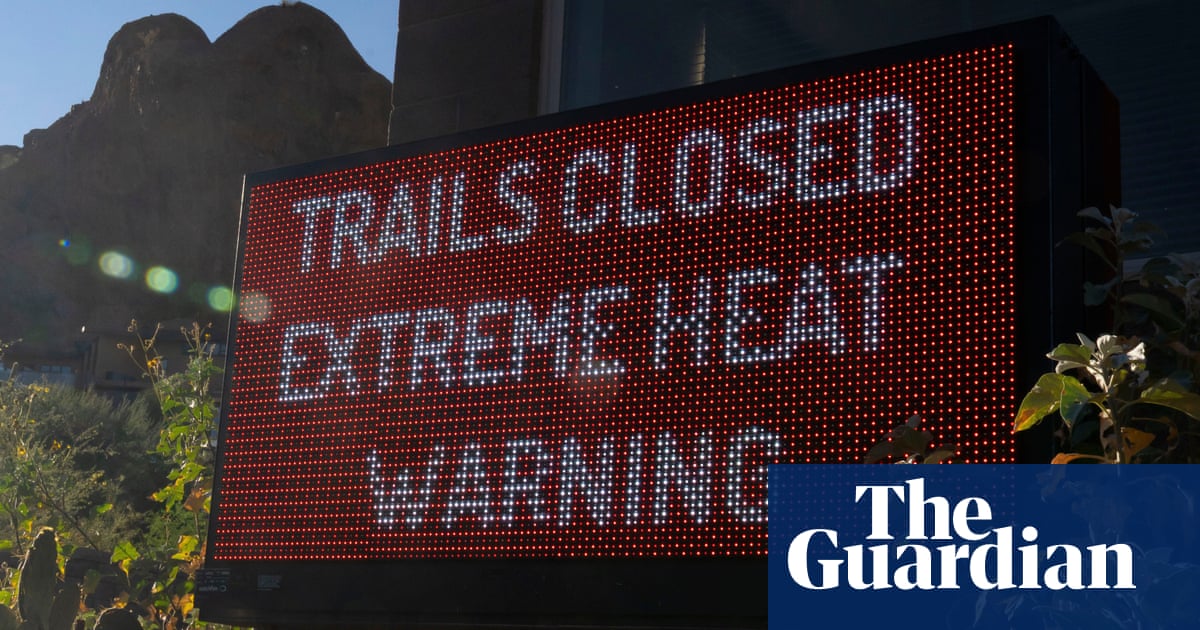
110F (43.3C) was recorded at Martinez Lake, AZ — the highest March temperature on record in the US, surpassing the previous 108F (42.2C) mark; multiple Southwest locations set March records (Phoenix 105F/40.6C, Las Vegas 95F/35C). The heatwave is running roughly 20–30°F above March normals and scientists estimate the event was made four times more likely by human-driven global heating. Near-term implications include elevated heat-illness risk, outdoor-activity and trail closures, and likely higher regional electricity demand and related stress on utilities and municipal services; monitor power loads and potential weather-related claims.
The immediate market mechanism is a shock to near-term electricity and cooling demand that will transiently lift spot power and natural gas prices for days-to-weeks, and drive an early seasonal acceleration in HVAC unit sales and service revenue. That concentrates benefit to manufacturers and distributors with finished-goods exposure and installed-base service franchises, while raising operating costs and margin pressure for energy-intensive regional businesses in the short run.
A second-order effect is accelerated capital allocation toward grid resilience: utilities and muni issuers will find stronger political cover and regulatory rationale to accelerate investments in distribution upgrades, targeted storage, and demand-side management over the next 12–36 months. That favors rate-base growth names and equipment suppliers (controls, inverters, switchgear) and creates asymmetric upside if regulators allow forward-looking recovery for weather hardening.
Over a multi-year horizon, repeated extremal heat events materially change counterparty risk profiles for agriculture, water utilities and reinsurers — expect higher claims volatility, tighter reinsurance supply and repricing in cat-exposed capacity. The market has partially priced a single-season bump in demand/prices but underestimates the compounding effect of earlier seasonal peaks on annual maintenance cycles, spare-parts inventories and capex pacing, which creates tactical windows to trade equipment suppliers and short-duration commodity exposures.
AI-powered research, real-time alerts, and portfolio analytics for institutional investors.
Request DemoOverall Sentiment
neutral
Sentiment Score
-0.05
