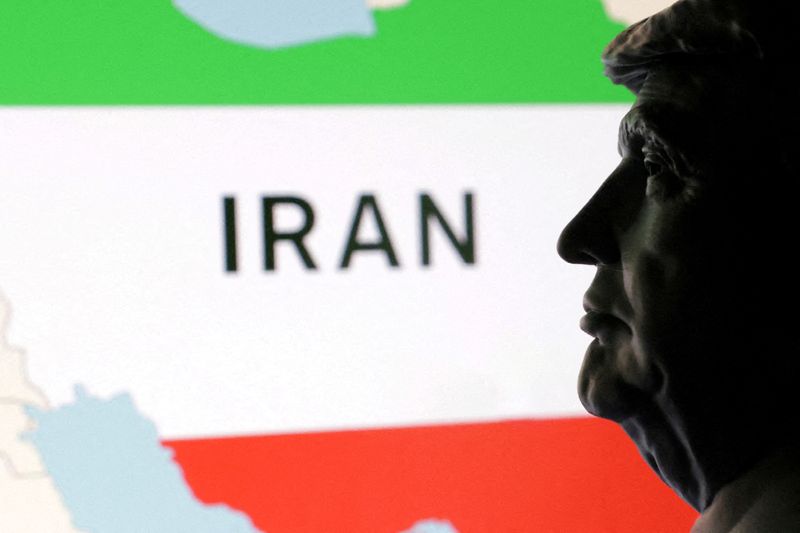
Brent crude has traded above $105 per barrel as the Iran-U.S. standoff keeps the Strait of Hormuz effectively shut, with fewer than 5 ships crossing in the last 24 hours versus a pre-war average of about 130 per day. The blockade and export restrictions are tightening global oil supply, lifting energy risk premia and adding to inflationary pressure. Although Iran’s Imam Khomeini International Airport has reopened and talks are continuing in Islamabad, prospects for a breakthrough remain slim.
The market is likely underpricing the duration risk in energy rather than the headline risk. When physical chokepoints tighten this hard, the first-order move is crude, but the second-order winner is volatility: refining margins, tanker rates, and freight insurance all reprice before broad equity indices fully absorb the macro hit. That favors assets with embedded scarcity exposure and hurts cyclical end-users with low pricing power, especially if the disruption persists beyond a few sessions and starts feeding through to freight, plastics, and input-cost guidance.
For NVDA versus INTC, the more important read-through is not a simple AI-vs-CPU rotation but where capex gets re-allocated under energy stress and export-control uncertainty. If geopolitics keeps sovereign and hyperscaler customers cautious, diversified compute stacks gain optionality, but the market will likely prefer the platform with higher software lock-in and better pricing power. INTC’s relative weakness matters because it is more exposed to a slower enterprise refresh cycle; NVDA’s modest positive signal suggests investors are still favoring compute intensity over macro fragility, but that conviction can reverse quickly if higher oil pushes rates, margins, and data-center electricity costs in the wrong direction.
The contrarian setup is that a ceasefire headline could trigger an abrupt mean reversion in oil and volatility faster than consensus expects, because positioning in energy and shipping likely becomes crowded once the market believes the corridor is truly constrained. That creates a short-duration trade in which long energy beta can work for days, but the better risk/reward may be in options on volatility rather than outright delta. On the equity side, any relief rally would most likely punish the most levered inflation beneficiaries first, while compute leaders with strong balance sheets can regain leadership once the macro tax on growth recedes.
AI-powered research, real-time alerts, and portfolio analytics for institutional investors.
Request DemoOverall Sentiment
strongly negative
Sentiment Score
-0.55
Ticker Sentiment
