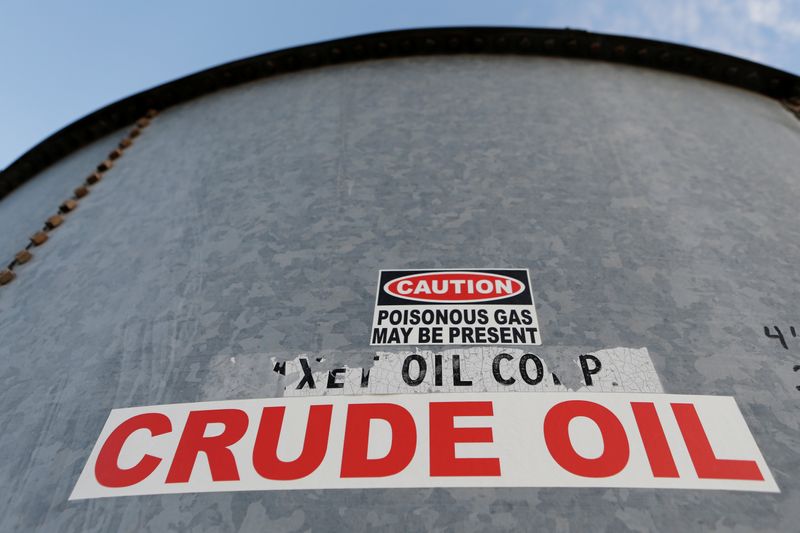
Kuwait Petroleum Corp. temporarily suspended operations at Mina Abdullah (346,000 bpd) and Mina Al-Ahmadi (454,000 bpd) refineries after drone strikes; emergency teams extinguished fires and the company is assessing damage. All three Kuwaiti refineries were running at roughly 50% capacity before the attacks, indicating a material near-term reduction in refining throughput and potential upward pressure on regional crude and product prices.
The immediate market impact is a product-flow shock, not a pure crude supply shock: with Kuwait’s two refineries effectively removing on the order of 300–500 kbpd of current regional refining throughput, refined product availability (diesel/kerosene, naphtha, VLSFO) is the primary imbalance. That drives cracks higher regionally and forces longer arbitrage hauls from Asia/Europe into the Gulf, lifting MR/LR tanker utilization and bunker volatility while simultaneously reducing near-term crude offtake into local storage by refineries.
Second-order winners include flexible, complex refiners and trading houses that can capture widened middle-distillate and naphtha spreads (they can import light feedstock and export products), plus tanker owners benefiting from reflow and ballast legs; losers are short-duration term suppliers with tight product delivery clauses and regional downstream consumers facing higher input costs. Insurance and contract-credit risk rises for counterparties with term physical product obligations — expect trade finance spreads and letters-of-credit costs to tick up in weeks if outages persist.
Time horizons matter: days–weeks will see product crack volatility and freight spikes; if outages stretch into months, global product inventories will be drawn and Brent may see a second-order rally as refiners re-enter crude markets. Reversal catalysts: rapid partial restarts, strategic product releases (SPR-type moves), or a softening in Asian product demand — any of which can compress cracks and hurt the short-duration trades.
Consensus is likely to reflexively buy crude producers; that’s the wrong axis in the short run. The mispricing is in product spreads and logistics — trade the bottleneck (product and freight) not broad crude exposure, and avoid upstream levered exposure until refinery status is confirmed over a multi-week window.
AI-powered research, real-time alerts, and portfolio analytics for institutional investors.
Request DemoOverall Sentiment
moderately negative
Sentiment Score
-0.50
