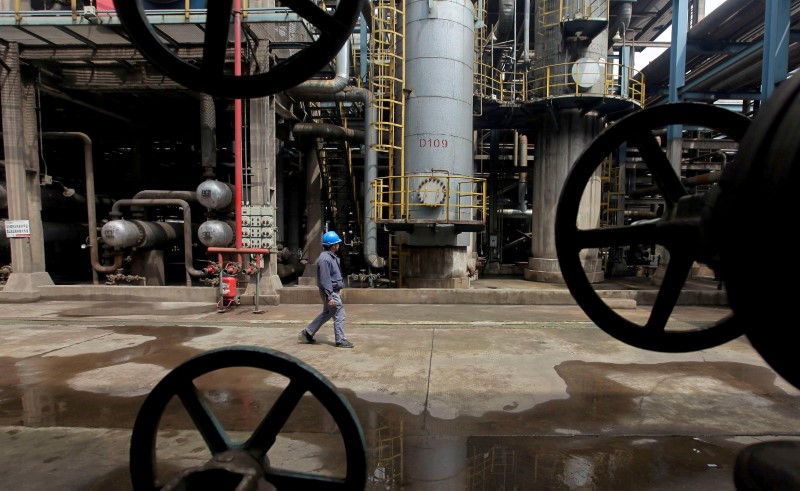
Oil prices surged about 25% amid escalating Middle East conflict and Iran supply fears, reversing a prior rally and prompting G7 talks on emergency reserves. UK 2-year gilt yield jumped to 4.1380% as bond prices fell, with 5- and 10-year yields also posting substantial gains. The spike heightens inflationary pressure risks for the UK and other vulnerable economies and is likely to drive risk-off positioning across markets.
The immediate macro transmission is not just higher input costs but a re-pricing of policy-linked real rates and FX. Energy-driven inflation that proves persistent for 2-3 months will force front-end rate markets to price another 20–40bps of tightening in a stressed scenario, compressing valuations on leverage-sensitive credit and on high-P/E growth names that depend on cheap carry.
Second-order winners are those with direct commodity-linked cash flows or hedged positions: producers with fixed-price contracts, commodity traders, and currencies with commodity exposure (CAD/NOK) should see flow support. Losers are dollar-denominated, ad-revenue or consumer-discretionary exposed businesses that cannot pass through higher fuel and transport costs; those firms will face margin compression and inventory re-pricing risks over the next 1–3 quarters.
Market technicals matter: risk-off volatility will widen cross-asset basis trades (oil-futures vs physical, swaps vs bond curves), creating short-lived arbitrage opportunities lasting days-to-weeks rather than months. Political catalysts (G7 reserve releases, shipping lane incidents, or sudden sanctions) are binary triggers that can both spike and quickly reverse energy moves — expect mean reversion windows of ~6–12 weeks if policy/diplomatic responses ramp up.
For SMCI vs APP the structural difference is clear: SMCI earns from capital spending on AI infrastructure (sticky capex) while APP is ad-sales exposed and cyclically sensitive. In a risk-off energy-inflation episode, expect capital-intensive, revenue-backed enterprise names to outperform ad-dependent mobile monetization plays on a 3–9 month horizon, provided liquidity remains intact.
AI-powered research, real-time alerts, and portfolio analytics for institutional investors.
Overall Sentiment
mildly negative
Sentiment Score
-0.35
Ticker Sentiment
