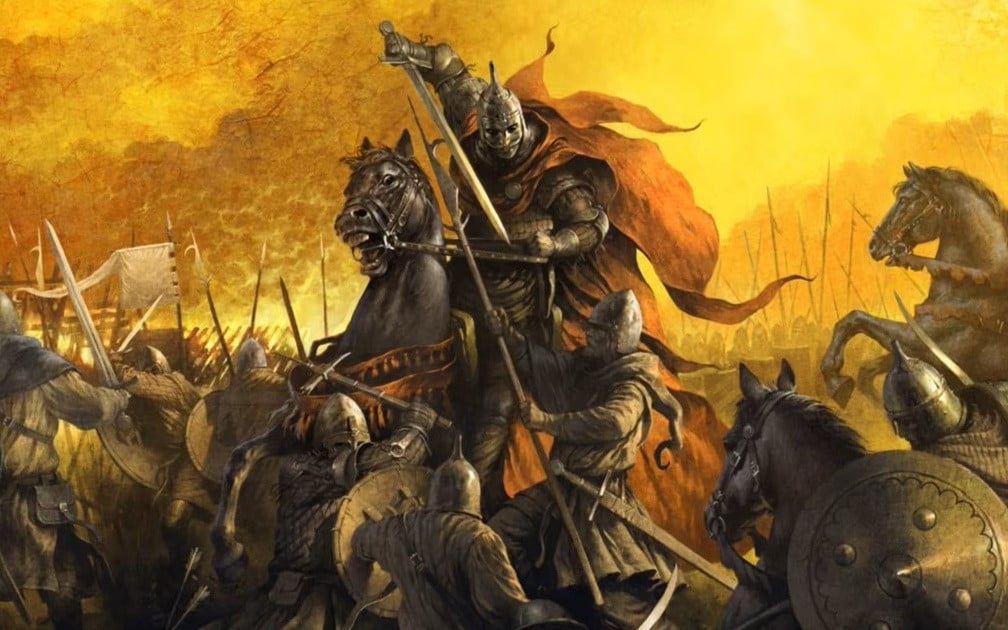
Warhorse Studios announced it is developing a new open-world Middle-earth RPG and separately confirmed a new Kingdom Come adventure is in development. No platform or launch window was disclosed, making this an early-stage announcement with limited near-term financial impact. The news is modestly positive for Warhorse's franchise pipeline and product slate.
This is less a single product announcement than a signal that a proven mid-tier RPG studio is broadening its monetization surface across two franchises at once. The second-order read is capacity: if Warhorse can sustain parallel development, the key incremental winner is the studio’s operating leverage, while the competitive loser is any AA RPG peer relying on a single franchise cadence to support valuation. In games, franchise breadth matters more than one-off launch hype because it lowers dependency on any single release window and improves publisher optionality.
The bigger implication is platform reach. A future Middle-earth RPG, if it lands on Switch 2 or a similar handheld-friendly platform, would likely be more attractive than the prior rough Switch port because the addressable audience for dense, systems-heavy RPGs is expanding into portable hardware. That creates a channel mix tailwind for any porting partner and for storefront ecosystems, but also raises execution risk: open-world RPGs are content-expensive, and launch slippage would push cash conversion further out by 12-24 months.
Contrarian angle: the market may overestimate how quickly “Middle-earth” translates into monetizable upside. Licensed IP can elevate wishlist velocity, but it also compresses margins via royalties and approval friction, so the best risk/reward may sit in partners and enablers rather than the developer itself. The main catalyst path is not the teaser announcement; it is platform confirmation, trailer quality, and whether the new project is clearly differentiated from the existing fantasy RPG slate.
For public-market knock-ons, the cleanest beneficiaries are likely handheld hardware sellers and port specialists if the title becomes a console portability story. The most obvious reversal would be a long development cycle with no platform detail, which would turn today’s optimism into a dead-money narrative until the next marketing beat.
AI-powered research, real-time alerts, and portfolio analytics for institutional investors.
Request DemoOverall Sentiment
mildly positive
Sentiment Score
0.15
