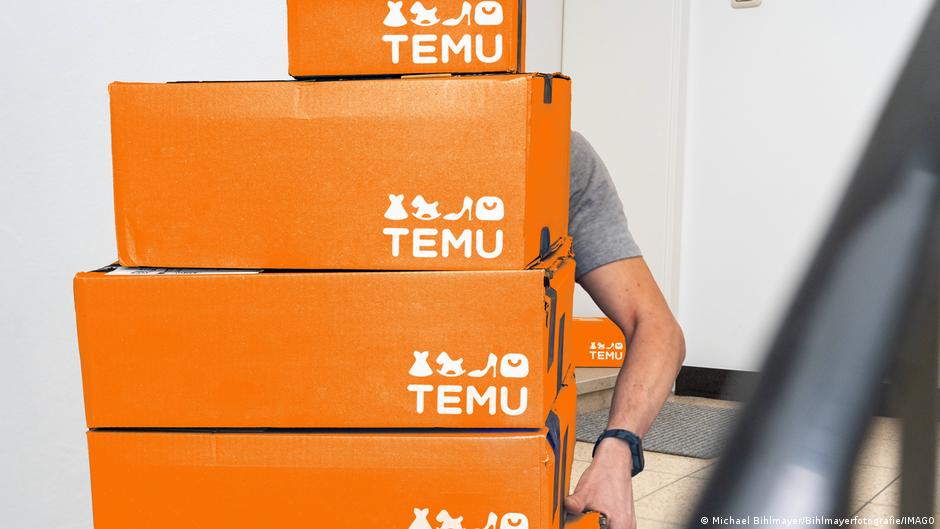
The EU fined Temu €200 million ($232 million) for Digital Services Act noncompliance, citing a failure to adequately assess risks from illegal and unsafe products on its platform. Regulators said consumers were very likely to encounter illegal items, including non-compliant chargers and baby toys with chemical and suffocation risks. Temu must submit a remediation plan by August 28 or face periodic penalty payments, adding to regulatory pressure on Chinese e-commerce firms in Europe.
This is less about one marketplace fine and more about an enforcement regime shifting from disclosure risk to product-liability risk. That matters because it raises the expected cost of operating a low-friction cross-border platform: higher seller verification, slower onboarding, tighter category bans, and more friction in the exact SKU buckets that drove Temu’s growth. The first-order hit is to GMV quality, but the second-order effect is worse: once buyers associate the marketplace with unsafe or non-compliant goods, conversion and repeat purchase rates can deteriorate faster than headline traffic.
The competitive setup is asymmetric. EU-native e-commerce, discounters, and branded value retailers benefit from a relative trust premium, even if they are less price-competitive on sticker price. More importantly, sellers that depend on ultra-cheap cross-border sourcing may face a hidden tax as platforms preemptively de-risk entire categories, which should support pricing for compliant private-label incumbents and marketplace operators with stronger supplier governance. If Brussels broadens enforcement, logistics intermediaries and fulfillment networks tied to direct-from-China parcel flows are also exposed to margin compression from inspections, compliance costs, and slower delivery promises.
For JD, this is a valuation overhang rather than an immediate earnings event, but it increases the political discount on any European strategic optionality. The market should also watch whether EU scrutiny spills into acquisition review and subsidy tracing, which could delay deal timelines by months and reduce the willingness of Chinese platforms to pursue large EU assets. The real catalyst window is 1-2 quarters: if Temu responds with visible product curation and seller controls, the stock-level impact fades; if the EU finds repeat violations, periodic penalties and category restrictions become a durable drag.
The contrarian view is that the headline fine may not be economically large enough to change consumer behavior quickly. Temu can absorb the penalty, and price-sensitive shoppers often tolerate some perceived risk unless prices move or delivery worsens materially. So the trade is not a collapse thesis; it is a gradual-share-loss thesis driven by compliance friction, reputational decay, and regulatory spillover, which tends to play out over months rather than days.
AI-powered research, real-time alerts, and portfolio analytics for institutional investors.
Request DemoOverall Sentiment
strongly negative
Sentiment Score
-0.65
Ticker Sentiment
