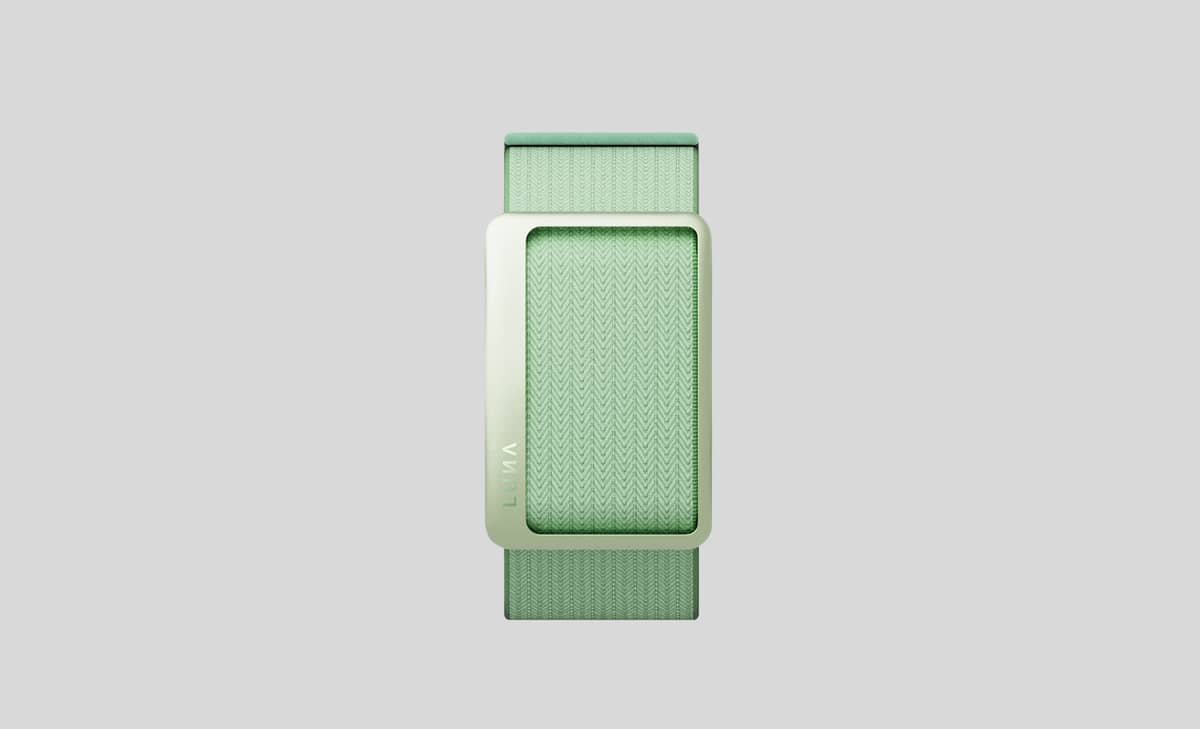
Tech Luna opened the waitlist for its invite-only Luna Band, with first shipments expected at the end of July and pricing still undisclosed. The product combines continuous health monitoring, voice-based logging, third-party integrations, and an AI-driven LifeOS that creates a structured daily health plan rather than traditional charts. The launch highlights growing competition in screenless wearables against Whoop, Oura Health, and Fitbit Air.
This is less a consumer wearables launch than an attempt to reprice the category from “tracking” to “behavioral operating system.” If the product works, the winner is not the band itself but the layer that can own longitudinal health context and prescribe actions, which is a direct threat to point solutions built around sleep, recovery, nutrition, and habit logging. The second-order effect is that the moat shifts from sensor accuracy to data persistence and workflow adherence; that favors ecosystems with OS-level distribution and weakens standalone apps that rely on manual user compliance.
The most important near-term catalyst is not hardware demand but retention quality over the first 30-90 days. A voice-first logging loop could reduce abandonment meaningfully versus swipe-based journaling, and if that improves cohort survival by even 10-15 points, it becomes a credible wedge into higher-value subscriptions and device attachment. The counterpoint is that behavior-prescription products often overfit to noisy causal claims; once users experience contradictory guidance or alert fatigue, churn can accelerate fast and the product reverts to another underused dashboard.
For competitive dynamics, the biggest loser is likely the fragmented “stack” of sleep/recovery/productivity subscriptions rather than premium devices per se. The bigger strategic winner may be the platform owner that can ingest third-party health context and turn it into sticky, recurring software revenue; that is the kind of adjacent capability that can be folded into a broader consumer health ecosystem. Google’s presence in screenless health hardware matters because it can subsidize distribution and data collection, but it also raises the bar for any startup trying to build a durable hardware-margin story.
The contrarian view is that this is an underappreciated software/data monetization story, not a hardware launch, so the market may still be valuing these products on low-margin device economics when the real upside is lifetime-value expansion from coaching, subscriptions, and eventual payer/provider integrations. The main tail risk is regulatory or reputational: once a consumer product starts making individualized causal health claims, it invites scrutiny if the recommendations look medical without validation. That risk matters over 6-18 months, not days, and it is the biggest reason the stockable upside may be more in platform partners than in the startup itself.
AI-powered research, real-time alerts, and portfolio analytics for institutional investors.
Request DemoOverall Sentiment
mildly positive
Sentiment Score
0.20
Ticker Sentiment
