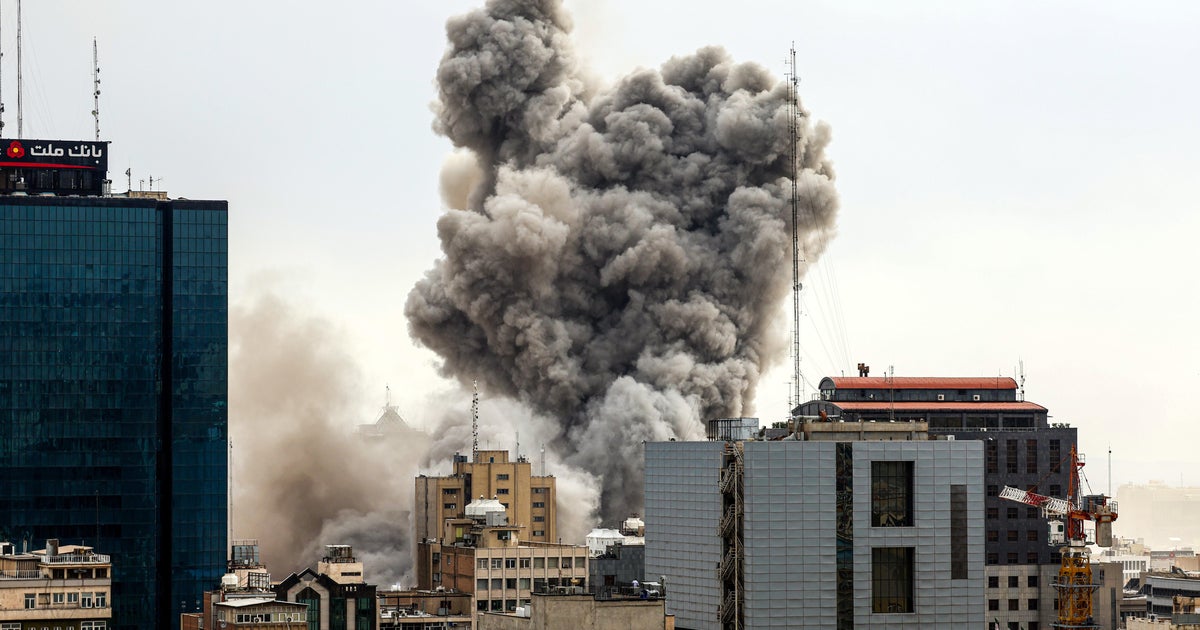
A CBS News/YouGov recontact poll (recontact n=1,399 March 2-3, 2026; initial n=2,264 Feb 25-27, 2026; recontact margin of error ±3.2 points) finds most Americans say the Trump administration has not clearly explained U.S. goals in the conflict with Iran, with roughly half expecting the conflict to last months or years and more respondents saying the action makes the U.S. less safe. Two-thirds of respondents favor Congress approving further military action, while Republican and MAGA supporters remain solidly behind the strikes — signaling elevated political risk and policy uncertainty that could sustain volatility in geopolitically sensitive assets.
Market structure: Immediate winners are defense contractors and energy producers—expect a 5–20% relative revenue re-rating over 1–3 months for prime contractors (e.g., LMT, NOC) and integrated oil majors (XOM, CVX) if strikes broaden or supply chokepoints are threatened. Losers are airlines, travel/leisure, and EM importers; higher jet fuel and insurance costs compress airline margins by an estimated 3–7% EPS over next 2–6 months. Cross-asset: expect a classic risk-off snapshot—USD and gold up, crude up, equity volatility higher, safe-haven Treasuries bid in days but inflationary pressure could push yields up in months if oil stays >$90/bbl.
Risk assessment: Tail risks include a strategic closure of the Strait of Hormuz or retaliatory strikes that spike Brent >$120 and trigger a >10–15% S&P drawdown (low-probability, high-impact). Time horizons: days—volatility and flows into safe assets; weeks–months—earnings revisions for energy/defense and margin stress for airlines; quarters/years—budget reallocations and sanctions-driven trade realignments. Hidden dependencies: Congressional approval dynamics, OPEC spare capacity, and insurance/shipping rerouting can mute or amplify the shock. Catalysts to watch: Iran retaliation timeline (7–21 days), OPEC announcements, and Congress votes.
Trade implications: Favor tactical longs in defense (ITA ETF, LMT) and energy (XOM/CVX or XLE) and tactical hedges for airlines (AAL, UAL) using put spreads; allocate 1–3% per trade with clear stop/profit rules. Options: buy 3-month Brent call spreads (e.g., $85/$105) and VIX call spreads to cap downside; use calendar spreads if you expect persistence. Entry: initiate within 48–72 hours; exit or cut if credible de-escalation occurs or Brent falls >10% from entry.
Contrarian angles: Consensus may overstate permanence—historical parallels (localized strikes 2019–2020) show 1–3 month commodity shocks that partially mean-revert once spare capacity and diplomatic channels activate. Mispricings: defense equities may be priced for sustained conflict; prefer short-dated option plays over large buy-and-hold positions. Unintended consequence: a sustained oil shock could push long-term yields and pressure growth — don’t overweight duration without inflation hedges.
AI-powered research, real-time alerts, and portfolio analytics for institutional investors.
Request TrialOverall Sentiment
mildly negative
Sentiment Score
-0.25
