

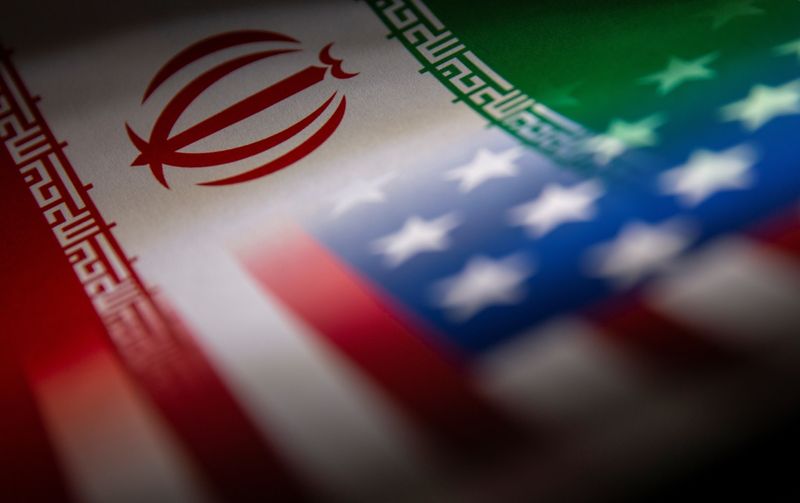
U.S. and Iranian forces exchanged fresh strikes over the weekend, with CENTCOM saying it hit radar and command sites in Goruk and Qeshm island while the IRGC said it attacked a U.S. base in retaliation. The escalation prolongs an already fragile ceasefire, keeps negotiations uncertain, and raises the risk of further disruptions to oil flows through the Strait of Hormuz. Oil prices rose sharply on Monday as markets priced in continued supply disruption risk.
The market is treating the conflict as an energy-duration shock, but the second-order effect is broader: persistent Strait-of-Hormuz disruption tends to lift not just crude, but implied volatility across cyclicals, transport, and data-center hardware supply chains that rely on uninterrupted Asian shipping and power stability. That matters for names like SMCI and APP because their equity narratives are built on smooth capex cycles, abundant liquidity, and multiple expansion; a higher-rate, risk-off tape can compress those multiples even if their end-market demand is intact.
The near-term winner is any asset tied to scarcity pricing in power and logistics, while the obvious losers are consumption-sensitive and margin-thin industrials. The more interesting read-through is that defense and infrastructure beneficiaries often lag the initial headline by weeks: once the market believes the situation is not a one-off, capital rotates from “event hedges” into longer-duration winners such as defense primes, missile defense suppliers, and select energy infrastructure names with throughput exposure rather than pure commodity beta.
The consensus risk is assuming this is a binary de-escalation trade. The tail risk over the next 2-6 weeks is a failed ceasefire that keeps oil elevated enough to pressure risk assets but not high enough to trigger immediate policy intervention, which is the worst regime for high-multiple growth stocks and the best regime for vol sellers who are under-hedged. If oil spikes fade quickly, the unwind should be violent because positioning is likely already leaning long energy and short beta defensives.
For SMCI and APP, the issue is not direct fundamental damage but multiple sensitivity: if the 10Y backs up on inflation risk and the VIX reprices higher, these names can de-rate faster than the market expects. The contrarian angle is that their strongest bull case survives any geopolitical noise longer than the stock prices do; if risk-off persists for more than a few sessions, the better trade may be to buy the dip only after forced deleveraging, not on the first headline.
AI-powered research, real-time alerts, and portfolio analytics for institutional investors.
Request TrialOverall Sentiment
strongly negative
Sentiment Score
-0.65
Ticker Sentiment
