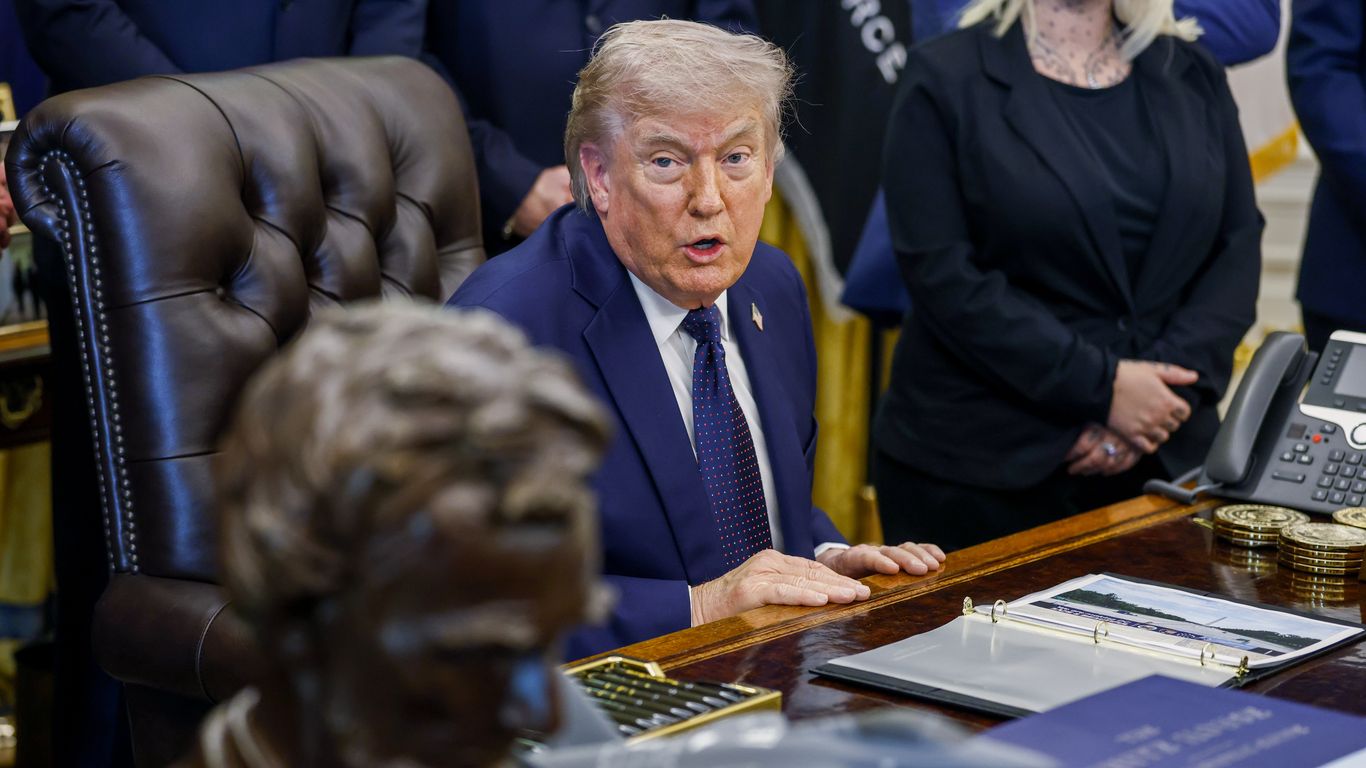
A White House meeting with oil and gas executives focused on the Iran war, a potential months-long blockade, and steps to limit the impact on U.S. consumers as gasoline averages $4.23 per gallon, the highest since 2022. The de facto closure of the Strait of Hormuz, which handles about one-fourth of global seaborne oil, has pushed oil prices to multiyear highs and is supporting U.S. crude and LNG export economics. The episode creates a major geopolitical shock for energy markets, with upside for producers but heightened inflation and political risk from elevated fuel prices.
The immediate market winner is not just crude-sensitive equities, but assets with optionality on a prolonged logistics bottleneck. If shipping lanes remain impaired for weeks, the first-order effect is higher realized prices; the second-order effect is a widening spread between benchmark barrels and delivered economics, which tends to favor large integrated producers with export access and trading arms over pure domestic refiners and transport-heavy industrials. CVX should benefit more than the average energy complex because it can monetize both upstream tightness and overseas marketing flow, but the bigger relative trade is likely in midstream/export infrastructure and LNG-linked exposure rather than the headline upstream beta.
The political constraint matters more than the military one. Once retail gasoline remains elevated for multiple weeks, policymakers typically shift from "manage the shock" to "manufacture relief," which creates a sharp reversal risk via SPR actions, regulatory waivers, or pressure on allies to add supply. That means the trade has a shorter half-life than a normal geopolitics rally: days to a few weeks for momentum, then a higher probability of intervention if pump prices stay above roughly the mid-$4s nationally. The market may be underpricing how quickly demand destruction can appear in air travel, freight, and discretionary driving if elevated prices persist into the next consumer spending window.
The contrarian view is that the upside in crude may already be discounting a worst-case blockade scenario while the more durable beneficiary is U.S. LNG and export logistics. If the region's supply is persistently constrained, global buyers will pay up for non-Middle East molecules, which supports U.S. gas and export infrastructure even if crude cools later. That favors a barbell: own the cash-generating majors for near-term beta, but hedge by owning LNG/export winners and avoiding domestic-sensitive consumer/transports that face margin compression if fuel costs remain sticky.
AI-powered research, real-time alerts, and portfolio analytics for institutional investors.
Request DemoOverall Sentiment
neutral
Sentiment Score
0.10
Ticker Sentiment
