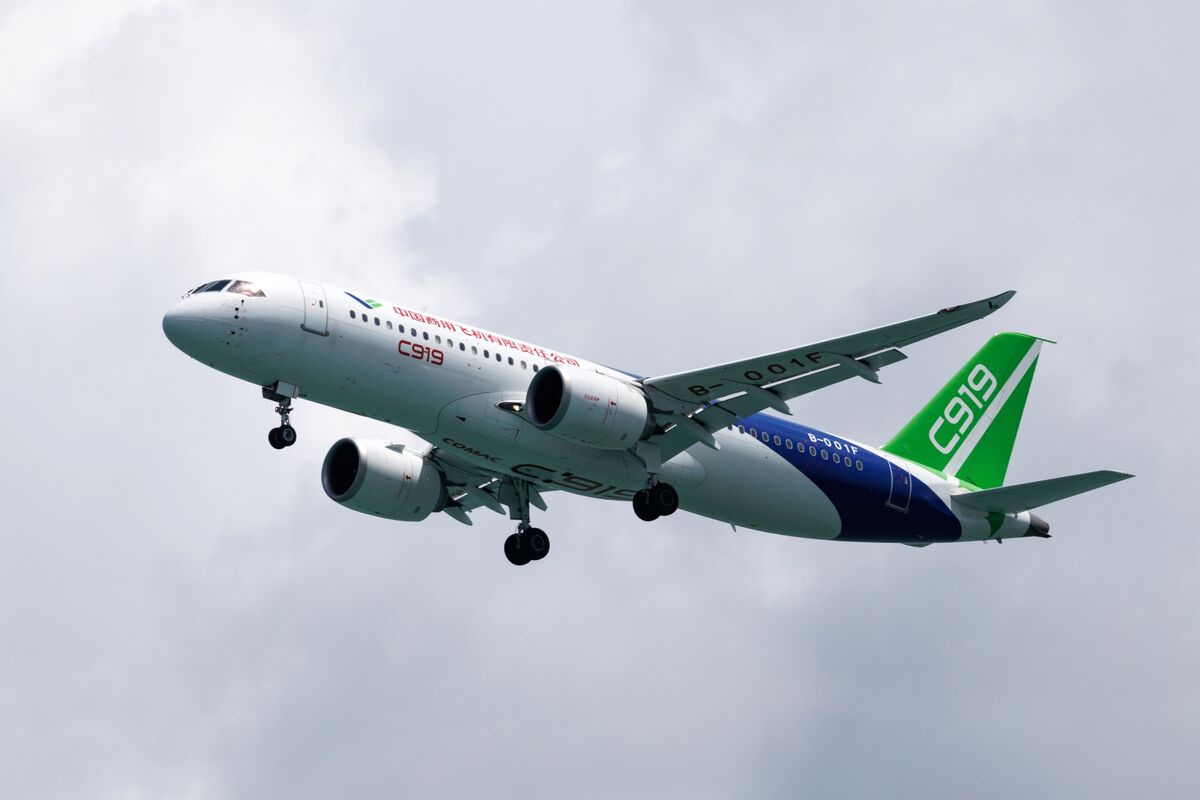
China has delayed final approval for Airbus aircraft deliveries for several months, using the slowdown to pressure Europe over certification of Chinese-made Comac jets. The move creates a mild headwind for Airbus and underscores rising regulatory and trade friction between China and Europe. While not a broad market shock, it could affect individual aircraft delivery schedules and near-term airline fleet plans.
This is less about near-term aircraft revenue and more about leverage in a multi-year industrial negotiation. China is signaling that market access is now a geopolitical bargaining chip, which raises the probability that every major aerospace procurement decision gets politicized from here rather than price/lead-time optimized. That creates an underappreciated second-order winner: domestic supply-chain localization in China, where even incremental certification progress can shift orders, MRO spend, and pilot training ecosystems away from Western OEMs over the next 2-4 years. For Airbus, the direct P&L hit is manageable in the next few quarters because backlog remains deep, but the valuation risk is on delivery timing, not order cancellations. The bigger margin consequence is mix: if China slows acceptance of higher-margin widebody or premium narrowbody deliveries while domestic substitution ramps, the company could see weaker cash conversion even if headline backlog stays intact. The same dynamic pressures suppliers with China exposure more than the OEM itself, because they have less pricing power and less ability to reroute inventory. The market is likely underpricing the chance of policy spillover into broader aviation components and leasing channels. Lessors and engine/avionics suppliers with meaningful China concentration face a tail risk of delayed handovers, higher working-capital needs, and slower utilization, which can matter within 1-2 quarters if approvals remain frozen. A reversal would require either a visible European certification concession on Chinese aircraft or a bilateral trade thaw; absent that, the standoff can persist for months because neither side wants to be first to blink. Contrarian take: this is not necessarily bearish for Airbus in a strategic sense. If China’s approval slowdown remains partial rather than absolute, Airbus may preserve long-term share because Chinese carriers still need Western aircraft for fleet reliability, financing, and maintenance ecosystems. The sharper risk is that prolonged friction accelerates China’s willingness to tolerate a smaller domestic safety/certification gap in exchange for autonomy, which would be negative for Western aerospace share well before it shows up in unit volumes.
AI-powered research, real-time alerts, and portfolio analytics for institutional investors.
Request DemoOverall Sentiment
mildly negative
Sentiment Score
-0.35
