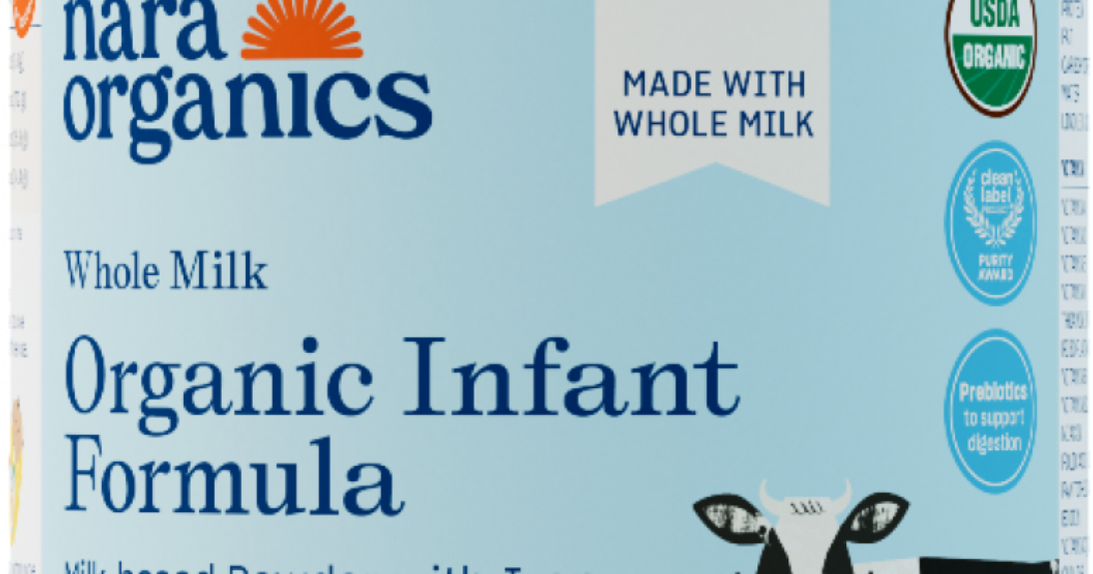
Nara Organics is voluntarily recalling its powdered infant formula after 3 infants hospitalized with infant botulism consumed the product; no deaths have been reported and the affected lots are 709125280E14F2, 709125288E14F2, and 708125174E14F2. The formula was sold at Target, Target.com, and Nara.com in the U.S., with refunds available to consumers. The event raises product-safety and liability concerns for the brand and its retail channel, though no lots have tested positive for Clostridium botulinum.
This is a reputational and channel-risk event for TGT more than an immediate earnings event. Infant formula is a high-trust, low-frequency category that drives repeat trips and basket attachment; even a small trust shock can reduce store-brand halo and shift families toward e-commerce replenishment, pharmacy channels, or competitor private labels for several quarters. The second-order issue is not just lost formula sales, but knock-on softness in adjacent baby categories where Target tends to monetize young-family cohorts with above-average lifetime value.
The competitive dynamic likely favors the largest national brands and grocers with deeper food-safety credibility, while also giving online-first and membership-based channels a modest share gain if parents prioritize perceived traceability and easier refund logistics. If the company has any overlap with private-label infant nutrition or baby consumables, the recall increases the odds of more conservative merchandising, higher QA expense, and a slower product-launch cadence across the broader baby aisle. That creates a small but real gross-margin headwind if Target responds with more testing, tighter supplier qualification, and promotion to rebuild trust.
The near-term downside is mostly behavioral and could extend 1-2 quarters, but the tail risk is regulatory escalation if investigators find process deficiencies rather than an isolated contamination event. A clean exoneration would cap the damage quickly; a second incident in the category would materially raise the probability of broader retailer scrutiny and a long-duration brand reset. For now, the market should treat this as a modest negative to comp quality rather than a thesis breaker, but the asymmetry is unfavorable because trust losses in infant products are sticky and slow to re-earn.
Contrarianly, the selloff risk may be overdone if investors extrapolate the headline into a multi-quarter sales hit without evidence of repeated contamination or a wider recall at the retailer. The more important signal will be refund and replacement behavior: if affected households simply migrate to another Target-approved brand rather than leaving the ecosystem, the economic damage is mostly noise. The real optionality is on who captures the displaced demand, not whether demand disappears entirely.
AI-powered research, real-time alerts, and portfolio analytics for institutional investors.
Request DemoOverall Sentiment
moderately negative
Sentiment Score
-0.35
Ticker Sentiment
