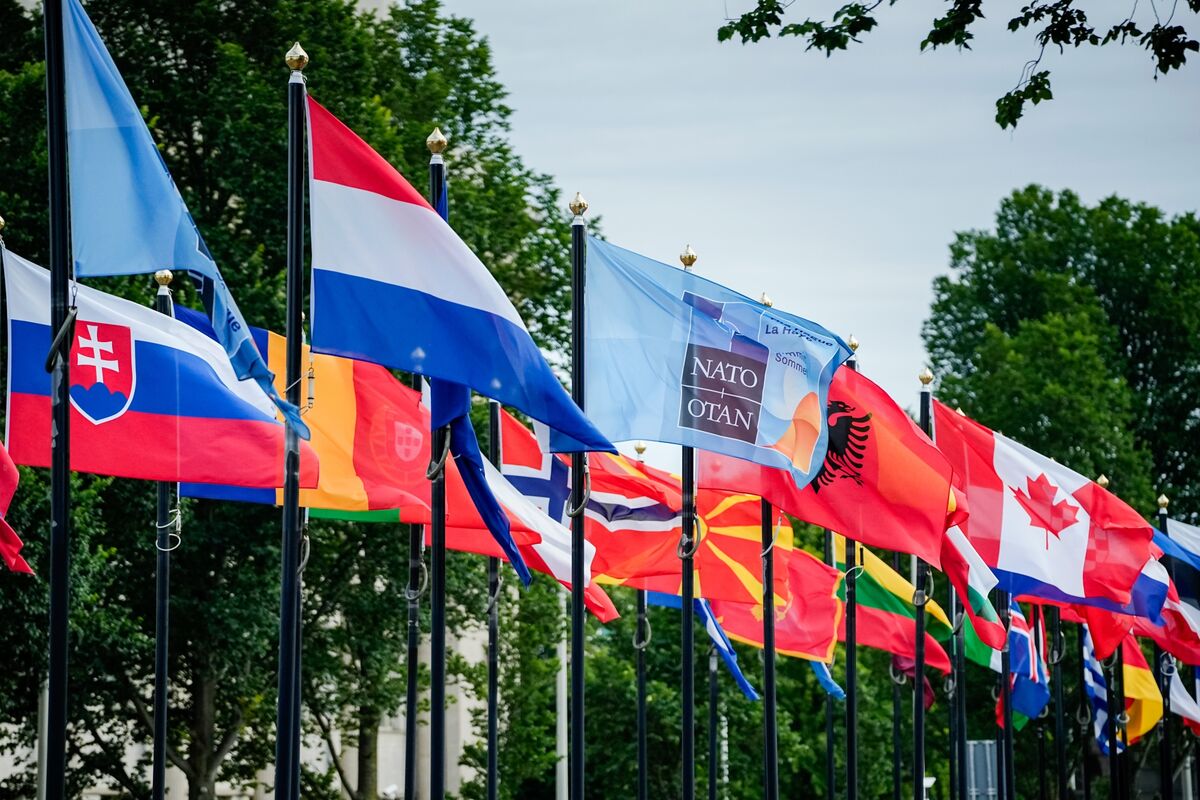
NATO leaders are convening in The Hague, where alliance war planners are actively contemplating a potential Russian attack on NATO, a 'doomsday scenario' considered amidst the recent US-Iran military showdown. This highlights a significant escalation in geopolitical risk and strategic focus on major conflict contingencies.
A significant escalation in geopolitical risk is underway as NATO's war planners convene in The Hague to specifically address a 'doomsday scenario' involving a Russian attack on the alliance. This development, occurring amid the backdrop of recent US-Iran military tensions, signals a material shift in the global security calculus from regional conflicts to direct major-power contingency planning. The extremely negative sentiment score of -0.85 and a high market impact score of 0.85 underscore the gravity of this focus. The explicit preparation for such a conflict suggests a potential acceleration in defense spending and a realignment of strategic priorities within the 'Infrastructure & Defense' theme, moving beyond counter-terrorism to conventional warfare readiness.
AI-powered research, real-time alerts, and portfolio analytics for institutional investors.
Request DemoOverall Sentiment
extremely negative
Sentiment Score
-0.85
