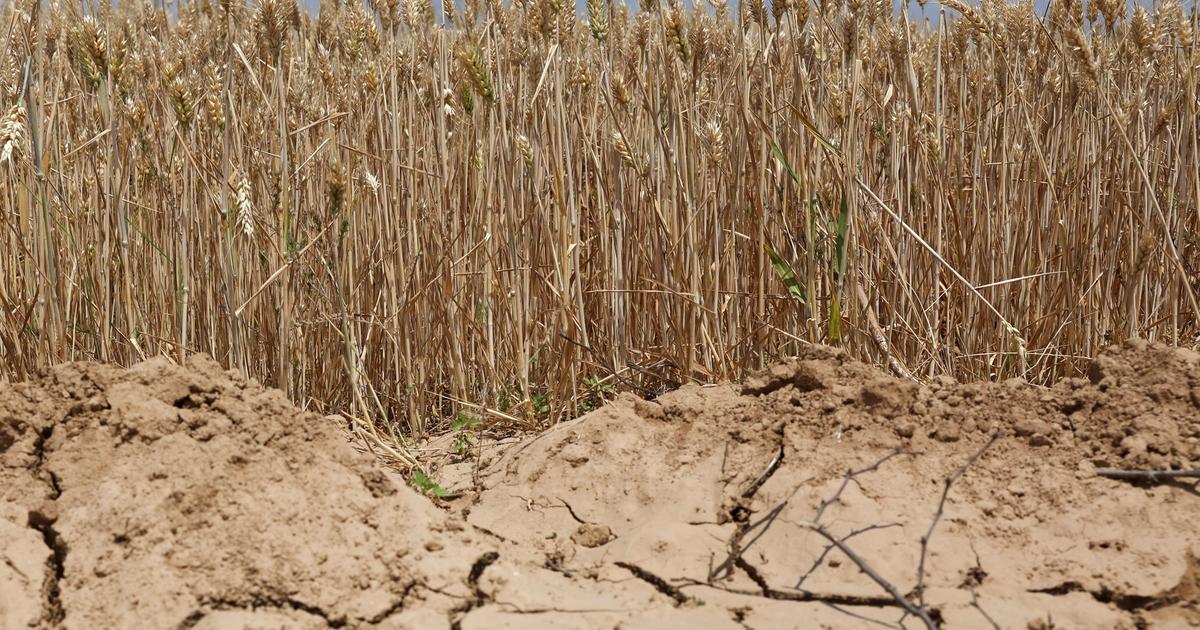
The Organization for Economic Cooperation and Development (OECD) warns that global warming is intensifying drought frequency and severity, with 25% of the world's land now drought-exposed, up from 10% in the early 20th century. The report highlights that water shortages contribute to a third of natural disaster deaths and threaten food security. Crucially, it projects a potential $10 return for every $1 invested in drought resilience measures like water management and climate-resilient farming, underscoring significant economic incentives for proactive investment in this critical area.
A new report from the Organization for Economic Cooperation and Development (OECD) quantifies a significant escalation in global drought risk, with the land mass exposed to drought having increased from 10% in the early 1900s to 25% today. This trend, attributed to climate change altering rainfall patterns, presents a severe threat to both human life and economic stability, as water shortages are cited as the cause for one-third of all deaths from natural disasters and a critical disruptor of food production. Crucially, the report reframes this risk as a compelling investment thesis, arguing that every dollar allocated to drought resilience—specifically in water management, climate-resilient farming, and conservation—could yield a $10 return by mitigating the impact of future droughts. This finding provides a strong economic rationale for institutional capital to flow into sectors focused on water security and climate adaptation.
AI-powered research, real-time alerts, and portfolio analytics for institutional investors.
Request DemoOverall Sentiment
moderately negative
Sentiment Score
-0.50
