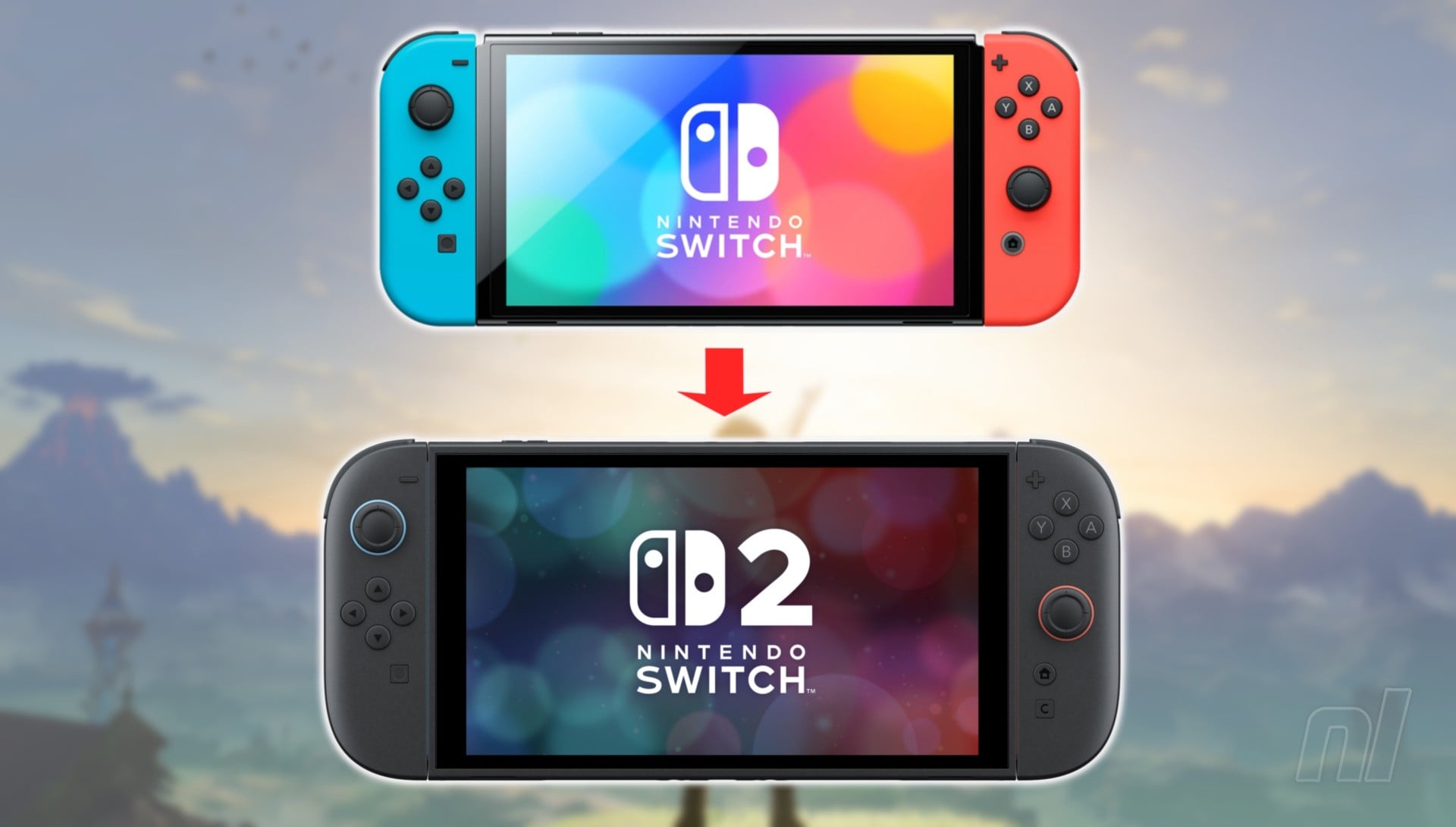
Nintendo rolled out a new batch of Switch 2 backward-compatibility fixes covering heavy hitters such as Kirby’s Return to Dream Land Deluxe, Final Fantasy XII: The Zodiac Age and DOOM (2016), plus a list of other titles. The company also identified progression issues in several games (including Teenage Mutant Ninja Turtles: Mutants Unleashed) and noted a few titles that work but have play issues (Pizza Tower: graphics; Laysara: touch). These changes accompany the recent Switch 22.0.0 update that added handheld boost mode for Switch 2.
Improving backwards compatibility is a low-capex way for a platform owner to extract more lifetime value from an installed base; expect measurable lift to digital attach and engagement metrics over the next 3–12 months as friction falls and older catalog titles regain discoverability. Assuming even a modest 3–6% incremental uplift to eShop revenue from higher session times and lower churn, the margin flow mostly accrues to the platform owner and to first-party IP holders, compressing the relative upside for third-party remasters and paid re-releases.
A second-order effect is changed porting economics: with reliable compatibility, third parties face weaker pricing power for paid “native” ports because consumers can keep playing existing purchases. That creates a two-tier opportunity set—studios that quickly deliver true-native enhancements capture premium pricing, while others see muted monetization, creating dispersion across publishers’ near-term revenue (2–8% downside for remaster-reliant mid-caps in the coming 12 months if adoption skews toward compatibility fixes).
On the supply chain side, software fixes reduce near-term demand volatility for new peripheral SKUs but increase the strategic importance of SoC and firmware partners who provide long-term compatibility toolchains—this favors entrenched silicon partners with ongoing dev support contracts. The main drawdown risks are execution — a high-profile progression regression or wave of buggy ports ahead of key holiday releases could reverse sentiment in 0–3 months and trigger refund / goodwill costs that bite services revenue.
Key catalysts to watch: (1) consumer complaints and refund volumes over the next 60 days, (2) holiday attach-rate trends vs prior-year, and (3) publisher release schedules for native ports. A clean run through these catalysts favors platform upside; a hiccup in any likely produces a fast, headline-driven re-rating within weeks.
AI-powered research, real-time alerts, and portfolio analytics for institutional investors.
Request DemoOverall Sentiment
neutral
Sentiment Score
0.00
