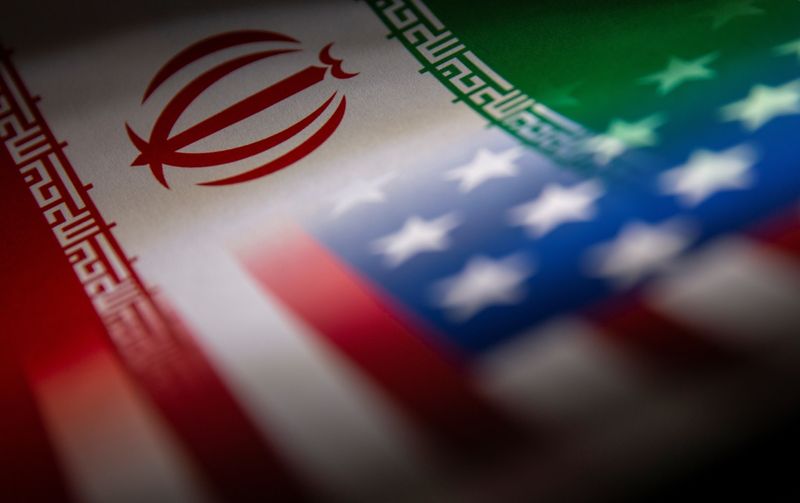
U.S.-Iran peace talks remain uncertain as a two-week ceasefire nears expiration, with conflicting reports on whether Vice President JD Vance is heading to Pakistan for negotiations. Tensions escalated after the U.S. seized an Iranian-flagged vessel in the Gulf of Oman and Iran again signaled opposition to further talks, citing excessive U.S. demands and an ongoing naval blockade. The renewed risk drove oil prices higher and raises the chance of further volatility in energy and shipping markets.
The market is reacting less to the diplomacy headlines than to the credibility gap they create. When a ceasefire is kept alive by mixed signaling and maritime enforcement, energy traders stop pricing a clean peace dividend and start pricing a rolling tail-risk premium: not a permanent supply loss, but a higher probability of intermittent disruption, delayed loadings, and insurance/route frictions. That tends to support prompt crude and front-end refined products more than the back end, because the shock is about near-term flow uncertainty rather than a structural demand reset.
The bigger second-order effect is on transport and logistics, not just oil beta. Even a partial tightening in Gulf shipping raises voyage times, war-risk premia, and vessel availability, which can ripple into LNG, refined product arbitrage, and tanker utilization. Names with asset-light exposure to freight rates can outperform pure commodity exposure if the market starts paying for capacity scarcity rather than only headline crude prices.
The contrarian angle is that the setup may be overreacting to a tactically noisy but strategically familiar pattern: escalation into bargaining, then de-escalation before meaningful infrastructure damage. If so, the best risk/reward is not outright chasing energy here, but owning optionality into a spike while fading the idea of a durable embargo. The key catalyst window is days, not months; if there is no hard confirmation of resumed talks or safe passage within 3-5 sessions, the market will likely reprice higher volatility and wider differentials even if spot crude only grinds modestly.
AI-powered research, real-time alerts, and portfolio analytics for institutional investors.
Overall Sentiment
moderately negative
Sentiment Score
-0.35
Ticker Sentiment
