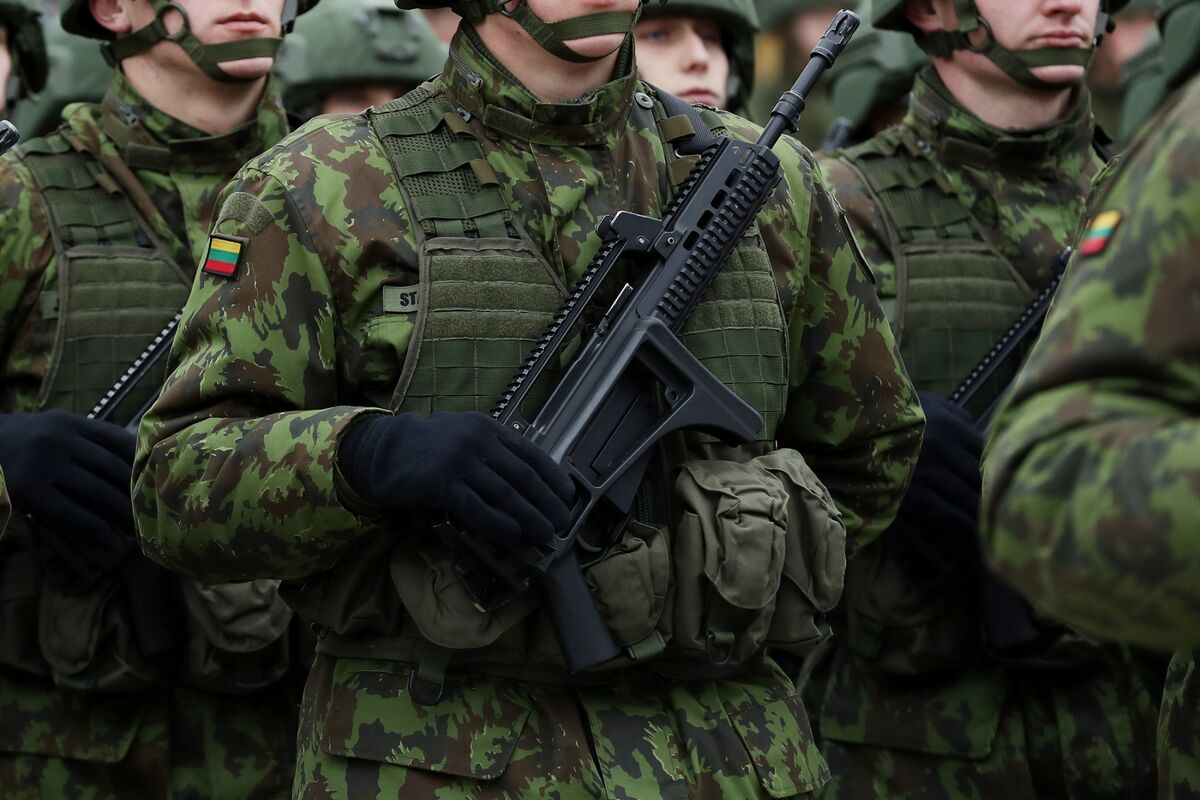
Lithuania is exploring a visiting forces agreement with the Philippines to enhance security cooperation and enable its participation in annual US-Philippines military exercises, explicitly criticizing Beijing's South China Sea assertiveness. This initiative by a Baltic state indicates a deepening of international engagement in Indo-Pacific security, signaling evolving geopolitical alignments and potential implications for regional stability.
Lithuania is actively pursuing deeper security ties with the Philippines, signaling a notable expansion of a European nation's strategic interests into the Indo-Pacific. The proposal for a visiting forces agreement is a concrete step aimed at enabling Lithuanian participation in annual US-Philippines military exercises, a move that directly aligns the Baltic state with the US-led security architecture in the region. This development is explicitly framed in opposition to Beijing, with Lithuania's Defense Minister openly criticizing China's conduct in the South China Sea. While Lithuania's military contribution is modest, its diplomatic and symbolic engagement represents a broadening of the coalition of nations concerned with regional security. This event, categorized under 'Geopolitics & War', underscores a trend of smaller states taking positions in great-power rivalries, which could incrementally increase regional tensions despite its currently low direct market impact.
AI-powered research, real-time alerts, and portfolio analytics for institutional investors.
Request DemoOverall Sentiment
neutral
Sentiment Score
0.00
