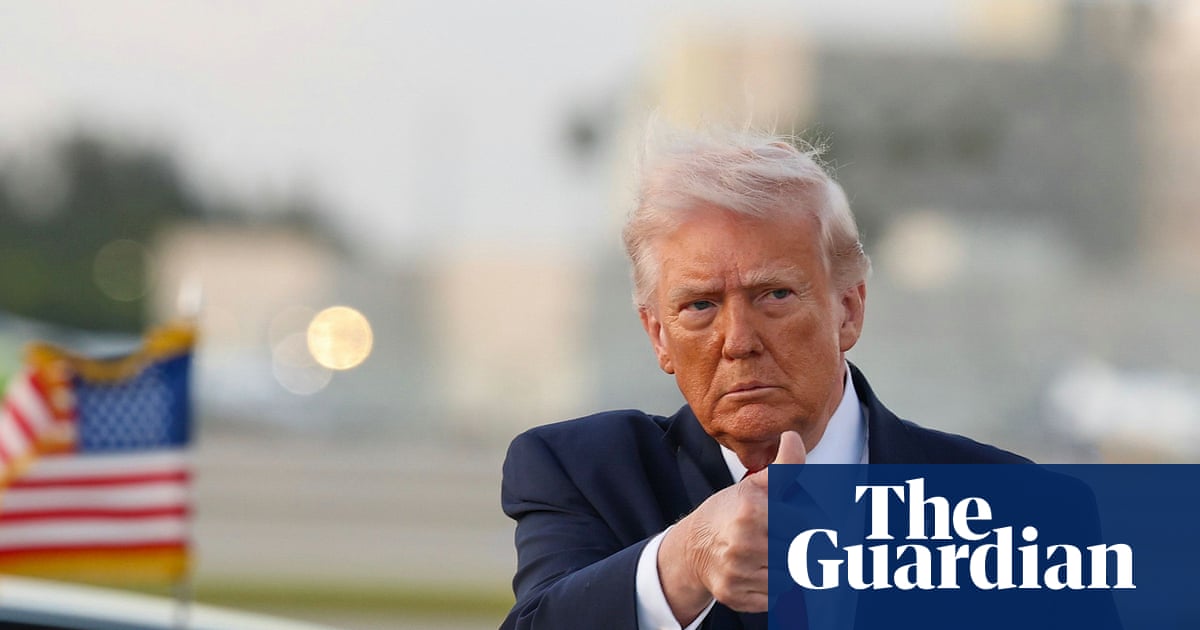
Trump said the US will begin blockading the Strait of Hormuz and threatened to bomb Iranian water treatment facilities, power plants, and bridges after 21 hours of peace talks in Islamabad collapsed. The escalation raises the risk of disruption to a key global energy chokepoint and could ripple through oil, shipping, and broader risk assets. Iran reportedly refused to abandon its nuclear weapons program, leaving the standoff unresolved.
A blockade threat against Hormuz is an asymmetric shock because the market does not need an actual closure to reprice global energy, freight, and insurance. The first-order move is higher crude, but the more durable trade is in downstream margin compression: refiners, airlines, chemical producers, and industrials with oil-linked input costs will feel the squeeze before headline energy benchmarks fully settle. In a stressed tape, liquidity usually concentrates into defense, domestic logistics, and large-cap integrated producers while smaller, capital-intensive importers underperform. The second-order winner is not just oil, but the entire security supply chain: missile defense, naval systems, surveillance, and hardened infrastructure all get pulled forward in procurement time. If this escalates, the fiscal response can be more durable than the market expects, since governments rarely wait for de-escalation before funding redundancy, inventory buffers, and critical infrastructure protection. That creates a multi-month tailwind for defense primes and select industrials tied to grid resilience, ports, and water systems. The key risk is that the market may initially overprice a full blockade scenario while underpricing diplomatic off-ramps and operational limits. Even a partial disruption tends to be enough to move oil and freight sharply for days to weeks, but the premium can collapse quickly if maritime traffic normalizes or if the threat is absorbed into the geopolitical background. Conversely, if shipping insurers pull back and tanker availability tightens, the impact can persist for quarters through higher delivered costs rather than just spot energy prices. The contrarian view is that this may be a volatility event more than a regime change unless there is sustained enforcement at sea. That means the cleanest opportunity is not chasing the most obvious energy longs after the initial gap, but positioning for relative underperformance in transport and consumer cyclicals versus defense and energy. The risk/reward improves if the market has not yet fully repriced shipping insurance, rerouting costs, and strategic stockpiling, which are often the real P&L transmission channels.
AI-powered research, real-time alerts, and portfolio analytics for institutional investors.
Request DemoOverall Sentiment
strongly negative
Sentiment Score
-0.78
