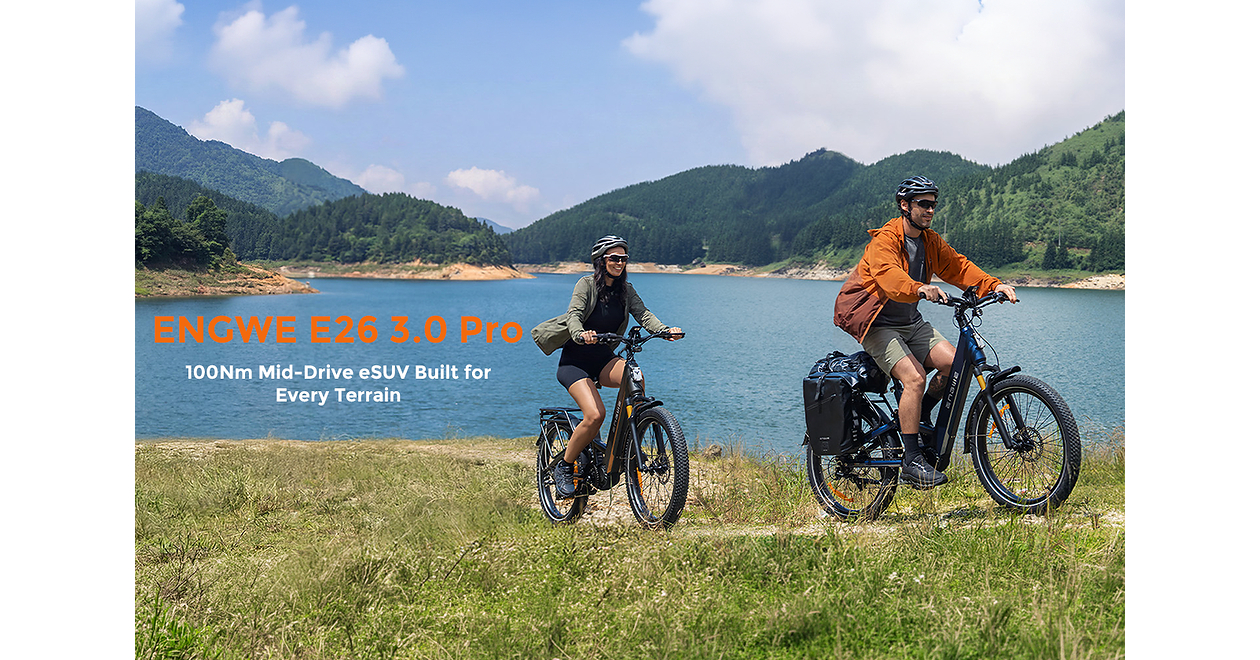
ENGWE kündigt das eSUV-E-Bike E26 3.0 Pro an, das am 29. Juli auf den Markt kommt. Das Modell kombiniert ein 100-Nm-Mittelmotorsystem und einen Viergelenk-Vollfederungsrahmen mit integrierten smarten Fahrtechnologien wie GPS-Tracking, Bewegungserkennung, App-Konnektivität und Fahrüberwachung, um sowohl Asphalt als auch gemischtes Terrain abzudecken. Die Nachricht positioniert ENGWE im wachsenden All-Road-/E-SUV-Segment, enthält aber keine Preis- oder Absatzzahlen und dürfte daher kurzfristig nur begrenzten Kursimpuls haben.
This reads as a premiumization signal more than a near-term earnings event. The economic winner is not the brand launching the product so much as the mid-drive, suspension, anti-theft, and connectivity layers that monetize a higher-ASP bike; in Europe, that tends to favor component ecosystems over low-end assemblers. If the category gains traction, the second-order effect is a shift from pure unit growth to mix-driven margin expansion, which is more durable but also more fragile if consumer spending softens.
Near term, the launch itself is mostly marketing until pricing and dealer sell-through are visible. The key 1-3 month catalyst is whether retailers treat these "all-road" bikes as a replacement for standard commuter inventory or as a niche add-on; if the latter, channel inventory could build quickly and compress margins across the broader e-bike set. Watch for warranty/repair friction too: integrated software and higher-torque systems raise after-sales service costs, which often show up after the initial preorder enthusiasm fades.
The contrarian view is that the "SUV bike" framing may be ahead of actual demand. Europe’s subsidy backdrop is less supportive than during the peak cycling boom, so the category needs real consumer willingness to pay for versatility rather than just better branding. A sustained move only matters if the premium is modest and the product broadens the buyer base; if it is overpriced, the more likely outcome is share rotation within existing cycling demand rather than true market expansion.
AI-powered research, real-time alerts, and portfolio analytics for institutional investors.
Overall Sentiment
mildly positive
Sentiment Score
0.15
