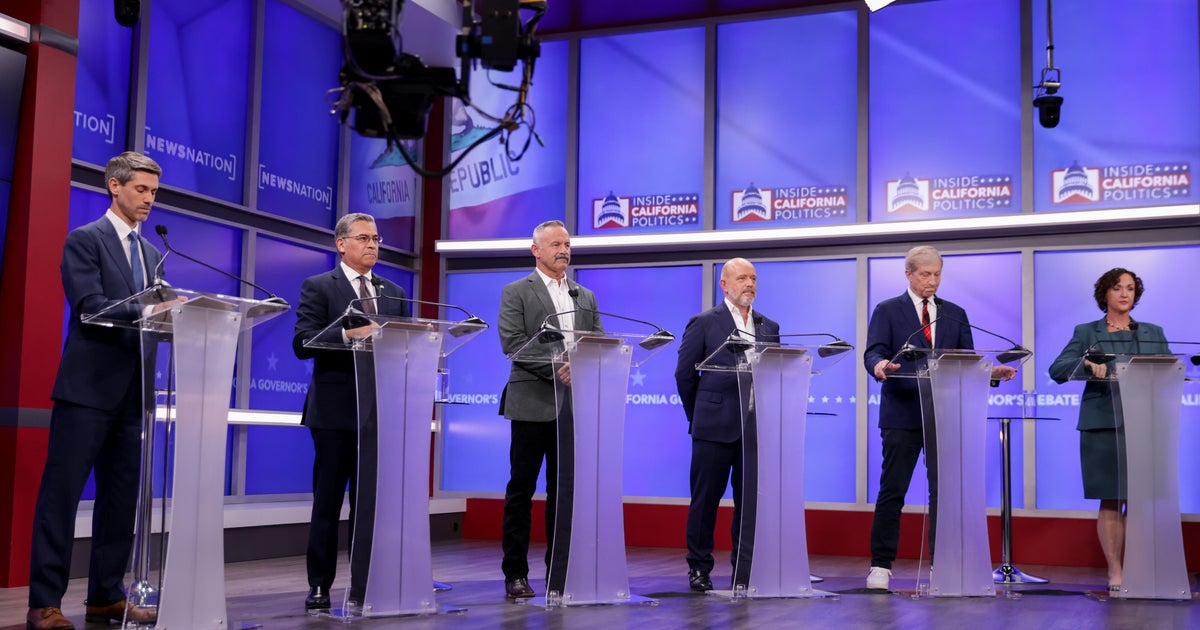
California voters in the governor’s race are focused on a cost-of-living backdrop they increasingly view as unmanageable, with gas prices, inflation, housing, and taxes ranking near the top of voter concerns. The race remains highly fractured, with undecided voters outnumbering any single candidate and the leading candidates only in the mid-teens. The article is primarily political and polling-based, with limited direct market impact beyond sentiment around California policy priorities.
The near-term market read-through is not about California policy details; it is about the probability distribution of who controls the governor’s race narrative. A fragmented field with high undecided share raises tail risk of a Republican-only runoff outcome, which would materially change expectations for housing, labor, energy, and tax policy in the state. That outcome is not the base case, but the market should treat it as an increasingly plausible option over the next 4-8 weeks if Democrats remain split and turnout underperforms among lower-conviction voters.
The most investable second-order effect is on housing and construction exposure rather than broad California beta. If the race coalesces around a pro-housing Democrat, that supports incremental sentiment for builders, land banks, title/escrow, and local infrastructure names, but the payoff is delayed because zoning and permitting are multi-year friction points. By contrast, a Republican upset or a weaker-than-expected Democratic showing would likely reinforce “California premium” skepticism, pressuring consumer-facing and labor-intensive businesses with heavy in-state exposure via the expectation of slower regulatory relief and more tax friction.
The ICE-specific takeaway is modestly negative but not operationally immediate. Public hostility to federal immigration cooperation in California raises the odds of continued political friction with state agencies and a louder enforcement debate, which can keep immigration-adjacent policy volatility elevated. However, the larger overhang for ICE is not this one race; it is whether state-level politics become a bellwether for broader 2026 messaging on borders and enforcement, which could affect contract wins and public-sector sentiment over a 6-12 month horizon.
Consensus may be underestimating how little a debate or single headline can move final vote shares in a structurally low-information primary. The bigger variable is turnout composition: unsatisfied independents are the marginal non-voters, so any late momentum could still fail to translate into ballots. That argues for paying more attention to early-vote and mail-ballot trends than to polling deltas alone; the tradeable event is not the debate, but whether one faction consolidates before ballots lock in.
AI-powered research, real-time alerts, and portfolio analytics for institutional investors.
Request DemoOverall Sentiment
mildly negative
Sentiment Score
-0.10
Ticker Sentiment
