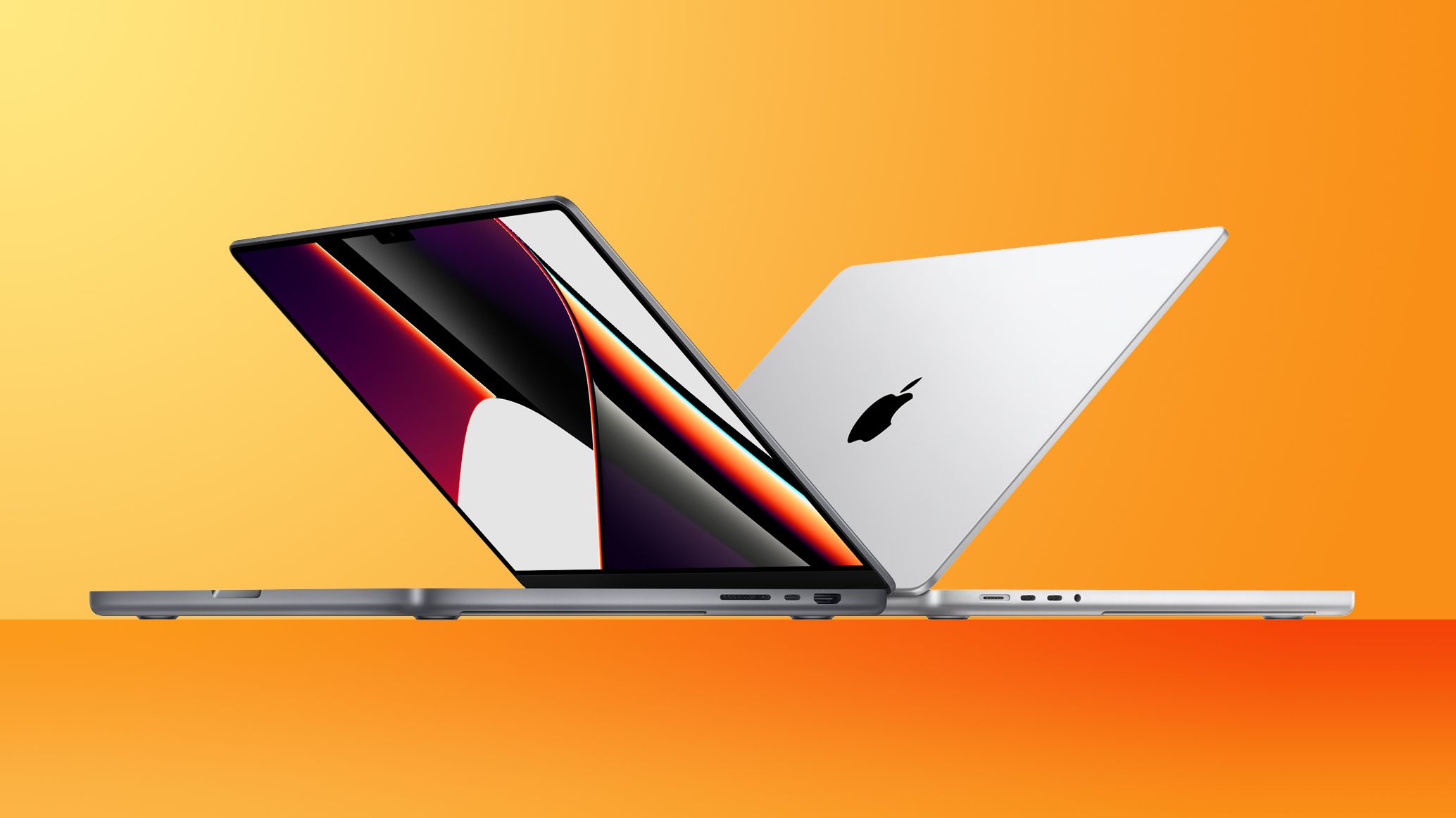
Apple’s next MacBook Pro launch may slip to early 2027, and the next Mac Studio is now expected around October this year, both delayed by the global memory chip shortage. The high-end MacBook Pro refresh is expected to add touch-screen support, M6 Pro/M6 Max chips, OLED, Dynamic Island, and a thinner design, while the Mac Studio upgrade centers on M5 Max and M5 Ultra chips. The news is directionally negative for timing, but the impact is likely limited to Apple product-cycle expectations rather than near-term fundamentals.
This is less about one delayed product and more about a sequencing problem across Apple’s premium hardware roadmap. A slip in the high-end Mac refresh window pushes revenue recognition further into a period where iPhone and Services already dominate the mix, which modestly reduces near-term narrative support for AAPL but is unlikely to change the long-term thesis unless the delay cascades into broader silicon constraints. The bigger second-order effect is inventory ordering discipline: if Apple is the anchor customer in advanced packaging and panel ecosystems, any deferral can create a temporary air pocket in demand for upstream suppliers that had been front-running the launch cycle.
For the supply chain, the most exposed areas are the differentiated component vendors tied to premium Mac feature content, especially display and advanced chip packaging names. If the launch slips from late-2026 into early-2027, the market may be too eager to price in a clean catch-up later; in reality, supplier revenue recognition often lags by 1-2 quarters and OEM qualification cycles can rephase bookings again. That makes this a timing trade, not a structural thesis break: the bear case is weaker shipments in the next two quarters, not a permanent demand loss.
The contrarian read is that a delay may actually improve gross margin optics for Apple if it prevents a rushed launch into a constrained supply environment. That means the stock reaction could remain muted unless investors start extrapolating the shortage into iPhone or broader Mac family constraints. The better expression is likely relative-value: short the components with the most launch sensitivity, not AAPL itself, unless there is evidence the shortage is broadening beyond these two product lines.
AI-powered research, real-time alerts, and portfolio analytics for institutional investors.
Request DemoOverall Sentiment
mildly negative
Sentiment Score
-0.20
Ticker Sentiment
