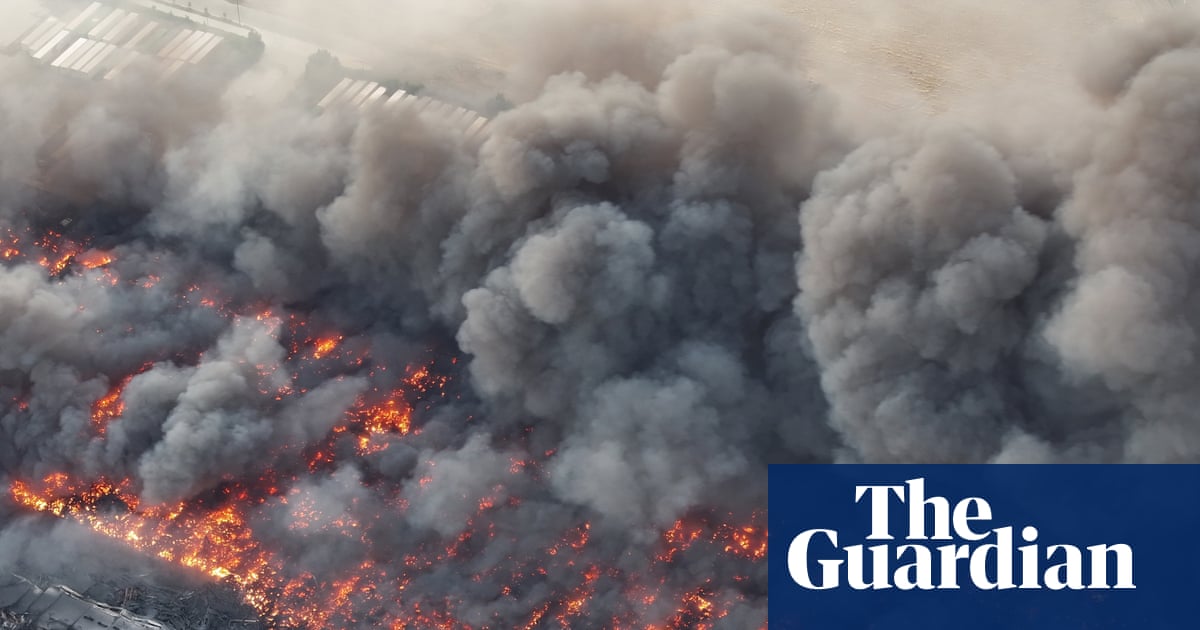
A fire destroyed Medline’s 1 million sq ft warehouse complex in Tracy, California, with authorities warning it may take days to extinguish and could involve toxic hazards. The blaze spread to a FedEx facility, forced evacuations of nearby sites, and disrupted an industrial park that also houses Amazon, Home Depot and FedEx operations. No injuries were reported, but the incident is a material supply-chain and logistics disruption while the cause remains under investigation.
The immediate market read is not about the destroyed box inventory; it is about resilience testing across a critical logistics corridor. A single-site water-system failure in a high-wind event exposes how much of modern distribution is effectively “just-in-time plus fragile utilities,” which raises the probability of renewed underwriting scrutiny for industrial REITs, third-party logistics contracts, and tenants with concentrated fulfillment footprints. Near term, the biggest second-order winner is likely alternate capacity owners with dry, redundant, inland inventory nodes that can absorb diverted volume for days to weeks.
For the named names, FDX is only modestly exposed operationally, but the event is a reminder that parcel networks depend on clustered hubs and shared industrial infrastructure; any temporary rerouting, cleanup, or local access restriction creates low-margin disruption without necessarily changing long-term demand. AMZN and HD should see little direct earnings effect, yet the incident supports a broader thesis that large retailers will pay up for multi-node redundancy and climate-hardened sites, which is mildly inflationary for logistics expense and lease rates over the next 12-24 months.
The real tail risk is not the fire itself but the follow-on regulatory and insurance response: if toxic smoke, water-system failures, or hydrant pressure issues become politically salient, expect stricter warehouse siting, sprinkler, and water-reserve requirements in California logistics markets. That would increase replacement cost and slow new supply, which is bullish for existing industrial landlords and for operators that already invested in resiliency. The contrarian point is that the incident is likely too small to move the tape in the tickers mentioned, so fading any knee-jerk dip in FDX is more attractive than chasing a broad short across logistics.
AI-powered research, real-time alerts, and portfolio analytics for institutional investors.
Request DemoOverall Sentiment
moderately negative
Sentiment Score
-0.45
Ticker Sentiment
