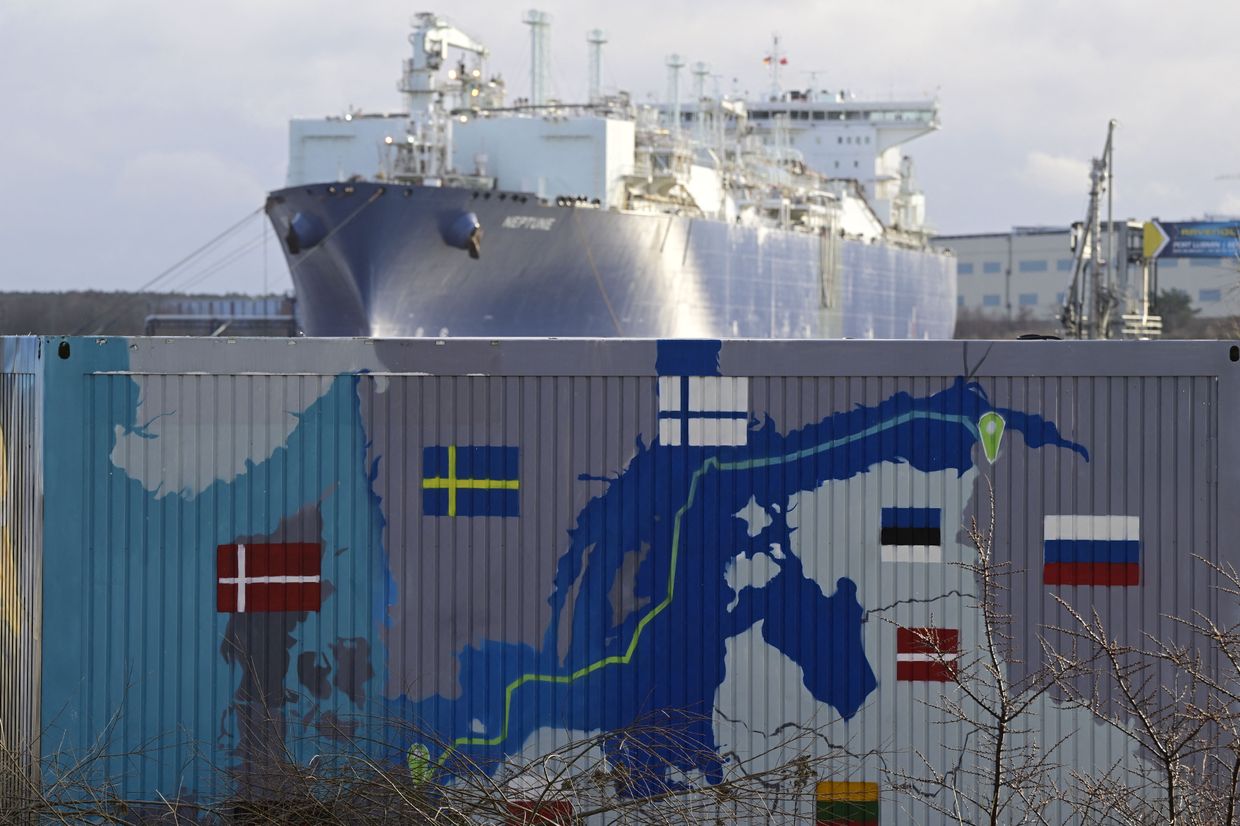
EU energy ministers have agreed to a phased ban on Russian gas imports, targeting a full cessation by January 1, 2028, in response to Russia's weaponization of energy supplies and to reduce its war financing. Despite the EU remaining the largest importer of Russian LNG, the ban will commence January 1, 2026, with grace periods for existing contracts. While Hungary and Slovakia oppose the measure due to their reliance on Russian energy, the plan includes provisions for landlocked states to adjust existing contracts and develop diversification strategies. This move signifies a major restructuring of Europe's energy supply, increasing scrutiny on Russian gas flows and impacting regional energy security.
The European Union has formally agreed to a phased ban on Russian gas imports, targeting a complete cessation by January 1, 2028, in response to Russia's "weaponization" of energy supplies. This strategic move, part of the REPowerEU roadmap, aims to bolster Europe's energy security and resilience while reducing financial support for Russia's war efforts. The initial phase of the ban is set to commence on January 1, 2026, with provisions for existing contracts. Despite the impending ban, the EU remains the largest importer of Russian liquified natural gas (LNG), having purchased nearly €5 billion ($5.8 billion) in the first half of 2025, a €1 billion increase year-over-year. The transition includes grace periods allowing short-term contracts (concluded before June 17, 2025) to run until June 17, 2026, and long-term contracts until the 2028 deadline. This gradual approach acknowledges the current reliance and the need for market adjustments. The agreement faced opposition from Hungary and Slovakia, which cited their landlocked status and concerns over energy security, despite Brussels proposing alternative supply routes. To address these specific challenges, the regulation includes flexibilities for landlocked member states to adjust existing contracts with Russia and mandates the submission of diversification strategies. Additionally, increased scrutiny, including a prior authorization regime and proof of origin for mixed LNG cargoes, will be implemented during the transitional period.
AI-powered research, real-time alerts, and portfolio analytics for institutional investors.
Overall Sentiment
moderately positive
Sentiment Score
0.60
