
Trump's hopes for an Iran peace deal come with caveats
Source: BBC
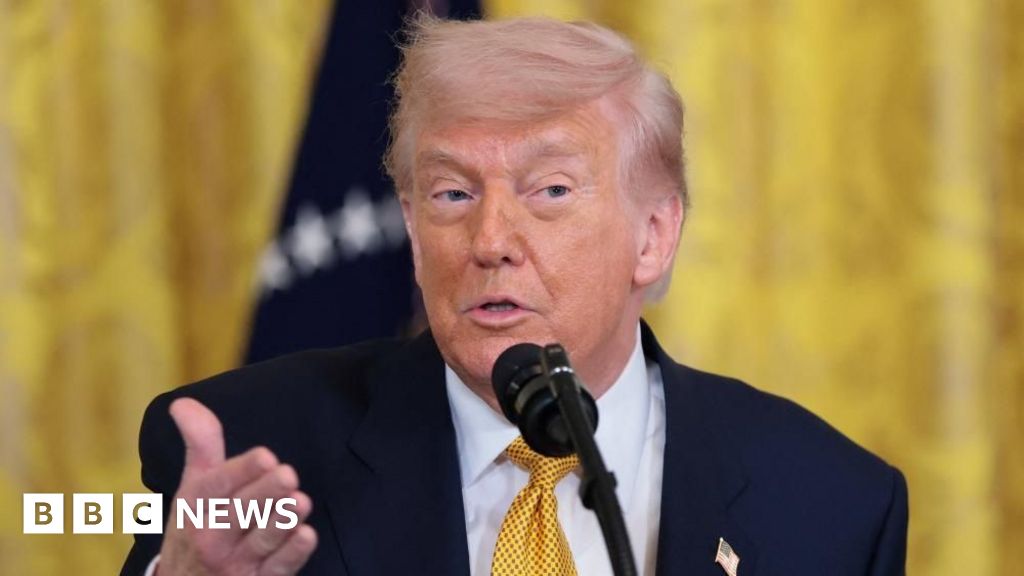
Trump paused the short-lived "Project Freedom" Strait of Hormuz shipping operation while signaling progress toward a potential Iran deal, which briefly soothed oil markets. However, he later warned that bombing could resume at a much higher level if talks fail, and reported proposals remain only a one-page, 14-point memorandum with major unresolved issues around sanctions relief, Hormuz access and Iran's nuclear program. The story implies elevated geopolitical risk for energy markets and global shipping, but no confirmed agreement yet.
Analysis
The market should treat this as a volatility event, not a clean regime change. The fastest path is still a headline-driven unwind in geopolitical risk premium, but the path dependence matters: if talks stall, the market can quickly re-price the Strait of Hormuz as a recurring disruption channel rather than a one-off shock. In that scenario, the first-order move is higher crude and tanker rates; the second-order effect is tighter refining margins outside the Gulf and a wider dislocation between prompt and deferred energy contracts.
The bigger implication is that logistics, not just oil, becomes the transmission mechanism. Even a partial normalization lowers the immediate tail risk embedded in marine insurance, rerouting costs, and inventory precautionary buying, which benefits importers and global transport-sensitive sectors more than it helps broad equities. But if the process collapses, the congested-shipping effect can persist for weeks because fleets reoptimize slowly; that creates a window where freight equities can outperform longer than spot oil.
Consensus is likely overestimating how quickly any agreement would translate into durable supply normalization. A memorandum, if real, is only the start of a sequencing problem: sanctions relief, nuclear verification, and maritime security are separate checkpoints, and each can fail independently. That makes near-dated options on energy and shipping a better expression than outright directional cash equity bets, because the market is paying for headline optionality while underpricing the probability of a fast reversal.
Contrarian angle: the deal narrative may be less bullish for U.S. integrateds than for refiners and transport names. Lower crude without a corresponding decline in product cracks can actually improve downstream margins, while a rapid easing in shipping risk compresses insurance and freight premiums faster than it compresses upstream earnings. The asymmetry is to own businesses that benefit from lower input costs or normalization of trade frictions, while hedging the upside tail in crude with defined-risk structures.
AllMind Terminal
AI-powered research, real-time alerts, and portfolio analytics for institutional investors.
Request TrialMarket Sentiment
Overall Sentiment
neutral
Sentiment Score
0.05
Key Decisions for Investors
- Buy 1-2 month call spreads on USO or XLE to express a headline-driven reversal in Iran risk; risk/reward favors limited premium outlay because the market can reprice on any failed negotiation within days.
- Long FRO or TNK vs short XLE as a relative-value hedge if maritime disruption persists; tanker utilization and freight rates can remain elevated for 2-6 weeks even if crude mean-reverts.
- Initiate a pair trade: long downstream names (VLO, MPC) / short upstream beta (XOM, OXY) for 1-3 months; if crude eases on diplomacy, refiners can hold margin while E&Ps lose direct commodity exposure.
- Sell upside in overextended defense/security names only on strength, or hedge with put spreads, because a successful deal would likely compress the 'event premium' faster than fundamentals deteriorate.
- For risk control, keep a tactical long in Brent call spreads rather than futures; if talks fail, payoff is convex, while if a deal advances, max loss is known and modest.
More News
- Qatar Says LNG Damage May Take Years to Repair
- The economy has undergone a structural transformation that ended the low-cost era. ‘The regime change in inflation and interest rates is the outcome’
- U.S. urges Americans to reconsider Middle East travel as Iran tensions rise
- Qatar Works to Bridge Gap in US Iran Talks
- Why have US prosecutors labelled China’s Huawei a criminal enterprise?
- As high fuel costs force people to choose between filling up or buying groceries, Trump says ‘it’s a very inexpensive price to pay’ for the Iran war
From AllMind Research
- Anthropic IPO Preview: Valuation, Timing, and What to Watch
- Shein After the IPO: Venue, Valuation, and What Must Be Proved
- What AI Research Tools Should a Small Hedge Fund Buy First?
- AI in Asset Management: 2026 Statistics That Hold Up
- What is Broker Research and RMS Systems (And How to Actually Use Them)