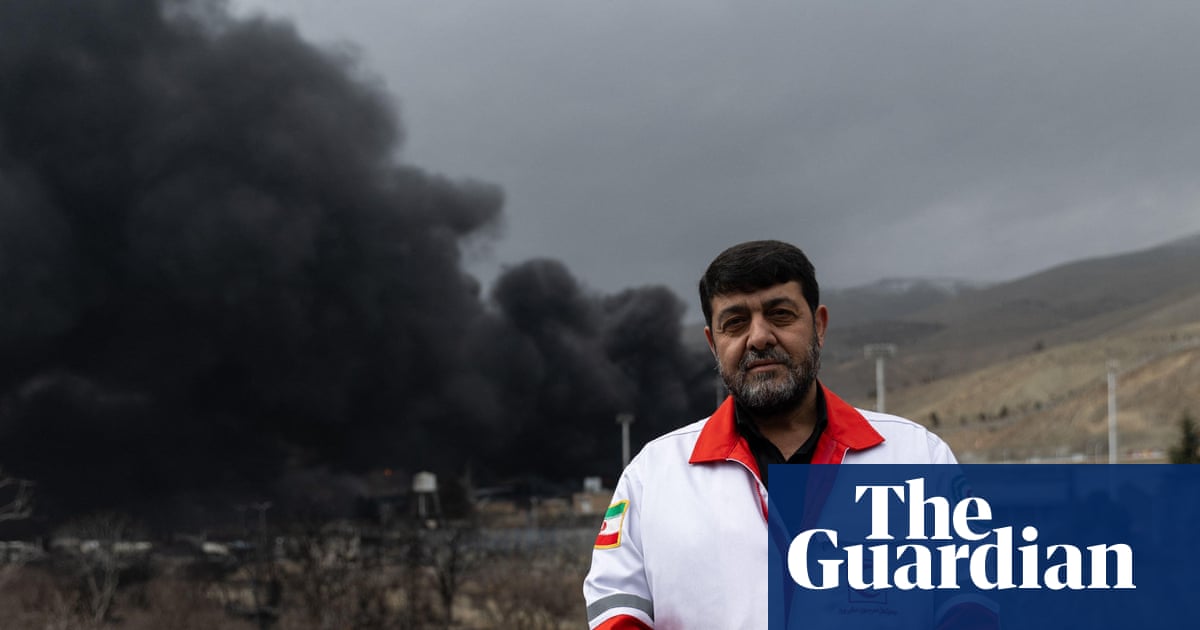
Bombing of multiple Iranian oil depots (notably Shahran and Shahr-e) has produced sustained fires, toxic 'black rain' and early signs of soil and water contamination, with WHO and Iranian health authorities warning of serious public‑health risks. The attacks and a string of regional strikes (Qatar LNG plant, Ras Tanura, Oman/UAE storage, tanker strikes) plus Bahrain's Bapco Energies declaring force majeure elevate the risk of oil supply disruption and a higher geopolitical risk premium on energy markets. Monitoring and remediation are hindered by conflict, internet restrictions and delayed satellite imagery, creating substantial uncertainty about the scale and duration of environmental and health impacts.
This shock elevates sovereign and corporate liability risk around hydrocarbon assets and fractures the information symmetry that underpins short-term commodity markets. Expect insurance/reinsurance premiums for Persian Gulf exposures and war-risk for tankers to rise immediately (weeks–months), producing outsized transitory benefits to owners of available tonnage and brokers who can reallocate capacity.
Environmental contamination creates a multi-year remediation liability that will be paid by a mix of state coffers, contractors and insurers — a slow-moving transfer that benefits specialized remediation contractors and water-treatment equipment suppliers while creating persistent tail risk for regional producers and state balance sheets. Cleanup timelines (years) also increase the probability of export disruptions as facilities are taken offline for inspection and soil/water remediation.
Market mechanics: in the near term (days–6 weeks) expect freight-rate spikes and wider crude differentials as cargoes reroute; in the medium term (1–6 months) crude prices will be sensitive to any real strikes on Arabian Gulf export infrastructure, but that path is binary — diplomacy or escalation will flip the price regime. Longer term (1–5 years) the episode accelerates corporates’ and insurers’ repricing of geopolitical premium on fossil assets, nudging capex and financing toward lower-carbon projects and greenfield LNG terminals outside the Gulf.
Catalysts to watch: high-resolution satellite confirmations and shipping AIS data (days) that would crystallize losses for insurers; formal force majeure declarations from Gulf refiners (days–weeks); US/UK diplomatic moves or strikes (weeks) that either cap escalation or trigger broader supply shocks.
AI-powered research, real-time alerts, and portfolio analytics for institutional investors.
Request DemoOverall Sentiment
strongly negative
Sentiment Score
-0.65
