

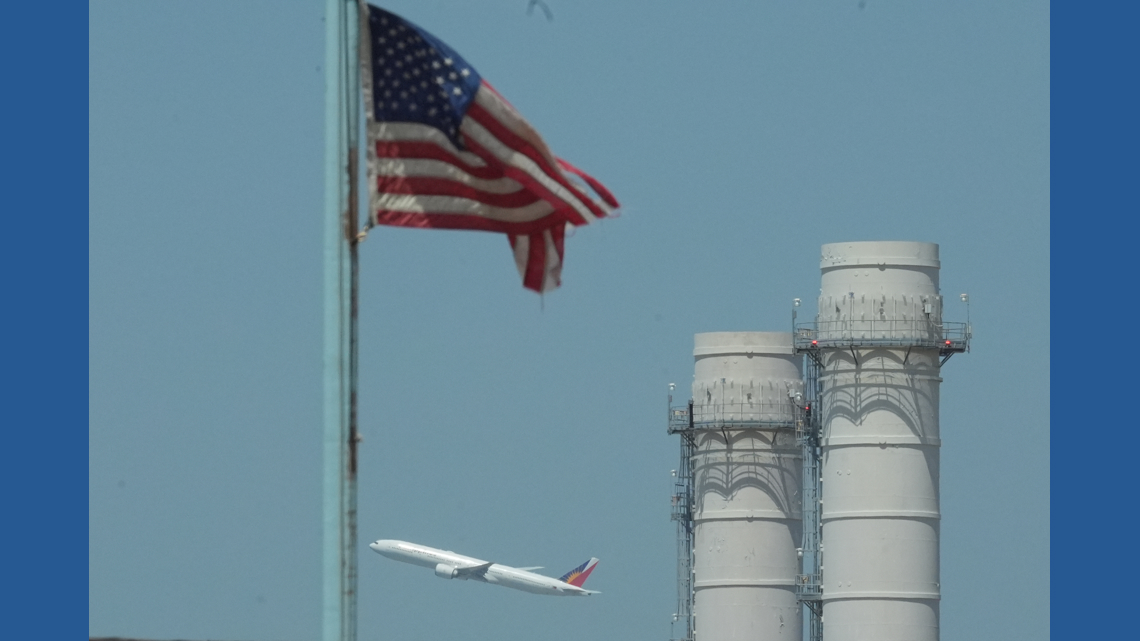
Jet fuel prices have surged from about $99 per barrel at the end of February to as high as $209 in early April, raising airfare and fee pressure across airlines and travelers. Air Canada plans to suspend JFK service from June 1 to Oct. 25 to reduce fuel costs, while several carriers including United, Delta, Air France-KLM, SAS, Philippine Airlines and Cathay Pacific have cut routes or raised prices. The article points to ongoing geopolitical risk from the Iran conflict and Strait of Hormuz uncertainty, which could keep travel costs elevated into the summer peak season.
The key market implication is not just higher airline fuel expense; it is a forced mix shift in capacity and pricing power toward the carriers with the strongest balance sheets and the least exposure to transatlantic leisure demand. Smaller international operators and weakly capitalized route networks are the most vulnerable because they cannot absorb fuel spikes by simply stretching aircraft utilization or temporary fare discipline. That creates a second-order winner set in adjacent ground transport, rail, and airport concession operators that capture travelers displaced from marginal air routes.
The more interesting setup is the lag between fuel costs and ticket realization. Airlines can reprice faster on near-term bookings than they can on already-sold inventory, so margin pressure is likely to peak over the next one to two quarters even if oil stabilizes immediately. If fuel stays elevated into the summer peak, expect ancillary fees to become the first lever before headline fares move materially higher, which means consumer frustration can rise before the revenue benefit shows up cleanly in reported yields.
The contrarian point: the market may be overestimating how durable the current fare spike is if the geopolitical premium in jet fuel fades quickly. This is a classic inventory and hedging timing problem—carriers with locked-in fuel hedges or route flexibility may actually outperform consensus fears, while those with limited hedges could still guide cautiously despite stable demand. The most asymmetric downside is not a prolonged travel recession; it is a sudden normalization in fuel prices that leaves airlines having over-tightened capacity and then competing aggressively for passengers into shoulder season.
For consumer-facing credit exposure, the card angle is more resilient than the travel demand headline suggests. Higher airfare and baggage fees increase the value proposition of points, card-linked discounts, and premium travel perks, which supports engagement and spend for issuers even if absolute travel volume softens. That makes the best read-through less about discretionary travel collapse and more about a transfer of wallet share from cash spend to rewards ecosystems.
AI-powered research, real-time alerts, and portfolio analytics for institutional investors.
Request TrialOverall Sentiment
mildly negative
Sentiment Score
-0.35
Ticker Sentiment
