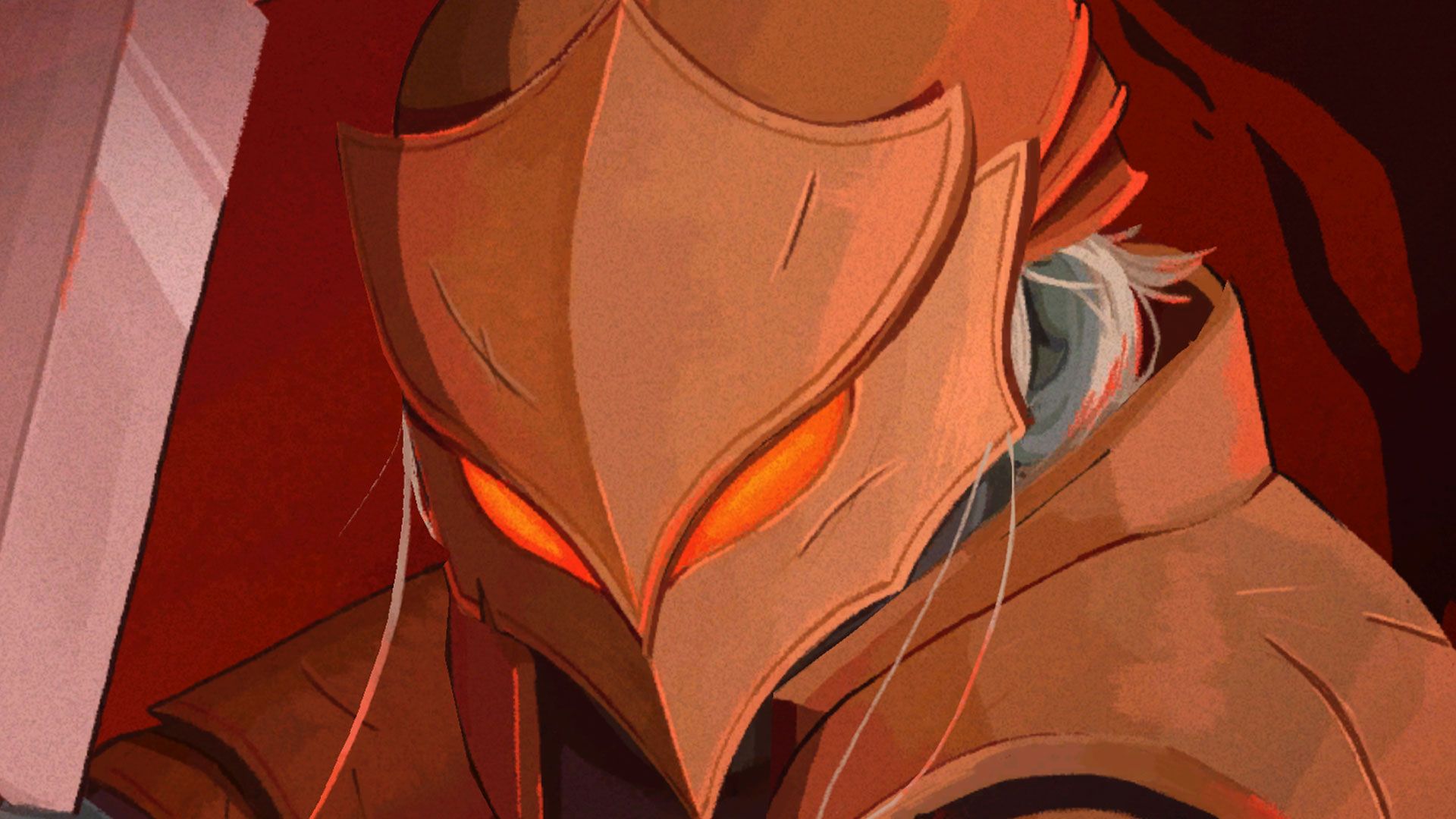
Mega Crit says Slay the Spire 2 will not use fixed deadlines, arguing that "exacting deadlines produce sloppy uninspired work" and that the studio prefers a small-team, iterative development process. The roadmap includes alternate Acts 2 and 3, Steam Workshop support, experimental modes, a new character, and new cards, events, relics, and potions, with no release dates provided. The update is a routine development note with limited market impact.
This is a quality signal more than a timing signal. In gaming, the highest-value franchises tend to accrue compounding engagement when teams protect design iteration over calendar-driven shipping, because retention, modding, and community trust are worth more than a one-off launch spike. That makes the relevant second-order effect not revenue timing, but lifetime value: slower, higher-quality updates can extend the monetization curve and reduce the probability of post-launch review decay that often damages discoverability for months.
The more interesting implication is competitive positioning versus the broader indie/deckbuilder cohort. A small team choosing process discipline over headcount suggests they are optimizing for product-market fit depth, not feature breadth; that tends to strengthen platform leverage on Steam where workshop support and experimental branches create a self-reinforcing feedback loop with user-generated content. The winners are adjacent titles and middleware ecosystems that benefit from a longer runway of community experimentation; the losers are faster-following clones that rely on cadence rather than durability.
From an investment lens, this is a micro version of the “ship quality, not promises” thesis that supports premium multiples for studios with cult IP and credible execution. The bearish counterpoint is that indefinite schedules can conceal organizational drift; if iteration becomes a substitute for decision-making, feature creep can erode margin and delay a broader franchise monetization window by 12-24 months. The key catalyst to monitor is whether early-access engagement remains sticky through the next 2-3 major updates; if concurrency holds while sentiment improves, the market will likely reward any public company exposed to similar live-ops economics.
Consensus may be overestimating the downside of missing dates and underestimating the upside of voluntary patience. In this segment, forced deadlines often create a bad product/marketing mix: a weak launch suppresses organic reach, while a delayed but better launch can re-rate the franchise and its DLC/mod ecosystem. The hidden risk is not slippage itself, but whether the studio’s refusal to scale headcount becomes a bottleneck once content complexity passes a certain threshold.
AI-powered research, real-time alerts, and portfolio analytics for institutional investors.
Request TrialOverall Sentiment
neutral
Sentiment Score
0.05
