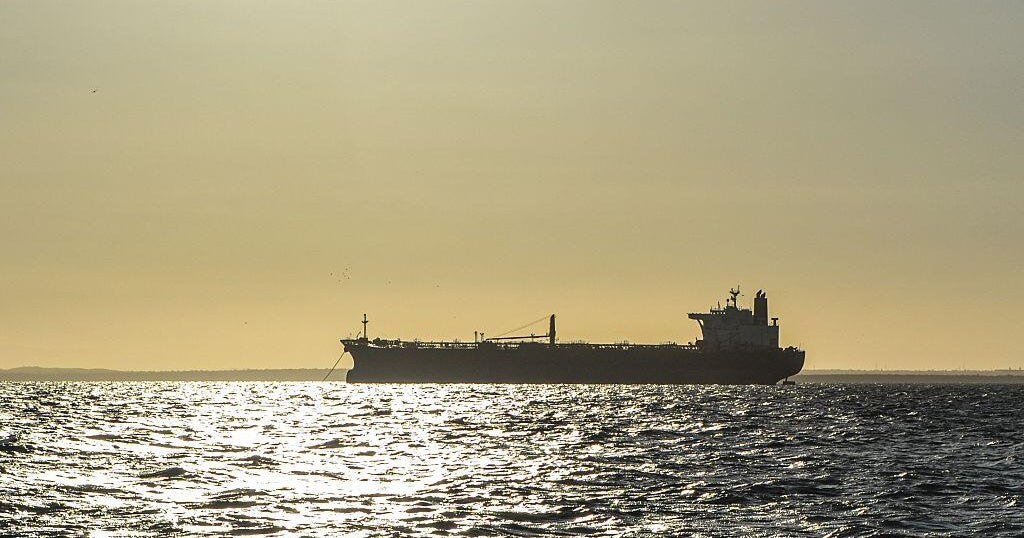
The U.S. Treasury sanctioned four companies and four associated oil tankers accused of supporting Venezuela’s Nicolás Maduro, targeting oil traders and a 'shadow fleet' used to evade sanctions; the administration has also seized two vessels and is pressing for blockades. The escalation raises the risk of further disruptions to Venezuelan crude shipments and shipping routes, heightening geopolitical risk for energy markets and traders exposed to Venezuelan oil or maritime logistics.
Market structure: Sanctions on Venezuelan-linked tankers raise downside pressure on seaborne heavy/sour barrels (Venezuela ~0.5–1.0 mbpd exported intermittently), tightening Atlantic heavy crude availability and benefiting majors with light-sweet output (XOM, CVX) and refineries buying light grades. Tanker rates for Aframax/Suezmax/VLCCs should spike intermittently as shadow-fleet transshipments and longer voyages increase voyage days; expect 10–30% moves in Baltic dirty tanker indices over weeks if seizures continue. Cross-asset: modest upside to Brent/WTI (>$3–$6) and wider EM credit spreads (Colombia, Peru) while safe-haven flows lift USD/T-bills and gold in risk-off episodes.
Risk assessment: Tail risks include military escalation or large-scale seizures that remove >200 kbpd from trade — such shocks could push Brent >$10/bbl in 2–6 weeks. Immediate (days): volatility in freight/incidental crude flows; short-term (weeks–months): price and margin squeezes for heavy-crude refiners; long-term (quarters): structural rerouting, insurance costs rising 20–40% for sanctioned-voyages. Hidden dependencies: insurers/reinsurers, Greek shipowners, and banks financing tankers are second-order sanction targets. Catalysts: additional SDN listings, US interdictions, or Russia/China offering alternative shipping/insurance pathways.
Trade implications: Direct: establish 1–2% long in XOM/CVX (split) for 3–6 months to capture crude-price upside and margin resilience; short 0.5–1.0% in PBF Energy (PBF) or Valero (VLO) if heavy-sour feedstock tightens. Options: buy a 3‑month Brent 3% OTM call spread (allocate 0.5% NAV) to limit cost and capture a $3–$8 move; close at 50% IV-adjusted gain or if Brent >$8 above entry. Rotate 1–3% from LatAm sovereign debt into short-dated US T-bills and gold ETFs (GLD) until flows normalize.
Contrarian angles: Consensus assumes permanent loss of Venezuelan barrels; that may be overdone — buyers in Asia (India/China) historically absorb sanctioned barrels via ship-to-ship and de-flagging, capping price upside after initial spike. Historical parallels (Iran sanctions 2018–20) show 3–6 month dislocations then substitution via alternative suppliers and higher freight; insurance costs rose but global supply adjusted. Unintended consequence: aggressive US interdictions could push Moscow/Beijing to formalize alternate insurance/clearance lanes, muting long-term premium — avoid large concentrated long positions until 60–90 days of regulatory direction clarify.
AI-powered research, real-time alerts, and portfolio analytics for institutional investors.
Request DemoOverall Sentiment
moderately negative
Sentiment Score
-0.35
