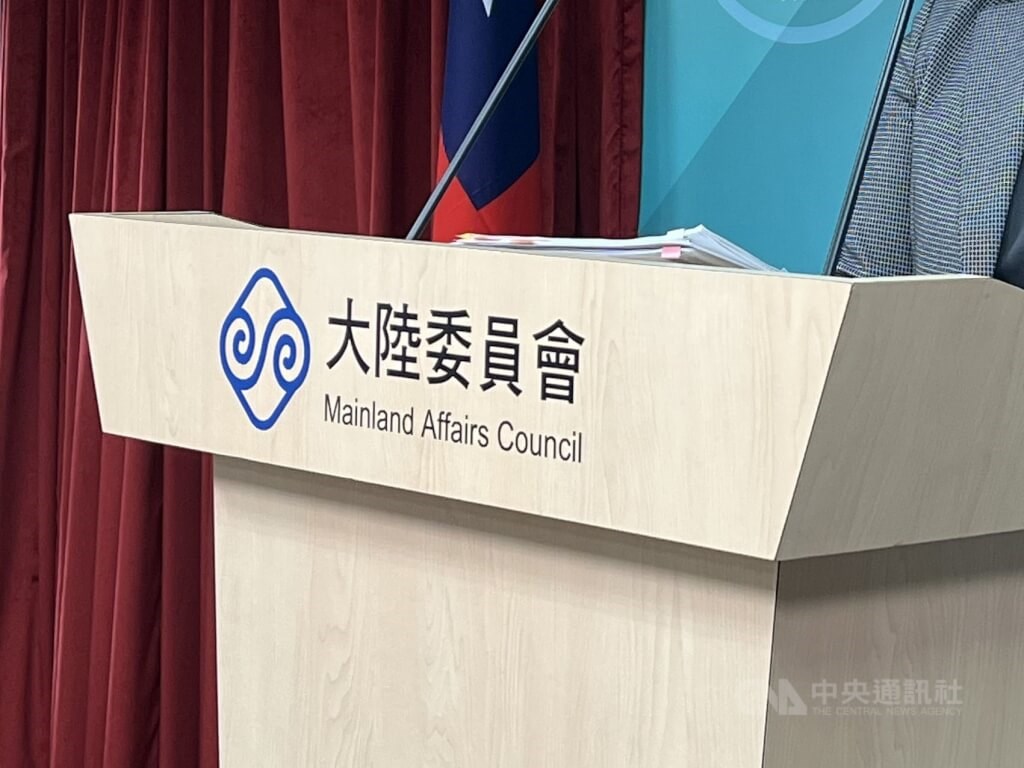
Beijing's public security authorities issued a reward notice seeking information to arrest two Taiwanese nationals accused of running a contraband smuggling ring using vessels including the Hong Tai 58, which was detained after damaging an undersea cable off Tainan. Taiwan's Mainland Affairs Council and Coast Guard condemned the notice as a 'political maneuver' and rejected Chinese jurisdiction; the Hong Tai 58's captain was previously sentenced to three years and is serving his term. The incident underscores ongoing cross-strait friction, maritime security risks and potential disruption to regional communications and logistics, but is unlikely to be immediately market-moving.
Market structure: The incident and Beijing's reward notice modestly raise risk premia on cross‑strait logistics and communications infrastructure. Winners: defense and cybersecurity contractors (e.g., RTX, LMT, PANW) should see 3–10% incremental demand for services over 6–18 months; losers: China‑registered shipping/logistics names (e.g., 1919.HK COSCO) and small Taiwan coastal carriers, which could face 5–15% higher insurance/premium costs and routing detours. Pricing power shifts will be small but persistent in regional freight and marine insurance; semiconductor manufacturing (TSM) exposure is more operational-risk sensitive than demand‑sensitive.
Risk assessment: Tail risks include a kinetic or blockade event causing semiconductor supply chain disruption — assign a 5–15% probability over 12 months — which would lift TW equity risk premia by 200–500bps and spike freight rates >30% in affected lanes. Immediate (days) impact is likely limited to a 1–3% risk‑off move in Taiwan equities and a 5–20bp TWD sovereign yield widening; short term (weeks/months) depends on reciprocal political moves. Hidden dependencies: undersea cable redundancy and cloud routing (AWS/GCP/Azure) are critical single points; a simultaneous cyber event would amplify disruption.
Trade implications: Tactical allocations: establish a 1–2% long position in RTX (or LMT) and buy 6–9 month 15–25% OTM call spreads sized to a 2% portfolio risk to capture defense upside if tensions rise. Hedge Taiwan equity exposure by buying 3‑month puts on EWT or a 5% notional put on TSM for downside >8% on escalation; consider short 1–2% exposure to COSCO (1919.HK) or a China shipping ETF to capture insurance/routing premium pain. Rotate 2–4% from China logistics into cybersecurity names (PANW, CRWD) over 1–3 months.
Contrarian angles: Markets may be under‑pricing infrastructure services that repair undersea cables — look for private/sub-scale vessel owners or listed telecoms providing repair services as 6–12 month longs if regional tensions persist. Conversely, a de‑escalation within 30–60 days would leave defense longs exposed; therefore size positions small (1–3% each) and use options to cap downside. Historical analog: 1996 Taiwan Strait crisis boosted defense spend but semiconductor secular growth resumed — use any >8–12% pullback in TSM as buy window with a 6–12 month horizon.
AI-powered research, real-time alerts, and portfolio analytics for institutional investors.
Request DemoOverall Sentiment
mildly negative
Sentiment Score
-0.25
