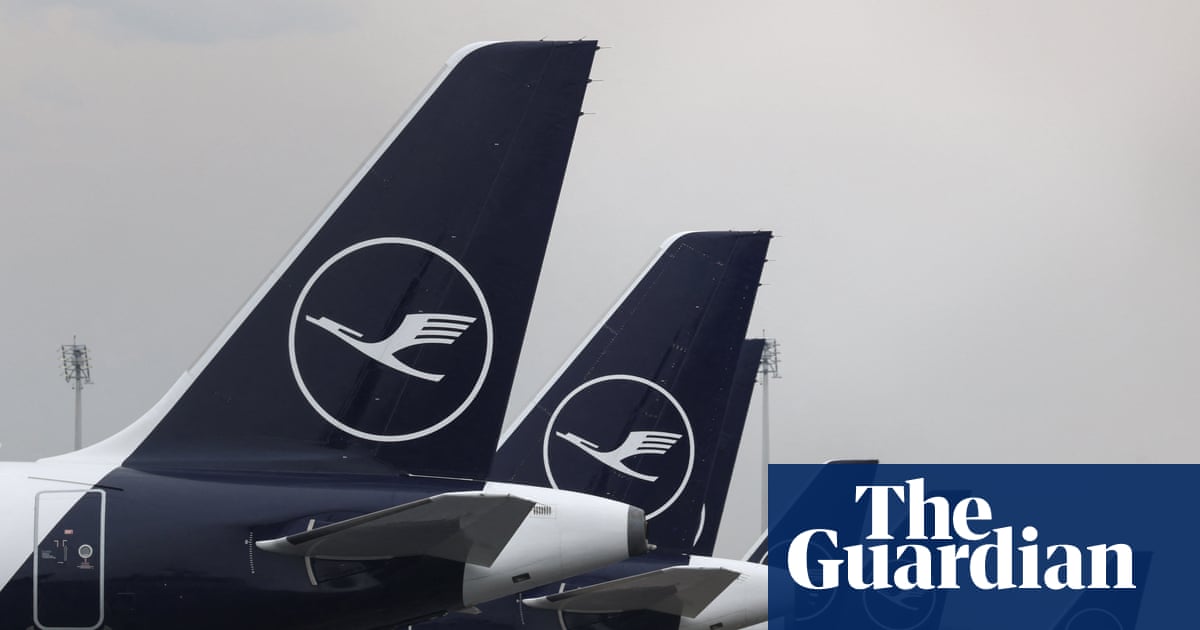
Airlines have cut about 2 million seats and 13,000 flights in May as jet fuel prices more than doubled amid the Middle East conflict and concerns over Hormuz supply disruptions. Lufthansa alone has cut 20,000 short-haul flights, while UK authorities are preparing contingency measures including relaxed slot rules and potential schedule consolidation to reduce summer disruption. The article signals a material near-term headwind for airline operations and fuel costs, though most UK carriers are still hedged and report no immediate shortages.
The immediate loser is not just airlines with the highest fuel exposure, but the carriers whose network model depends on tight aircraft utilization and high load factors. Once schedules are trimmed, the second-order hit is to ancillary revenue and loyalty economics: fewer frequencies reduce business-travel convenience, weaken pricing power on premium cabins, and can shift traffic to carriers with more diversified hubs and stronger fuel hedges. That makes the most vulnerable names the ones with the least ability to pass through cost or reoptimize capacity quickly, while slot-constrained hubs may temporarily look better than they really are because supply is being artificially rationed.
The more interesting market implication is that the UK is setting up a policy backstop that effectively socializes part of the operational risk. If fuel availability tightens, regulators are likely to permit consolidation before outright cancellations, which protects incumbents’ slot value but compresses passenger volume growth and can cap near-term revenue upside even if reported load factors stay healthy. For suppliers into aviation — airport operators, catering, MRO, and travel-payment processors — the risk is a softer summer traffic profile rather than a collapse, but the mix shift toward larger aircraft and consolidated routes can still pressure take rates and airport retail spend.
Goldman’s read on the UK inventory position suggests the tail risk is not price first, but forced allocation if import logistics get disrupted for several weeks. That creates a time asymmetry: near-term earnings estimates may look fine because of hedges, but the real vulnerability shows up in late summer and into autumn if fuel replenishment remains constrained and hedges roll off. The contrarian view is that the market may be overpricing an immediate demand shock; the more likely outcome is operational degradation and margin compression before any broad traffic collapse, which is more bearish for airline equity beta than for crude-linked assets.
For GS specifically, the read-through is via advisory and markets volatility, not direct industrial exposure: if this turns into a broader energy/logistics shock, financing, hedging, and restructuring activity can rise, but that is later-cycle optionality rather than a near-term catalyst. The cleaner trade is to focus on relative losers among European short-haul carriers versus beneficiaries in energy and defense-adjacent volatility. The key catalyst window is the next 2-6 weeks, when summer schedules are finalized and inventory data will confirm whether this is a temporary route shuffle or a genuine rationing event.
AI-powered research, real-time alerts, and portfolio analytics for institutional investors.
Request DemoOverall Sentiment
moderately negative
Sentiment Score
-0.35
Ticker Sentiment
