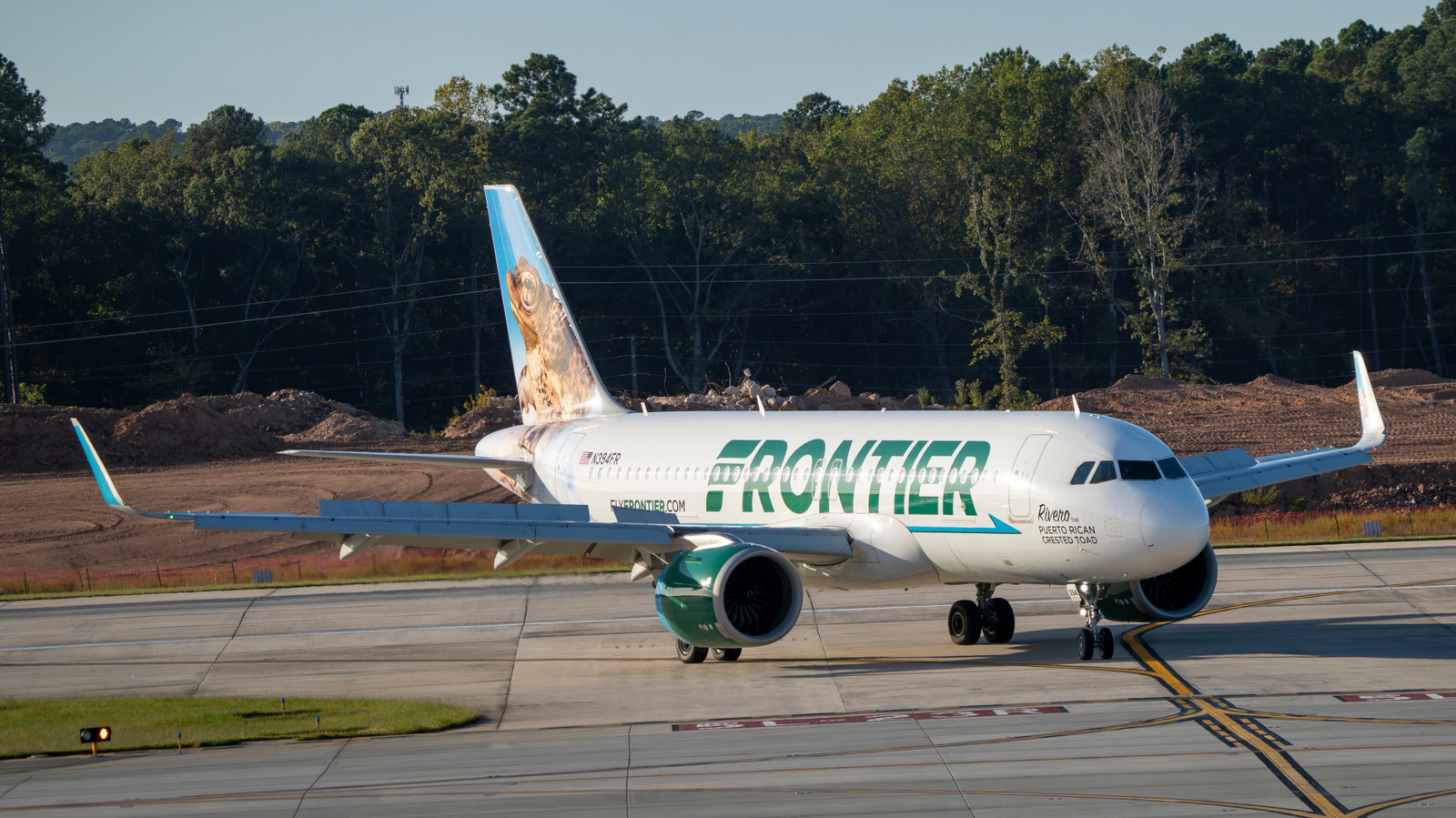
Frontier faced negative publicity after a passenger said an agent blamed her for not taking personal items during an emergency evacuation following a fatal runway strike in Denver. The article highlights service failures around rebooking, baggage retrieval, and emergency preparedness, including delayed access to an ID, infant supplies, and medication. While reputationally damaging for Frontier, the story is unlikely to have a material near-term market impact.
This is less about a one-off customer complaint and more about a latent liability cluster for ultra-low-cost carriers: operational mishaps, mishandled recovery, and bad-faith-feeling customer service compound into a multi-day brand hit. In ULCCs, where pricing power is already fragile, a small increase in perceived “trip failure risk” can shift marginal leisure demand toward legacy carriers or even drive substitution into drive markets on short-haul routes. The second-order issue is not the accident itself, but the post-event handling: that is where litigation exposure, refund costs, and churn risk become more durable.
For Frontier specifically, the near-term earnings impact is probably modest, but the right lens is unit economics under stress. These carriers depend on ancillary monetization and high utilization; anything that increases involuntary rebooking, call-center load, or waiver behavior reduces contribution margin on a per-seat basis. The bigger medium-term risk is that a high-profile incident creates a template for regulators and plaintiffs to argue that ULCC operating models are underinvested in emergency recovery procedures, which can force higher fixed-cost staffing and contingency inventory across the sector.
The market may be underpricing the reputational spillover to other ULCCs, not just ULCC. If consumers conclude that low fares come with poor post-incident support, Spirit/Frontier pressure legacy domestic short-haul competitors only if price remains the sole buying criterion; otherwise the whole discount segment loses share to “good enough” mainline offerings. Counterintuitively, this can also help airport-facing service providers and premium economy demand, as travelers assign a higher option value to reliability and customer support after even a small increase in perceived tail risk.
AI-powered research, real-time alerts, and portfolio analytics for institutional investors.
Request DemoOverall Sentiment
moderately negative
Sentiment Score
-0.45
Ticker Sentiment
